

How to Bypass a Fortnite HWID Ban in 2026 (Step-by-Step)
Complete step by step guide on how to bypass Fortnite HWID bans in a few minutes.
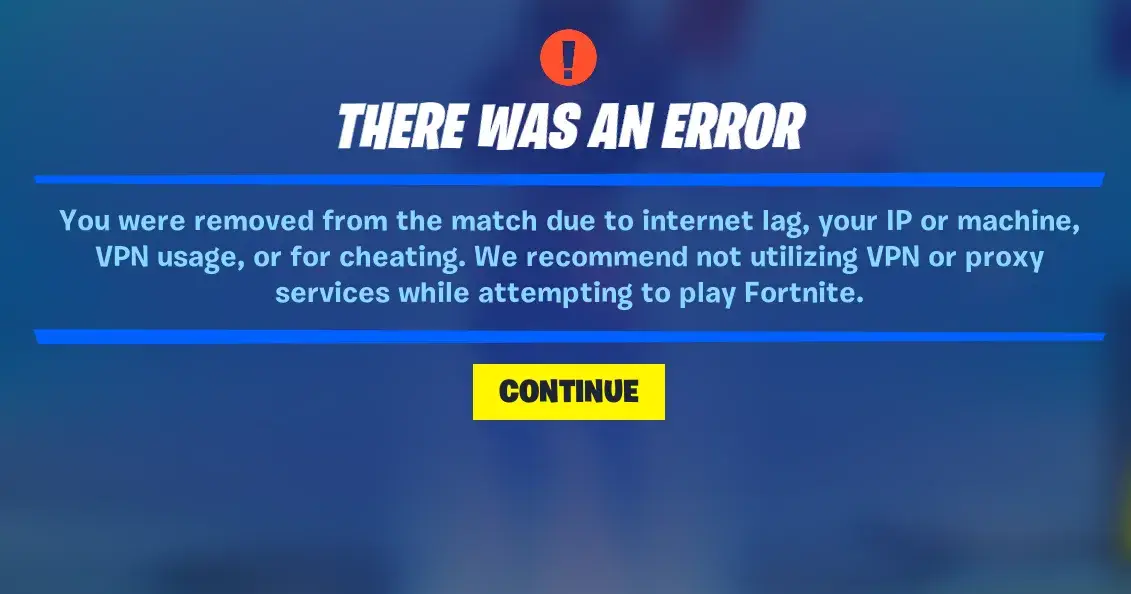
I still remember the exact moment it happened. I'd just finished a solid session, logged off, and the next morning I couldn't get into Fortnite — not on my account, not on a fresh one I made five minutes later. Nothing worked. That's when I realized I wasn't dealing with a regular account ban. This was an HWID ban, and a new email address wasn't going to fix it.
If you're reading this, you're probably in the same spot. And I want to be upfront: I've spent a lot of time in 2026 testing what actually works, what's a waste of money, and what'll get you banned again within 48 hours. Let me walk you through everything — the mechanics, the cleanup process, and the solution that got me back in the game.
If I can do it, so can you. Let's get into it.
⚡ Quick Pick: If you just want the answer — Saturn Spoofer is the safest way to bypass a Fortnite HWID ban in minutes.
What Is a Fortnite HWID Ban (And Why a New Account Won't Save You)
Here's what most people don't understand when they first get hit: a hardware ID ban isn't tied to your account. It's tied to your machine.
When Epic Games and Easy Anti-Cheat (EAC) flag your system, they don't just blacklist your username or email. They collect a fingerprint of your physical hardware — a unique combination of identifiers pulled from your PC's components. Every time you launch Fortnite after that, EAC scans your system, matches that fingerprint against its blacklist, and boots you before you even hit the lobby.
That's why creating a new account does absolutely nothing. Your PC is the problem, not your profile.
And yes — Fortnite HWID bans are permanent. They don't expire after 30 days or 6 months. If you don't change what EAC is reading, you're locked out indefinitely.
Here's something most guides skip: Fortnite actually runs two layers of anti-cheat. There's EAC (Easy Anti-Cheat), which handles a lot of the detection, and then there's UAC (Unreal Anti-Cheat) — Fortnite's own in-house system that operates independently. Both can contribute to an HWID ban, which is part of why single-method bypass attempts often fail. You're not just fighting one system.
Step-by-Step: How to Bypass a Fortnite HWID Ban Using Saturn Spoofer
After testing several options in 2026, the one that consistently works — and keeps working after EAC updates — is Saturn Spoofer. It handles all the hardware identifiers EAC checks, it's updated regularly, and the process is genuinely simple. We're talking four steps.
Here's what I got —
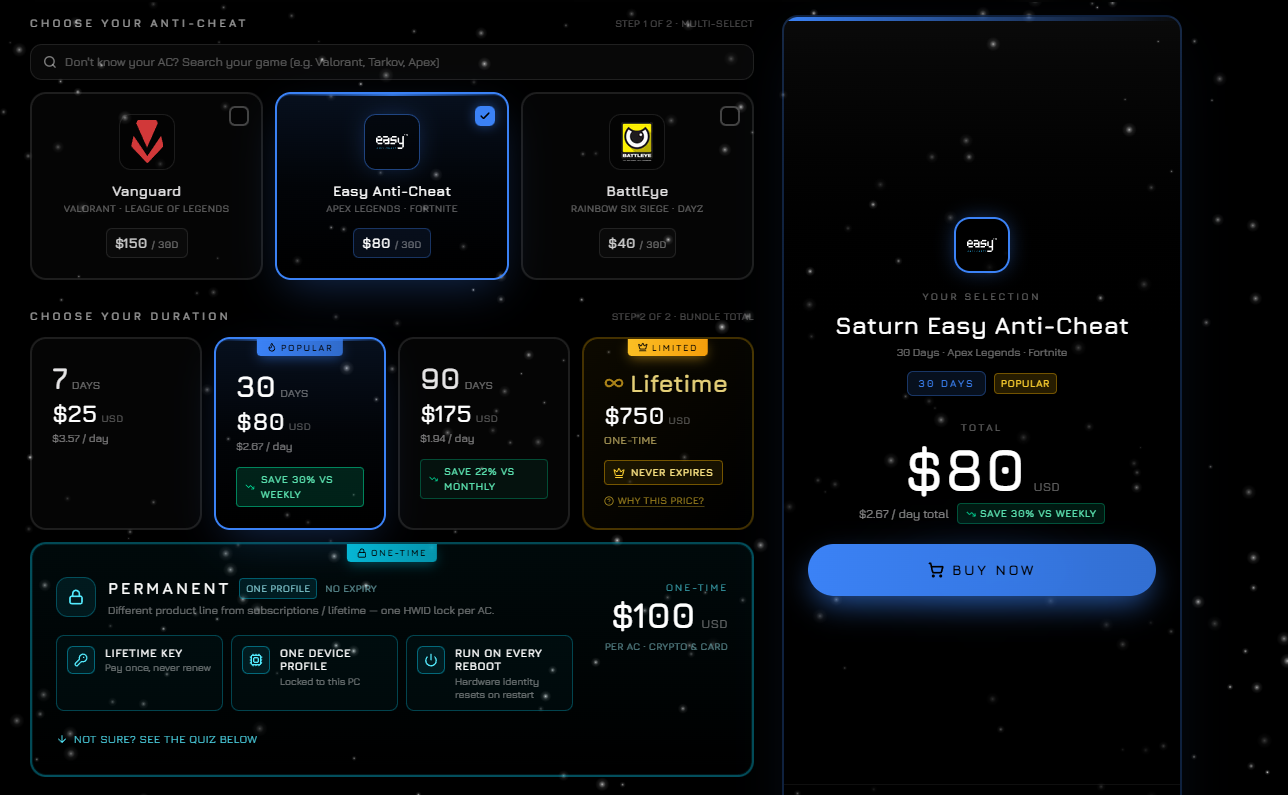
Step 1 — Get a license.
Head to the Saturn Spoofer site and grab a license. They offer different tiers depending on how long you need it. I'd recommend starting with a short-term license just to verify it works on your system before committing to longer access.
Step 2 — Download the loader.
After purchase, you'll get access to the download. The loader is the interface you'll use to run the spoof. Keep it somewhere easy to find — you'll be opening it before every session if you're on temporary mode.
Step 3 — Click spoof.
Open the loader, select your spoof mode (temporary or permanent), and hit the spoof button. The whole process takes under 60 seconds. Saturn handles the motherboard serial, disk identifiers, MAC address, and the other components EAC checks — all at once, through the correct kernel-level pathways. This is why it actually works where free tools don't.
Step 4 — Load into Fortnite.
Open the Epic Games Launcher, log into your new account (not your banned one — more on this below), and launch Fortnite. That's it.

The best part? You don't need to touch the registry, you don't need to reinstall Windows, and you don't need to physically swap out hardware. Saturn handles the heavy lifting.
Here's the catch: you do need to run it before every session if you're using temporary mode. It's a 60-second habit, but it's a habit. If you forget and launch Fortnite with your real hardware identifiers showing, you'll get flagged again.
What Hardware Identifiers Does EAC Actually Track?
This is where it gets technical — and this is also where most people go wrong when they try a DIY fix.
EAC doesn't just check one thing. It reads hardware identifiers through multiple redundant pathways, which means changing only your MAC address or only your disk volume ID won't cut it. Here's what's actually being tracked:
Motherboard serial number (SMBIOS) — one of the primary identifiers
HDD/SSD serial number — read at the firmware level, not just the volume ID
MAC address — your network adapter's hardware address
CPU ID — processor-level identifier
BIOS/UEFI data — system firmware identifiers
GPU identifiers — graphics card hardware data
Windows volume ID — but this is different from your actual disk serial (more on this below)

That last point is super important and almost nobody talks about it. Free tools like VolumeID only change the volume label — not the underlying hardware serial that EAC reads at the kernel level. So if you've tried one of those free tools and wondered why it didn't work, that's exactly why.
RAM, for what it's worth, is generally not tracked by EAC in a way that triggers re-bans. So if you're worried about reusing your RAM sticks on a new build — you're probably fine.
The Pre-Spoof Cleanup: Do This Before Anything Else
Before you run any spoofer, you need to clean your system. Skipping this step is one of the most common reasons people get re-banned within days of spoofing.
Here's what I do every time:
Step 1 — Uninstall Fortnite completely. Don't just delete the game folder. Go through the Epic Games Launcher, uninstall properly, then manually delete any leftover folders in C:\Program Files\Epic Games\ and C:\Users\[YourName]\AppData\Local\FortniteGame\.
Step 2 — Clean the registry. Open Registry Editor (regedit), and search for and delete any keys related to Fortnite, EpicGames, and EasyAntiCheat. Back up your registry before you touch anything — seriously, don't skip that.
Step 3 — Change your computer name. Go to Settings → System → About → Rename this PC. Pick something generic. This sounds minor but it's part of your system fingerprint.
Step 4 — Adjust Windows privacy settings. Go to Settings → Privacy & Security and turn off every diagnostic and telemetry option you can find. You want Windows sharing as little hardware data as possible.
Step 5 — Clear browser cookies and cached data. This one surprises people. Epic Games can link accounts through browser fingerprinting — cookies, cached login data, even your payment method. If you log into your new Epic account from the same browser profile with the same cookies sitting there, you're handing them a connection between your old banned account and your new one. Clear everything, or use a fresh browser profile entirely.
How HWID Spoofing Actually Works
A hardware ID spoofer is a tool that intercepts EAC's hardware read requests at the kernel level and feeds it falsified data. Instead of seeing your real motherboard serial, EAC sees a randomized value. Instead of your real MAC address, it sees a different one. From EAC's perspective, you're on a completely different machine.
There are two main spoofing modes you'll encounter:
Temporary spoofing changes your hardware identifiers only for the current session. Once you reboot, your real identifiers come back. It's faster to set up and lower risk, but you need to run the spoofer every single time before launching Fortnite.
Permanent spoofing writes new values to your hardware at a deeper level — SMBIOS edits, firmware-level changes. You don't need to re-run it every session. It's the more thorough option, but it requires a more capable tool and slightly more setup.
Honestly? For most people, temporary spoofing is the practical choice. You run it before you play, it takes about 60 seconds, and you're good.
Creating Your New Fortnite Account — Do It Right
This step matters more than people think. A lot of players spoof successfully and then immediately get re-banned because they made a sloppy new account.
Here's what to avoid:
Don't reuse your old email. Create a completely fresh email address — on a different provider if possible.
Don't reuse your payment method. Epic Games tracks payment fingerprints. If you buy V-Bucks or a Battle Pass with the same card that was on your banned account, you're flagging yourself. Use a different payment method or a gift card.
Don't link your old social accounts. If your banned account was connected to a PlayStation, Xbox, or Nintendo account, don't link those same accounts to your new one.
Wait before going competitive. I'd give it at least 48–72 hours of casual play before jumping into ranked or doing anything that might draw attention. Let the account age a little.
Temporary vs. Permanent Spoofing — Which Should You Choose?
I get this question a lot, so let me give you a straight answer.
Choose temporary spoofing if: you want the simplest setup, you don't mind running the spoofer before each session, and you want lower risk of any permanent system changes.
Choose permanent spoofing if: you want a set-it-and-forget-it solution, you play daily and the pre-session step gets annoying, or you want the most thorough SMBIOS-level changes that survive reboots.
Permanent spoofing is more powerful — but it requires a tool that actually handles firmware-level writes correctly. A bad permanent spoofer can cause system instability. Saturn handles this properly, which is why I trust it for permanent mode. But if you're uncertain, start with temporary. It's super effective for most use cases.
Why Free Spoofers Don't Work (And Can Make Things Worse)
I know it's tempting. There are free spoofers on GitHub and random Discord servers, and they look functional. I tried a few before settling on Saturn, and here's the honest breakdown of why they fail.
Free spoofers typically only hook one or two of the hardware read pathways that EAC uses. EAC reads disk serials through multiple methods — not just one. If a spoofer only intercepts one pathway, EAC just uses a different one and still reads your real serial. You think you're spoofed. You're not.
On top of that, free spoofers aren't updated when EAC patches. EAC updates frequently, and a spoofer that worked in January might be completely detectable by March. Paid tools like Saturn have teams actively maintaining compatibility.
And honestly? Some free spoofers are just malware. I'm not being dramatic — there are fake spoofers circulating that are designed to steal session tokens or install keyloggers. If you're going to bypass a Fortnite HWID ban, don't cut corners on the tool you use.
How to Verify Your Spoof Worked Before Launching Fortnite
This is something almost no guide covers, and it's super useful. Before you risk launching Fortnite and potentially triggering another ban, verify that your identifiers have actually changed.
Here's what I do:
Open Command Prompt and run:
``
wmic diskdrive get serialnumber
Run this before spoofing, note the serial, then run it again after spoofing. If the number changed, your disk serial spoof is working.
For your MAC address, run:
``
getmac /v
Compare before and after. If your adapter's MAC address changed, you're good on that front.
You can also use CPU-Z or GPU-Z to check component identifiers and verify they've shifted. It takes 2 minutes and gives you confidence that you're actually protected before you hit that launch button.
What If You Were Falsely HWID Banned?
Honestly? This is a real situation and nobody talks about it enough.
If you genuinely didn't cheat and you received an HWID ban — which does happen, especially if you were playing on a PC that someone else previously used — you have one legitimate route: Epic Games support.
Go to help.epicgames.com, submit a ban appeal, and be specific. Mention that you believe the ban is a hardware-level false positive, provide your account details, and describe your situation clearly. Don't be aggressive or accusatory — support agents are more likely to review appeals that are calm and factual.
Here's the catch: Epic's appeal process is slow and the success rate for HWID ban reversals is genuinely low. I'm not going to lie to you about that. If you're innocent and you've already submitted an appeal and been denied, the spoofer route is realistically your only path back to playing.
Tips to Avoid Getting Re-Banned
You've done the cleanup, you've spoofed, you've made a clean account. Here's how to keep it that way:
Don't cheat again. Obviously. But also — avoid any third-party software that touches game memory while Fortnite is running.
Run the spoofer before every session if you're on temporary mode. Build the habit.
Don't link your new account to any old accounts — social, gaming platform, payment method.
Use a fresh browser profile when logging into Epic Games, at least for the first few weeks.
Don't tell your friends you got banned and came back. I know that sounds paranoid, but mass reports from players who recognize your playstyle are a real trigger for manual review.
FAQ
Is a Fortnite HWID ban permanent?
Yes. Fortnite HWID bans don't expire. Unlike account bans that sometimes have a duration, hardware bans are indefinite. EAC maintains a blacklist of hardware fingerprints, and your machine stays on it until you change what EAC is reading — which is exactly what a spoofer does.
Does reinstalling Windows bypass a Fortnite HWID ban?
No — and this surprises a lot of people. Reinstalling Windows changes your Windows volume ID, but it doesn't change your motherboard serial, your HDD firmware serial, your MAC address, or your CPU ID. EAC reads those at the hardware level, not the OS level. A fresh Windows install alone won't get you back in.
Will spoofing affect my FPS or game performance?
No. A properly built spoofer like Saturn operates at the driver/kernel level and doesn't interfere with game rendering or CPU performance. Your FPS in Fortnite should be completely unaffected. I've played hundreds of hours post-spoof and noticed zero performance difference.
Can I use my old banned account after spoofing?
Don't. Even if EAC no longer flags your hardware, your account itself is still banned. Logging into a banned account will get you kicked immediately. You need a fresh Epic Games account — new email, new payment method, no linked old accounts.
Does HWID spoofing work on Windows 11?
Yes. Saturn supports both Windows 10 and Windows 11. The spoofing methods work across both versions, including the kernel-level hooks that handle SMBIOS and disk serial changes.
What about Valorant — does spoofing work there too?
Fortnite uses EAC. Valorant uses Vanguard, which is a significantly different and more aggressive anti-cheat system. A spoofer that works for Fortnite won't necessarily work for Valorant without specific Vanguard compatibility. Always check whether your spoofer explicitly supports the game you're trying to play.
Is RAM included in an HWID ban?
Generally, no. EAC doesn't track RAM in a way that contributes meaningfully to the hardware fingerprint used for bans. If you're building a new PC and worried about reusing RAM from a banned machine, you're almost certainly fine. Focus your concern on the motherboard, storage, GPU, and network adapter.
What's the difference between a VolumeID changer and a real disk serial spoofer?
A VolumeID changer only modifies the Windows-visible volume label — the surface-level identifier that Windows shows you. EAC reads the actual disk firmware serial through direct hardware calls, bypassing the volume label entirely. This is why free VolumeID tools don't work against EAC. A real disk serial spoofer intercepts those hardware-level calls and substitutes falsified data — which is what Saturn does.
The Bottom Line
Getting hit with a Fortnite HWID ban feels like a wall you can't climb. But once you understand what's actually happening — EAC building a hardware fingerprint and blacklisting it — the solution becomes clear.
The path to bypass a Fortnite HWID ban in 2026 is: clean your system properly, use a reliable spoofer like Saturn that handles all the identifiers EAC checks, create a genuinely fresh account, and play smart going forward. Don't skip the cleanup steps. Don't use free spoofers. Don't log back into your old account.
The whole process — from cleanup to being back in a match — takes maybe 30 minutes if you follow the steps above. Saturn's workflow especially is about as simple as it gets: get a license, download, click spoof, load into Fortnite.
I've been back playing for months without a single issue. If I can do it, so can you.

Join Yassir on Peerlist!
Join amazing folks like Yassir and thousands of other builders on Peerlist.
0
0
0