

Grafyx
14
Codebase to graph. Complete Local. Under 1 second.
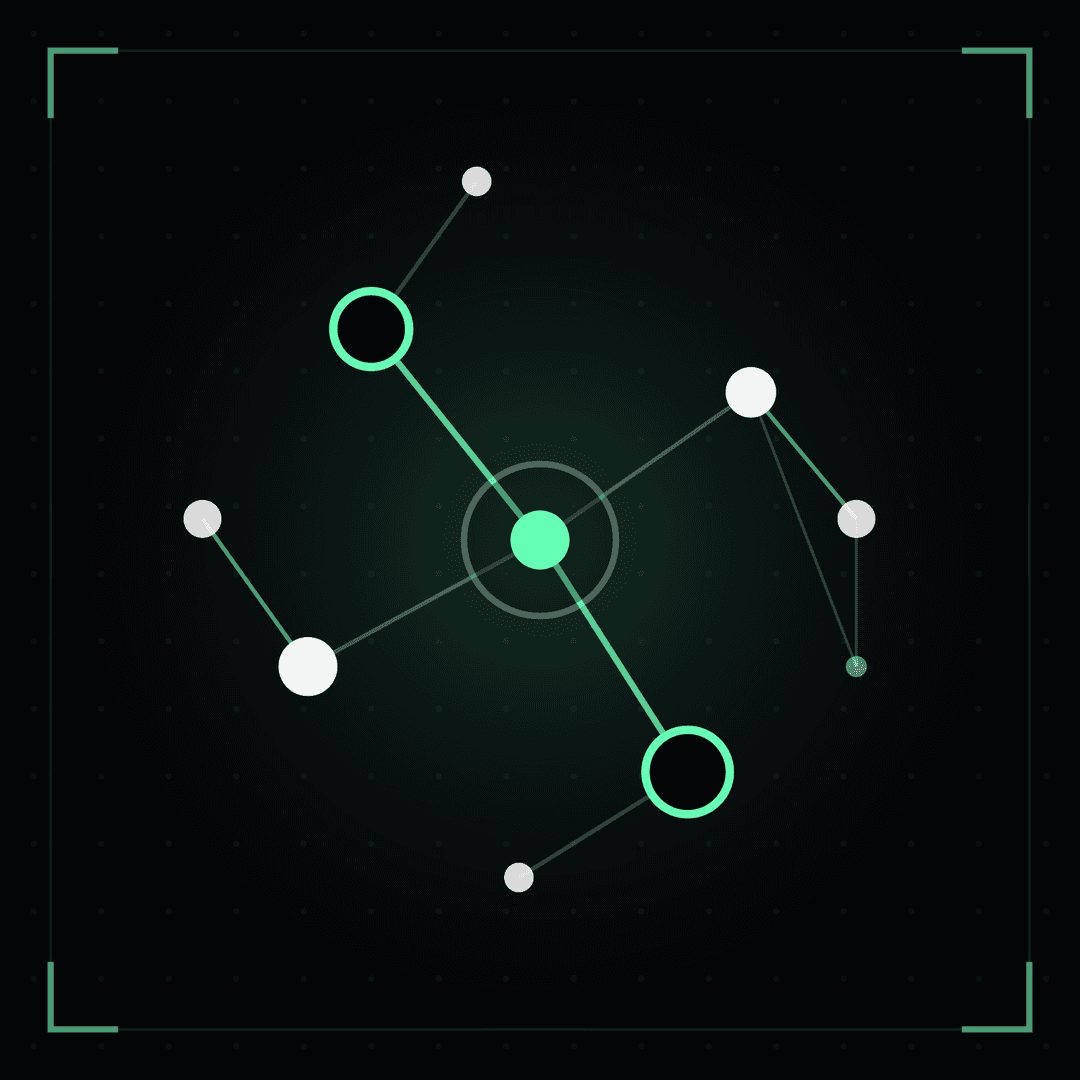
Grafyx is a high-performance, CLI-driven code knowledge graph tool designed to map and visualize the complex relationships within modern codebases. By parsing directory structures and service interactions, Grafyx generates an interactive 2D/3D force-directed graph that helps developers understand dependency chains, structural bottlenecks, and project architecture at a glance.
Developed with Rust for safety and speed, and D3.js for fluid frontend interactions, Grafyx bridges the gap between static analysis and intuitive visual exploration.
Optimised Support for: Python, Go, Rust, Js/ts with frameworks.
⸻ ⟡ Core Analysis
▹ Deep Recursive Scanning – Maps complex directory structures and service interactions with sub-millisecond precision
▹ Automated Service Discovery – Detects monorepos and microservice boundaries without manual configuration
▹ Local-First Execution – Processes entirely on-device ensuring zero cloud dependencies and absolute privacy
⸻ ⟡ Visualization & Physics
▹ Fluid "Hot" Physics – Offers liquid-smooth visual adjustments to node repulsion and gravity without re-rendering
▹ Interactive Node Graphs – Explores dependency chains and bottlenecks via a highly responsive D3.js frontend
▹ Semantic Highlighting – Fixed dark mode with color-scaled nodes and edges distinguishing services from structural hierarchy
⸻ ⟡ Architecture & Performance
▹ Universal Native Performance – Ships as highly optimized, pre-compiled static binaries for Apple Silicon, Windows, and Linux
▹ Zero-Friction Lifecycle – Features built-in, system-aware commands for seamless self-installation and automated updates
▹ Decoupled Architecture – Separates heavy static analysis from the frontend to guarantee silky-smooth UI frame rates
⸻ ⟡ Data & Storage
▹ Dual-Pipeline Storage – Exports structural data to both human-readable JSON and high-performance SQLite simultaneously
Built with

