

Building Software in Oman: What the Local Tech Scene Actually Looks Like in 2026
Vision 2040 is pulling real investment into Oman's tech sector. Here is what the local software ecosystem actually looks like for developers and founders building here in 2026.
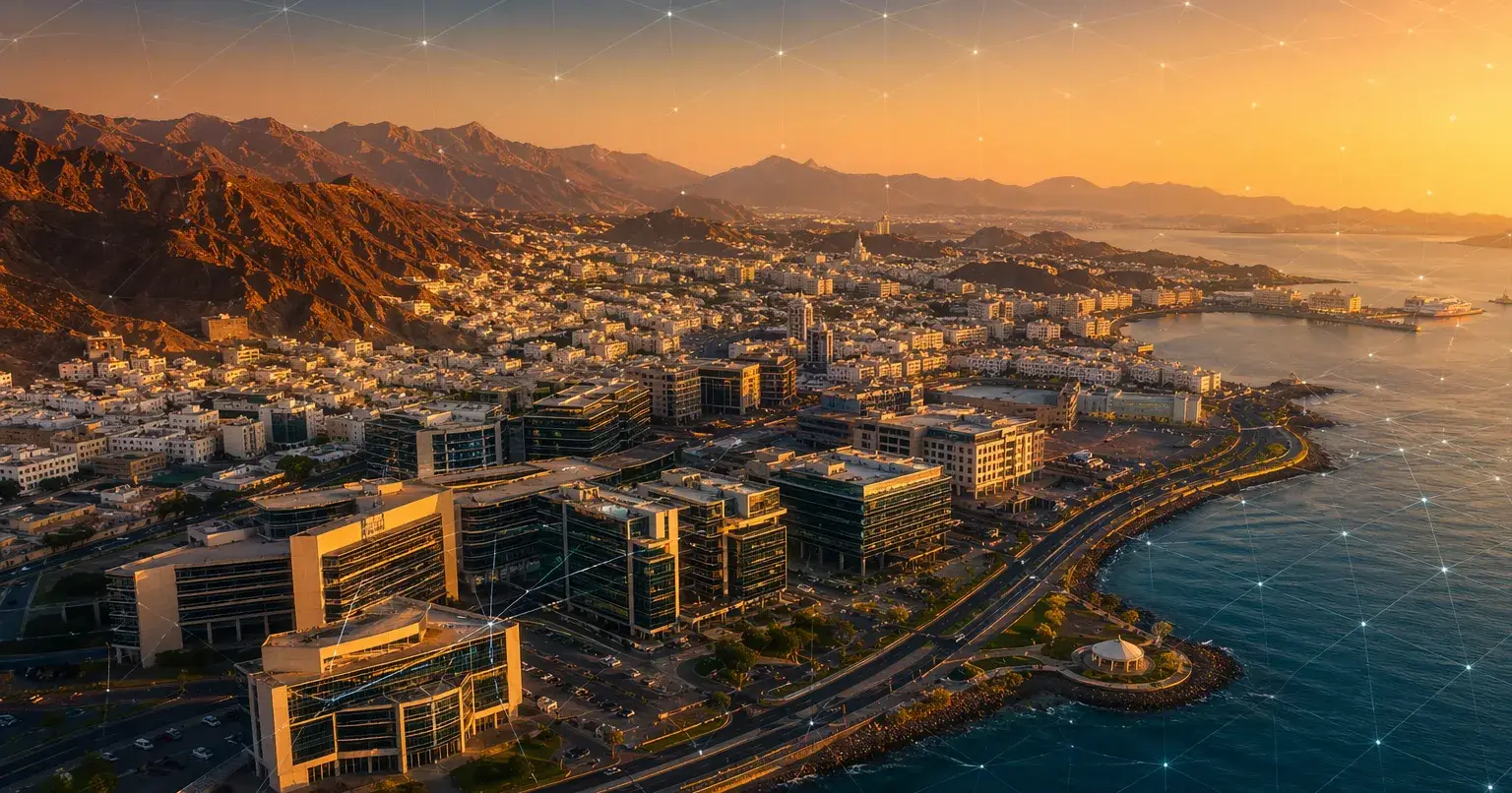
Most coverage of the Middle East tech scene focuses on Dubai or Riyadh. Oman rarely makes the list. That is partly because the companies building here are not trying to make the list. They are trying to ship.
Here is an honest look at what Oman's software ecosystem actually looks like in 2026, from someone working inside it.
The Context: Vision 2040 Is Real Investment, Not Just a Tagline
Oman's government committed to a knowledge-driven economy through Vision 2040 years ago and has been consistent about it. The digital transformation market is projected to grow from US$2.72 billion in 2025 to US$4.65 billion by 2030. Software has the largest market share of that pie.
For developers and founders, that means government contracts are moving, enterprise clients are budgeting for digital transformation, and SMEs are finally asking for software that fits how they actually operate. The demand is real and growing. If you want to understand how Vision 2040 is directly shaping software demand in Oman, Masirat put together a solid breakdown here: masirat.com/oman-vision-2040-driving-software-innovation
The Companies Doing Interesting Work
A few that are worth knowing:
Masirat Technology is a Muscat-based company that does something not many agencies attempt: it builds and operates its own software products while running a services business. Their pharmacy management system, Pharmasolo, runs in pharmacies across Oman and handles inventory, expiry tracking, billing, and multi-branch operations. Building a real product while also doing client work keeps the engineering team sharp in a different way than pure agency work does. They also cover web development, app development, SEO, and e-commerce.
CodeStack focuses on custom ERP systems for Oman's industrial and commercial sectors. Oil and gas, engineering firms, retail, and hospitality. Their argument is that modular, purpose-built ERPs outperform generic implementations when businesses have specific compliance and reporting workflows. It is a credible argument for the Omani market, where sector-specific needs are often underserved by regional off-the-shelf products.
Foxcode takes the UX-first approach to software and has expanded into the UAE and Qatar. Their work sits at the intersection of product design and engineering, which is a positioning that resonates with clients who have been burned by functional-but-ugly enterprise software before.
Kalima Tech is the most technically interesting startup in the ecosystem right now. They are building bilingual AI bots, Arabic and English, fine-tuned on organisational data. This is genuinely hard to do well. Arabic NLP at a business-context level, where terminology, formality registers, and domain knowledge all matter, is a different problem than building an English chatbot. They are targeting the oil and gas and government sectors first.
On the enterprise end, Bahwan CyberTek and Infocomm Group have been operating in the region for over fifteen years and serve banking, government, and logistics with ERP, AI analytics, and cloud infrastructure. They are the proof points that serious, long-term software businesses can be built here.
The Real Challenges (No Sugarcoating)
Talent retention is hard. The salary gap between Muscat and Dubai is real, and good engineers know it. Remote work has helped some companies hold onto people, but it has also made the competition for talent global rather than just regional.
Most SMEs are still in the "do we really need software?" phase. Selling custom software to a business owner who has been running on WhatsApp and Excel for ten years requires education before it requires engineering. Founders building in this market need patience and strong account management skills, not just technical depth.
The international competition is aggressive on SEO and underpowered on delivery. Companies from India and elsewhere are ranking for Oman keywords without having local presence, client references, or actual knowledge of how Omani businesses operate. That creates noise for buyers and means local companies have to work harder to be found, even when they are the obviously better choice.
What Makes Building Here Worth It
The opportunity to be genuinely early in a market that has real government backing, real enterprise spend, and a private sector that is just starting to modernise is not something you find in saturated markets.
Local companies that build with depth, real products, real Omani case studies, and real after-sales support have a compounding advantage that an international agency with a landing page cannot build overnight. That is a defensible position if you execute consistently.
The developers and founders building software in Oman in 2026 are laying foundations that will matter for a long time. It is unglamorous work. But the markets that matter rarely get built during the glamorous phase.
If you are building something in Oman or the GCC and want to compare notes, feel free to connect.

Join Adil on Peerlist!
Join amazing folks like Adil and thousands of other builders on Peerlist.
1
15
2