

From Physics to Software: My Path to Launching a Dev Tool
Finally, I was able to launch an open-source tool to self-host any project
After a decade of experimentation, learning, and collaboration, the journey has culminated in this moment: my product, dFlow.sh, is now live on Peerlist, with a Product Hunt launch on the horizon. This is the story of how a nagging curiosity evolved into an open-source platform.
checkout dFlow and support us via an Upvote, or add comment to provide your valuable feeback: https://peerlist.io/akhilnaidu/project/dflow
The Spark of Curiosity
My story begins in 2014. As an engineering physics student from IIT Guwahati, one of India's most prestigious technology institutes, I had a startling realization. Despite being surrounded by brilliant minds, I discovered that a fundamental awareness of cybersecurity and modern technologies was alarmingly absent. To test this, I uploaded a simple phishing page to our college's Facebook group and watched as I gained access to numerous accounts. Had repercussions for the following too, a childish attempt.
This was an era when Hostinger was still 000webhost, Vercel was known as Zeit, Heroku was the undisputed king of PaaS, and Kali Linux was the definitive tool for cybersecurity. That single experiment sent me down a rabbit hole.
From Hacker to Builder
I dove headfirst into the world of hacking, becoming a "script kiddie" obsessed with tools like Nmap, Wireshark, Metasploit, MSFVenom and the Social-Engineer Toolkit. I spent my days on Hack The Box and VulnHub, learning everything from network scanning to remote code execution. To truly understand how to hack systems, I needed to build my own vulnerable targets. This led me to platforms like VulnHub, where I learned to host sandboxed WordPress instances and other PHP websites to practice Capture The Flag (CTF) challenges.
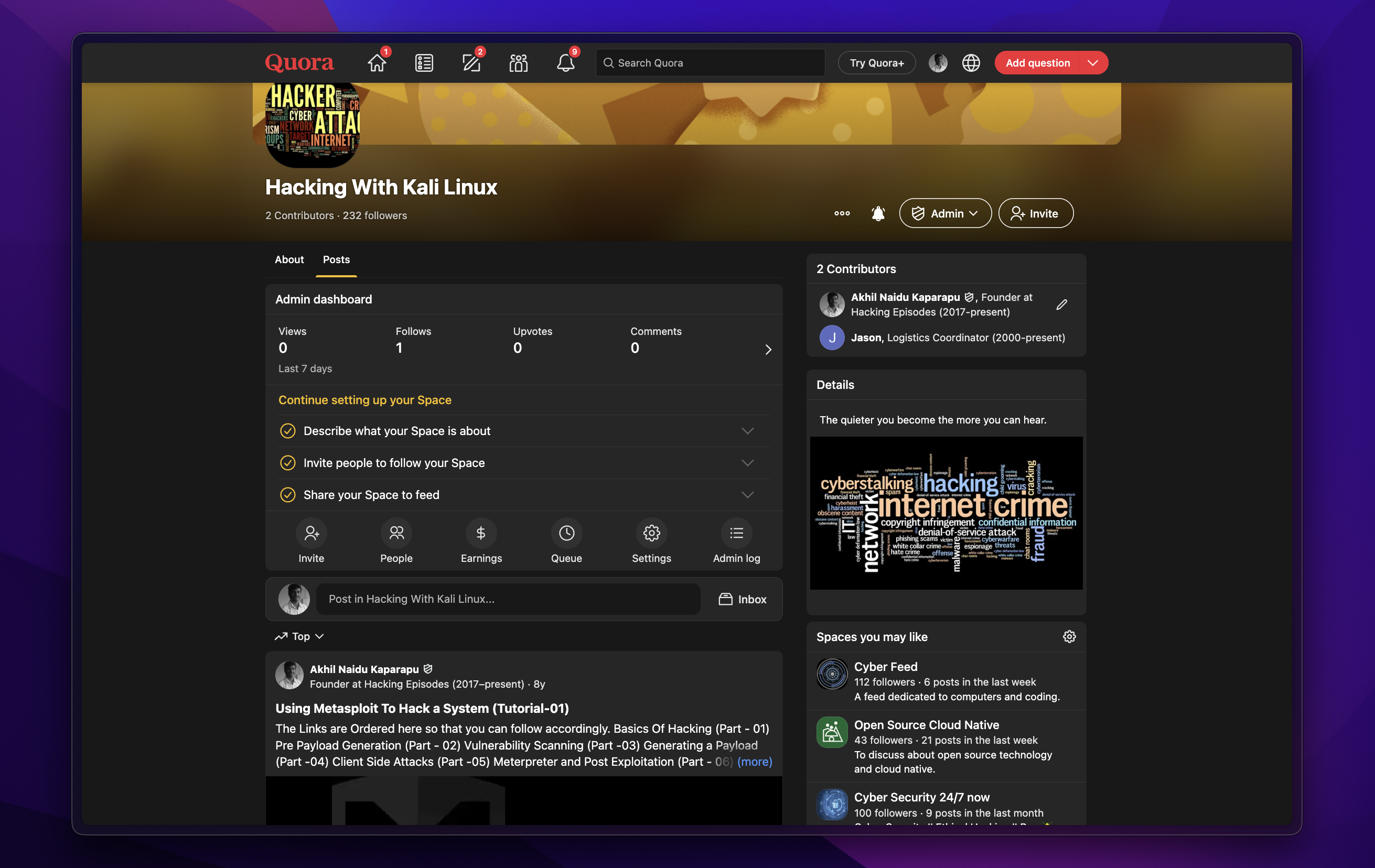
Even started a quora blog: https://hackingwithkalilinux.quora.com/
Ironically, learning how to break things taught me how to build them securely. My focus shifted from exploitation to deployment. I became fascinated with virtualization, self-hosting, and the power of cloud platforms like DigitalOcean. The world of VPS, Docker, and cloud credits became my new playground.
The Self-Hosting Obsession
My path took a pivotal turn with the rise of the JAMstack. I was blown away by the speed of these new static websites, the instant page loads felt like magic. I explored services like GitHub Pages, Zeit (now Vercel), and Netlify for hosting frontend projects. Yet, my deep-seated curiosity for self-hosting on my own VPS was an itch I still had to scratch.
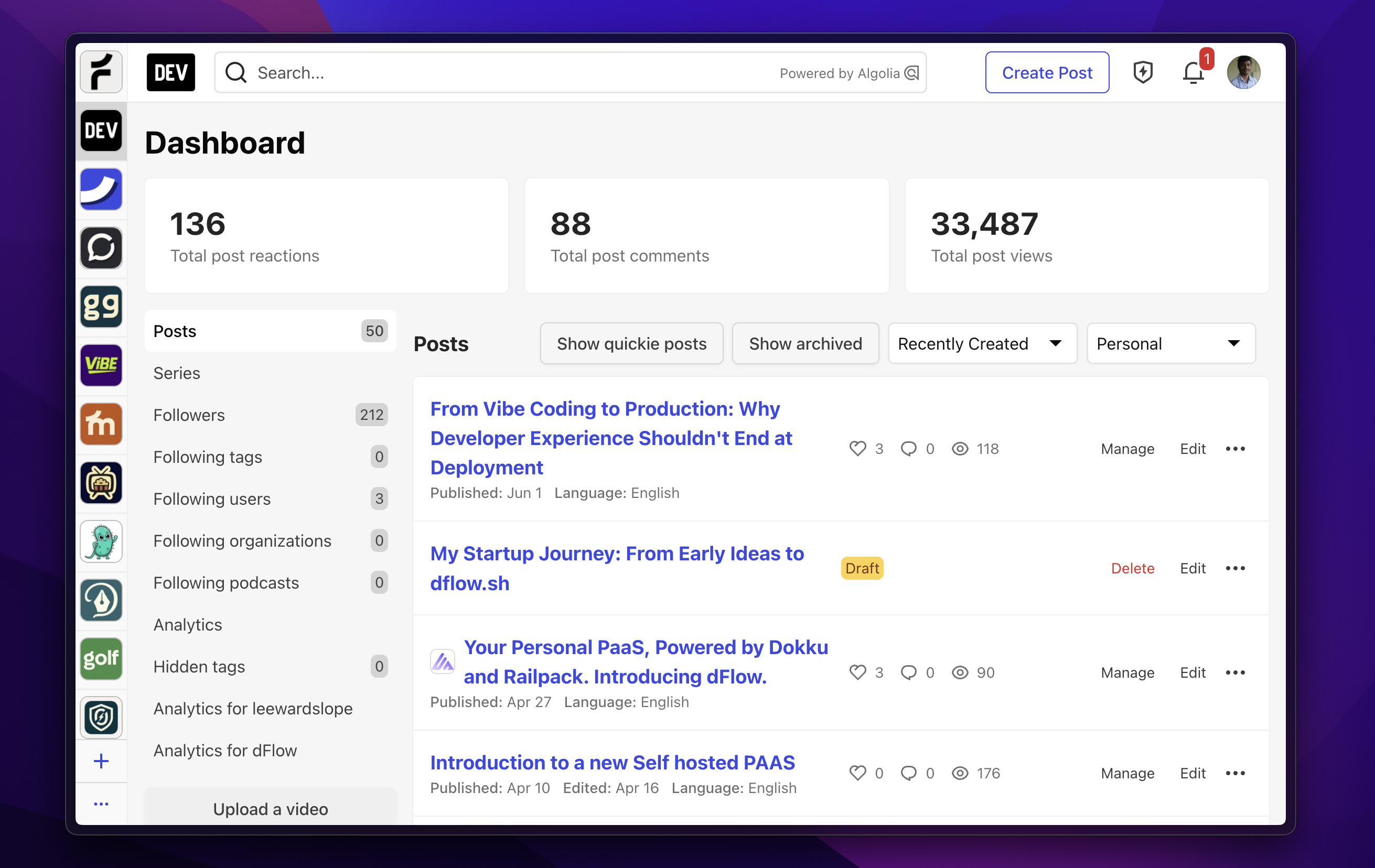
My passion for writing, tuned from cyber-security to selfhosting. Started my own blog: https://blog.leewardslope.com/.
During this time, I began learning JavaScript and React, and even started publishing blogs on a self-hosted Ghost instance running on a DigitalOcean droplet. However, after a payment failure wiped out all my data, I realized that self-hosting shouldn’t just be about deploying applications; it needs to include an entire suite of tools for management, monitoring, and reliability.
This is when I discovered Dokku, a powerful open-source PaaS. I immersed myself in it, eventually mastering its intricacies. To streamline my own workflow, I created a CLI tool called t2d, which used shell scripts to automate the installation of common software like Ghost and Forem with a single command. Still, the dream of creating a polished, user-friendly frontend for Dokku, something akin to the Vercel or Heroku experience, remained just out of reach.
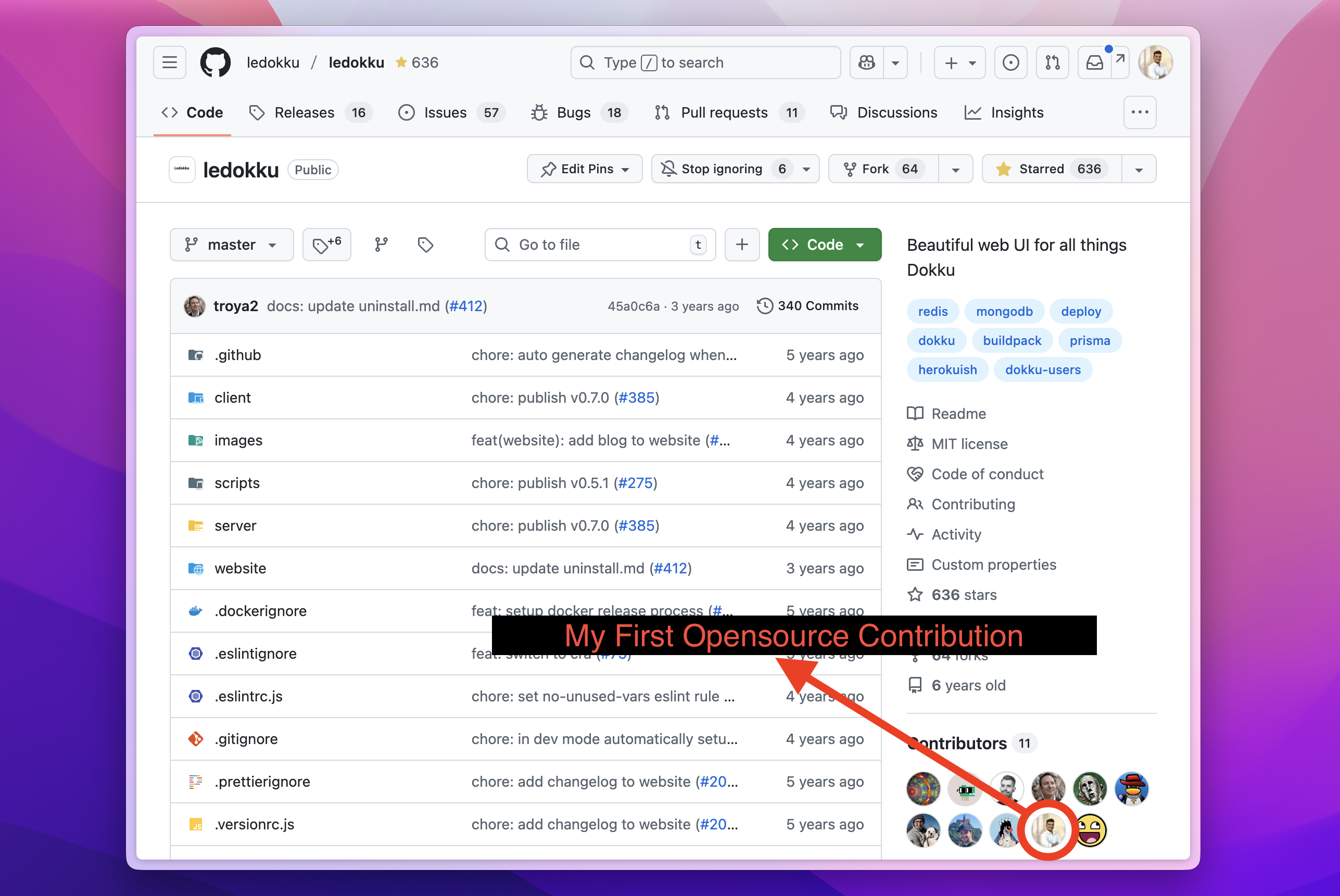
This sparked me to good community connections, and I was able to contribute to an open-source project called ledokku.
A Dream Realized
To bridge that gap, I began a new journey into frontend development, learning React and modern component libraries. This new skill set landed me my first job, and from there, my career accelerated. I progressed from developer to feature lead, then team lead, and eventually project head. I even collaborated with venture capitalists to build a product called ContentQL. Now, as CTO, I finally have the chance to bring my age-old idea to life.
Today, that idea is dFlow, a 100% open-source tool from day one. dFlow allows you to connect your own VPS and manage it without ever needing to share SSH keys or perform complex installations. It uses a secure VPN connection, powered by Tailscale, with a powerful admin panel built on PayloadCMS. In the background, dFlow leverages the robustness of Dokku to handle application hosting, backups, routing, multi-tenancy, and RBAC.
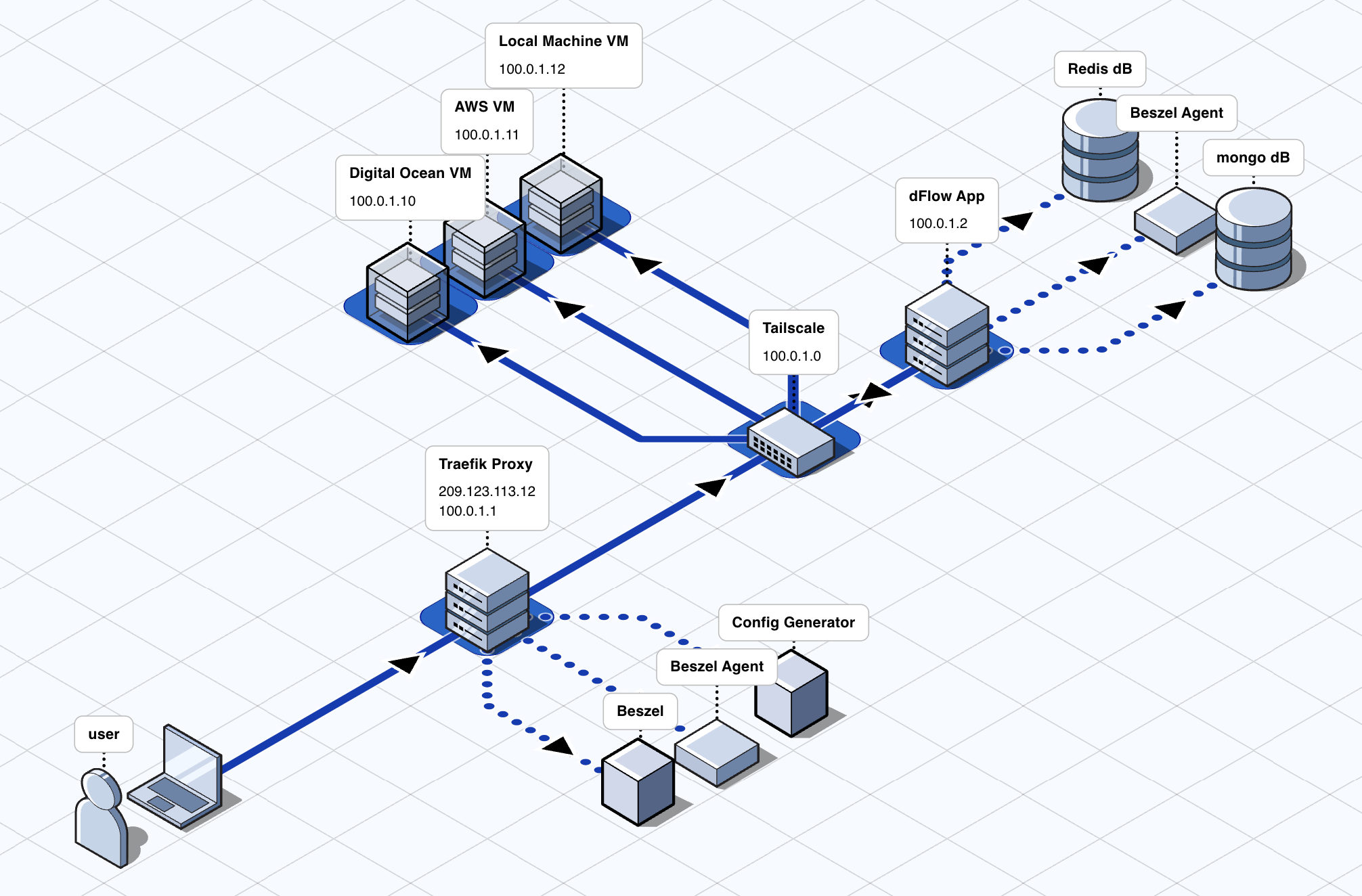
This platform stands on the shoulders of giants like Dokku, Tailscale, BullMQ, and Traefik. But building the tool was only half the story. The journey that started with discovering a knowledge gap has now come full circle. We are now creating a whole new set of modern video tutorials and comprehensive documentation dedicated to self-hosting with best practices. Our mission is to demystify the complexities of the cloud and empower a new generation of builders.
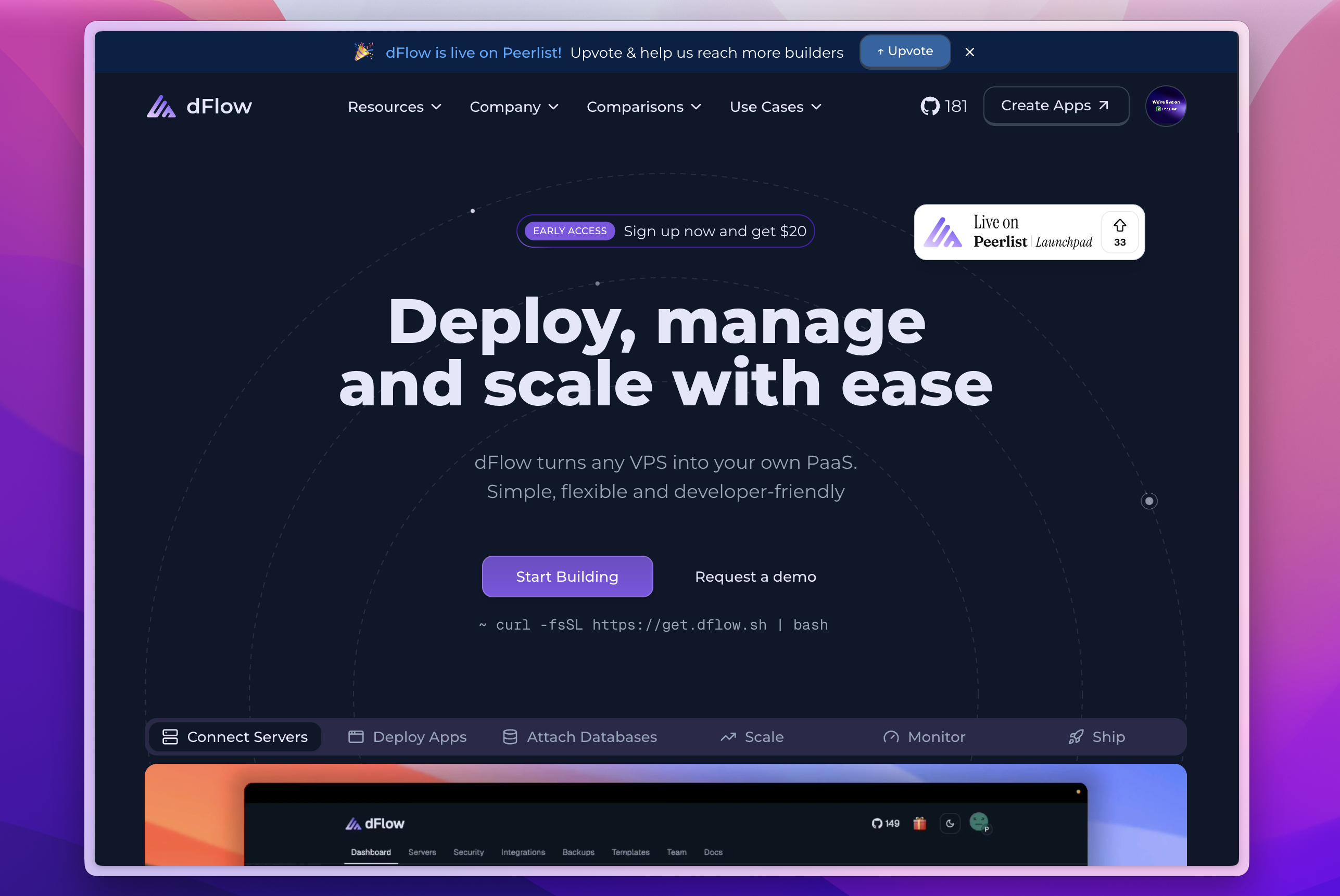
As a lifelong self-hosting enthusiast, I'm building what I love, and I believe this community will love it too. So give dFlow a try, explore our learning resources, and let me know what we can do to improve. Let's make a blast and create a product—and a body of knowledge that suits all our needs.

Join Akhil on Peerlist!
Join amazing folks like Akhil and thousands of other builders on Peerlist.
2
10
0