

Transactions in web3
After reading this article you will understand how web3 transactions occur in depth .
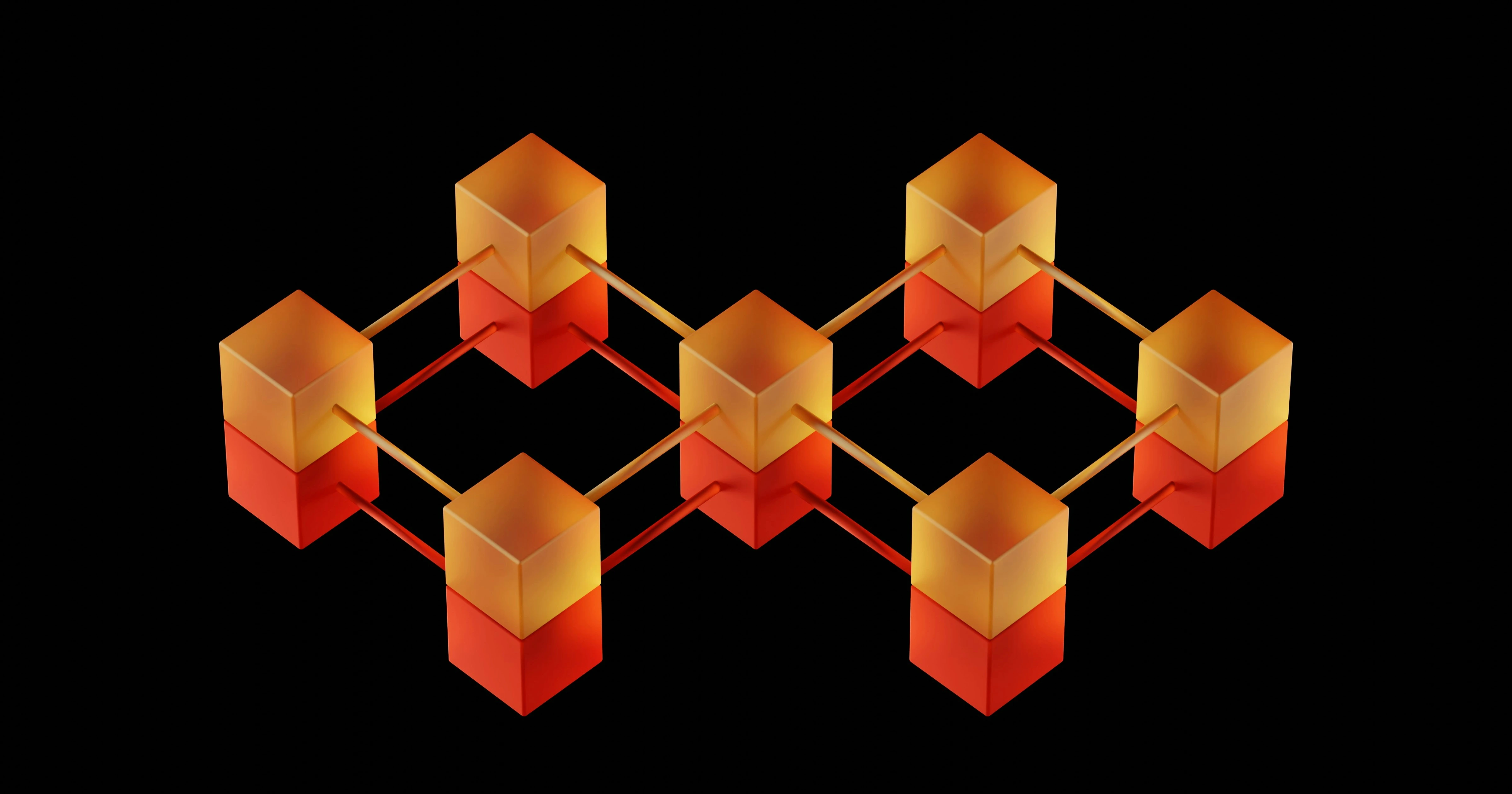
Web3 is a vast space , and its primary focus is decentralization , now how does this decentralization take place. What I mean to say is , how do we achieve decentralization in the first place ? And won't it be too chaotic ? How will we tackle the chaos and what objectives do we fulfill with decentralization in the first place ? Let's understand all these questions one by one
How do we achieve decentralization ?
So in Web3 , we basically make transactions , like we do in daily life , but all the transactions are stored in blocks . Let's say you made a transaction , then your neighbor made a transaction and then somebody else did , all of these transactions are stored in a block on the blockchain. These transactions contain public key of both sender and payer , and the payer's private keys are used to sign the transaction. That does not mean payer's keys are on the block , NO , the payer just signs the transaction for credibility.
Then if the block is full , or after a certain time , the block is sent off in the blockchain. Also the block contains , the hash of the previous block to it. And this is how we achieve decentralization.
Why is decentralization not chaotic ?
It is not chaotic because of very strong systems that rule it , few of them are:
As previously mentioned , each block contains hash of its previous block , so it is all like a chain in itself , and in order to change one block , you will have to change all the previous blocks to it , which is frankly very hard.
Chains like bitcoin only accept the longest chain , and this in itself is called as proof of work, the longest chains gets accepted , and other forks or orphan chains gets discarded.
Proof of history , this is like a clock , a crypto-graphical clock , that stores all timestamps in very discrete manner. It stores all the events occurred in past , and because no central authority controls it , then again very hard to tamper with.
Leader Rotation , chains like solana have primary nodes for some time , and then after certain period it rotates the leader , just to prevent centralization.
These were some ways chains prevent chaos , and make Web3 more systematic.
Now as we know a lot about web3 , let's dive deep into how a single transaction occurs and then we wrap it up.
So what is a transaction ? One person pays another , public keys of both are stored ,payer signs the transaction with payer's private key , and it is sent into a block. Simple ?
Ok now let's make a transaction but in a little depth.
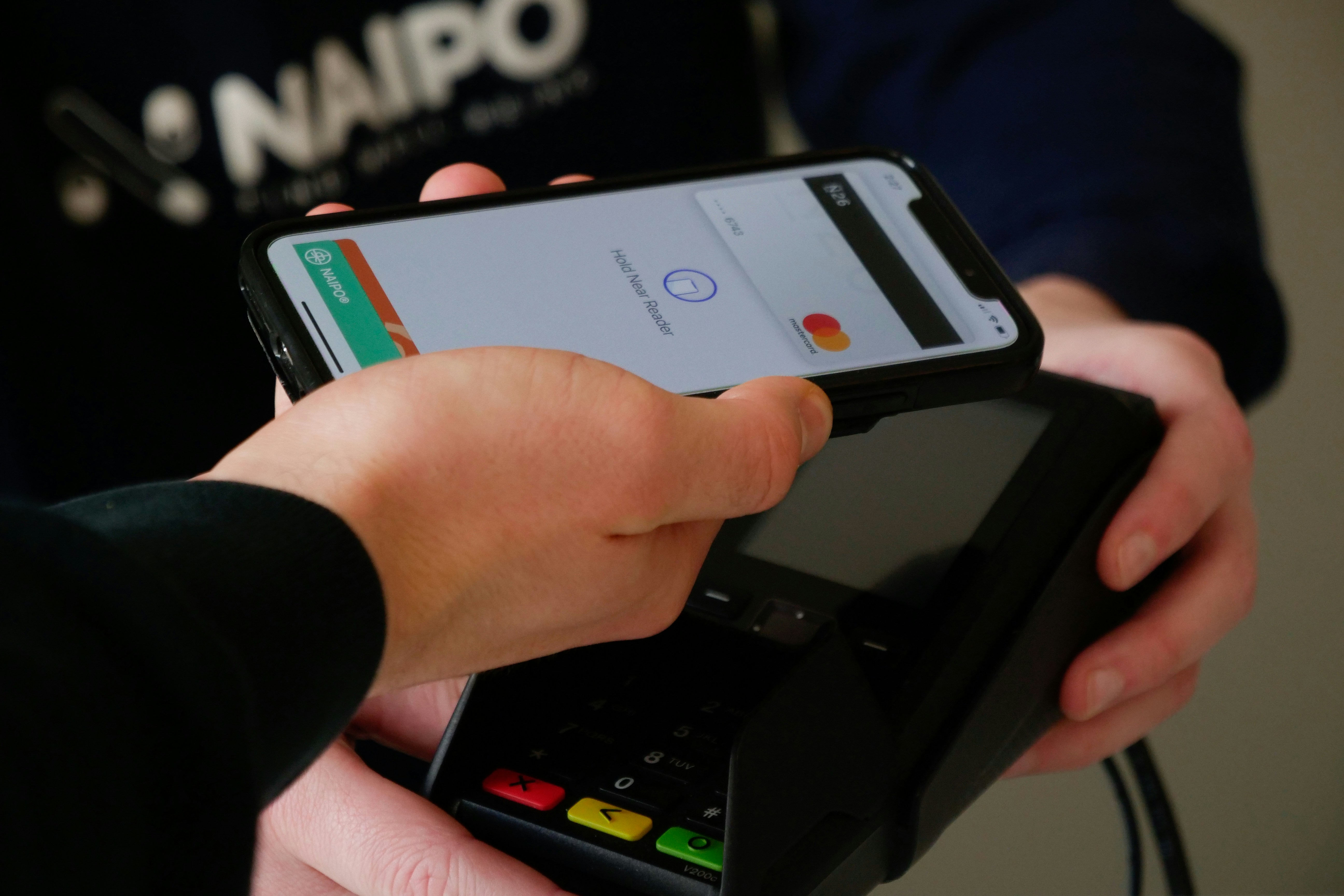
A transaction on user's side is as simple as the above , or atleast to some degree , but under the hood or behind the cloak a lot happens , so let's check it out together.
Initialization , the payer initializes a transaction and with a few key details like receiver's address , what chain , how much to send , how much is the payer ready to pay to send the money (yes you've to pay "gas" fees or service charge in easy words to prioritize your transaction) , and then payer signs these details using their private key for authenticity .
Once initialization is done , it is sent to people who are running blockchain software on their computer , and is then sent to a mempool , basically a waiting area where the transactions can rest until the block is completed.
These computers running the blockchain software also check if the format of the information sent is correct or not , should it be allowed to go through the chain , or not ?
Miners then create blocks and add your transaction into it , prioritising the transactions with higher gas fees , and filling up the block.
Once the block is created , it is sent into the chain , and is stored up there for eternity
I hope you all liked the article , thankyou for reading it this far
credits for images to unsplash(.)com
Join Ashish on Peerlist!
Join amazing folks like Ashish and thousands of other builders on Peerlist.
0
8
0