

Micro Drama App Development Cost & Features - $18000
Core Features Required in a Micro Drama App
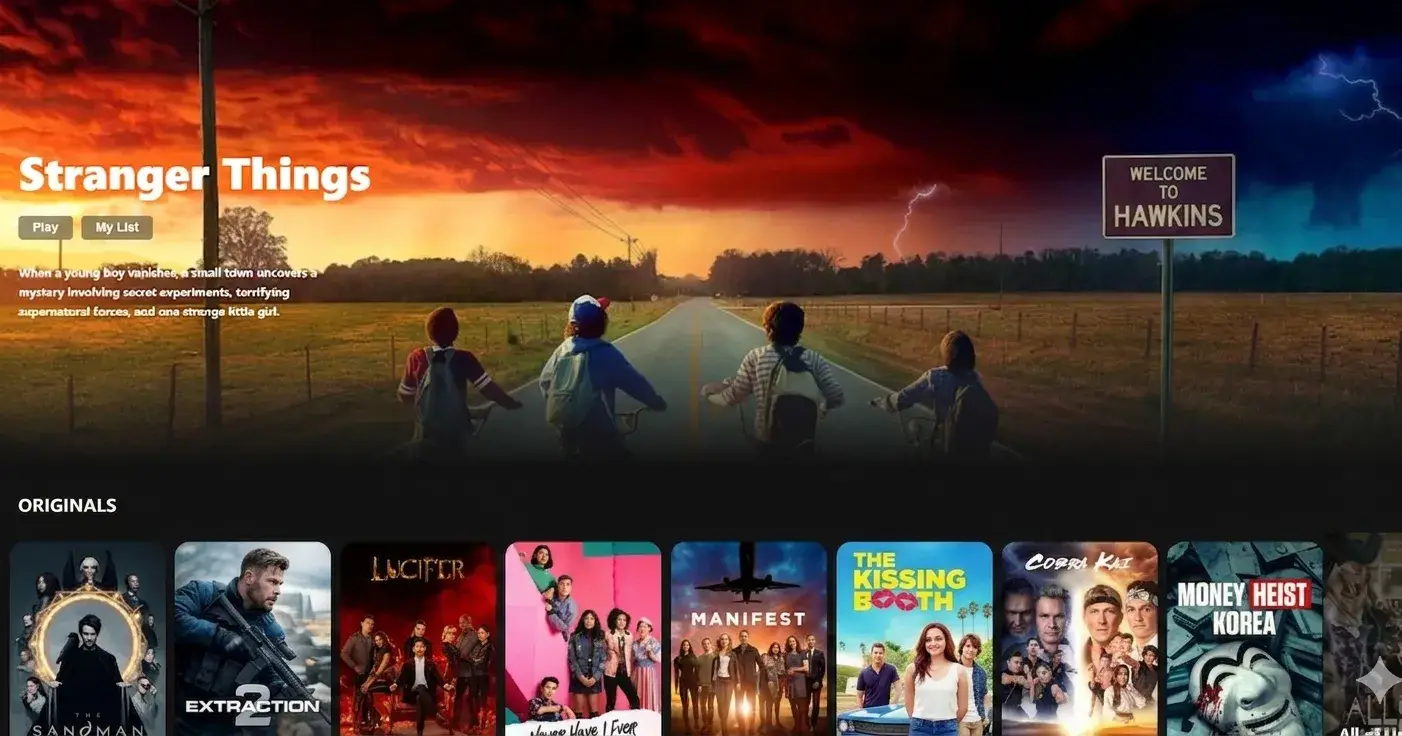
The Rise of Micro Drama Apps
Short-form entertainment is no longer limited to social media platforms. Apps like DramaBox, ReelShort, and K-Drama-focused storytelling platforms have created an entirely new entertainment category. Users now consume 1–3 minute drama episodes in the same way they scroll short videos on social media.
At Triple Minds, we have already developed a complete Micro Drama App solution inspired by platforms like DramaBox and ReelShort. The platform includes mobile apps, admin dashboard, streaming infrastructure, monetization modules, and creator management systems. Currently, we offer the ready-made solution for around 18,000 USD including 3 months of technical support.
The popularity of vertical drama platforms is increasing because users now prefer:
Fast entertainment during breaks
Mobile-friendly content
Storytelling designed for short attention spans
Binge-worthy episodic formats
Subscription-based entertainment at low cost
Many startups are now launching niche micro drama platforms focused on:
Romantic stories
CEO-billionaire dramas
K-Drama inspired series
Regional language stories
Horror micro-series
Interactive storytelling
This market is becoming attractive for both media startups and existing OTT businesses because production costs are much lower compared to traditional web series.
The cost of developing a Micro Drama App similar to DramaBox or ReelShort usually depends on features, streaming infrastructure, monetization systems, and scalability requirements. A basic MVP with short video streaming, subscriptions, and admin management can start from around 12,000 USD to 25,000 USD, while a fully scalable OTT-grade platform with AI recommendations, multilingual support, creator management, advanced analytics, and CDN optimization can easily cross 50,000 USD to 150,000 USD. The overall budget also increases based on cloud streaming costs, video storage, and ongoing content delivery infrastructure. Many startups now prefer ready-made or white-label solutions because they reduce both development time and initial investment significantly.
Core Features Required in a Micro Drama App
A micro drama app requires much more than basic video streaming. The platform needs strong user retention systems, monetization features, content management tools, and scalable video delivery.
The most important feature is vertical full-screen streaming optimized for mobile devices. Users should be able to swipe between episodes smoothly without loading delays. Platforms like ReelShort have made this experience highly addictive because users can instantly continue watching short episodes without friction.
Another major feature is the episode unlocking system. Most successful micro drama apps use:
Coin-based unlocking
Rewarded ads
Subscription plans
Limited free episodes
VIP memberships
This creates recurring revenue while keeping the entry barrier low for users.
User engagement features also play a critical role. Continue watching, personalized recommendations, watch history, and push notifications significantly improve retention rates. Many platforms also integrate AI subtitle generation and multilingual support to expand globally without heavy localization costs.
On the admin side, the platform should include:
Drama upload management
Season and episode management
Banner controls
User analytics
Revenue dashboard
Ad configuration
Subscription management
Creator management
Content moderation
Advanced platforms may additionally include:
AI dubbing support
Interactive stories
Creator revenue sharing
Referral systems
Watch party functionality
Community features
Live streaming
The stronger the retention system, the higher the lifetime value of users.
Technology Stack & Development Architecture
Building a micro drama app is heavily dependent on streaming infrastructure. The actual challenge is not simply creating a mobile app — it is handling high-quality video delivery at scale without buffering or server overload.
Most modern micro drama platforms use React Native or Flutter for mobile app development because cross-platform development reduces overall cost and speeds up deployment. Backend systems are commonly developed using Node.js because it handles real-time streaming operations efficiently.
For cloud infrastructure, AWS remains one of the most preferred solutions due to its scalable media services and CDN capabilities. Most serious OTT startups rely on:
AWS S3 for video storage
CloudFront CDN for fast delivery
MediaConvert for encoding
HLS streaming for adaptive playback
This setup helps reduce buffering while supporting multiple video qualities depending on the user’s internet speed.
The admin dashboard is usually developed using Next.js or React-based frameworks because content teams need fast and responsive management panels.
Payment integration is another important component. Most platforms support:
Apple Pay
Google Pay
Stripe
Subscription billing
In-app purchases
Analytics systems are equally important because retention determines profitability. Platforms typically track:
Episode completion rate
Watch time
Drop-off points
Subscription conversion
Revenue per user
Daily active users
For scaling globally, CDN optimization becomes extremely important. A micro drama app with 100,000 active users can consume massive streaming bandwidth every month. That is why video compression, adaptive streaming, and caching systems directly impact operating costs and user experience.
Micro Drama App Development Cost Breakdown
The development cost of a micro drama app depends on the business model, feature complexity, streaming infrastructure, and scalability requirements. A simple MVP can cost significantly less, while a production-ready OTT platform with monetization and AI features requires a much larger investment.
If you are planning a startup-level launch, the cost usually starts with:
Mobile application development
Admin dashboard
Video streaming setup
Subscription integration
Basic analytics
Cloud infrastructure
A basic MVP version generally takes around 2–3 months to develop. However, platforms targeting international users usually invest more in:
Multi-language support
CDN optimization
AI subtitles
Payment gateways
High-performance infrastructure
Recommendation engines
The overall budget can increase rapidly once user traffic grows because streaming infrastructure becomes a recurring expense.
Typical cost distribution usually looks like this:
UI/UX Design
Mobile App Development
Backend Development
Admin Panel
Video Infrastructure
Testing & QA
Deployment
Cloud & CDN Setup
Apps that include advanced AI personalization, creator marketplaces, or interactive storytelling generally require additional development resources.
For businesses wanting faster market entry, ready-made or white-label solutions reduce both time and cost significantly. Instead of spending 6–12 months building from scratch, companies can customize an existing platform and launch much faster.
The biggest hidden cost in OTT-style applications is usually server bandwidth and video storage. Many startups underestimate how expensive large-scale video delivery becomes after user growth starts.
That is why early architecture planning is extremely important.
Revenue Models Used by Successful Micro Drama Platforms
Micro drama apps generate revenue through multiple monetization models simultaneously. The strongest platforms combine subscriptions, ads, and virtual currency systems together instead of depending on a single source.
The most common monetization strategy is episode unlocking. Users can watch a few episodes for free, but premium episodes require:
Coins
Subscriptions
Ad watching
VIP memberships
This model works well because short episodes create curiosity and binge-watching behavior.
Subscription plans are another major revenue source. Many apps offer:
Weekly subscriptions
Monthly plans
Premium memberships
Ad-free viewing
Early access to episodes
Some platforms also use reward-based monetization where users watch ads to unlock episodes. This approach helps monetize users who are unwilling to pay initially.
Additional revenue opportunities include:
Creator partnerships
Product placements
Sponsored dramas
Affiliate promotions
Merchandise integration
Live streaming gifts
Fan subscriptions
Several platforms also experiment with AI-generated story recommendations to increase engagement and improve conversion rates.
The real profitability of micro drama apps depends heavily on user retention. If users return daily and continue consuming episodes, lifetime value increases significantly.
That is why successful platforms focus aggressively on:
Cliffhanger endings
Smart recommendations
Daily notifications
Fast episode loading
Personalized feeds
The business model is designed around binge consumption psychology.
Key Challenges in Building a Micro Drama Platform
Although the market opportunity is large, building a successful micro drama platform comes with multiple technical and business challenges.
One of the biggest problems is content acquisition. Unlike traditional apps, OTT-style platforms require continuous content publishing. If users finish watching all available dramas quickly, retention drops immediately.
Another major challenge is streaming optimization. Poor video delivery creates buffering issues that directly hurt watch time and subscription conversions.
Scaling infrastructure also becomes expensive as the user base grows. Startups often underestimate:
CDN costs
Video encoding expenses
Storage requirements
Streaming bandwidth
Regional server optimization
Copyright management is another important concern. Since drama content is highly valuable, platforms require:
DRM protection
Watermarking
Secure streaming
Download protection
Content moderation systems
User acquisition is equally competitive because the entertainment market is crowded. Most successful platforms invest heavily in:
Influencer marketing
TikTok-style ads
Instagram reels
YouTube shorts
Referral campaigns
Retention mechanics also require continuous optimization. Simply uploading videos is not enough anymore. Modern platforms use recommendation systems similar to short video apps to increase engagement.
Another challenge is app store compliance. Platforms with mature-themed dramas or aggressive monetization models must carefully follow:
Apple App Store guidelines
Google Play policies
Regional content regulations
Payment compliance rules
Without proper planning, approval delays can slow down the entire launch process.
Micro drama apps are no longer experimental entertainment products. They are becoming a serious digital media business model with strong monetization opportunities.
The combination of:
Short-form storytelling
Mobile-first consumption
Subscription revenue
Rewarded engagement
AI-powered personalization
makes this industry highly attractive for startups, media companies, and OTT businesses.
However, success depends heavily on:
Content quality
Streaming performance
User retention systems
Monetization strategy
Continuous content publishing
Many startups fail because they focus only on app development while ignoring content scalability and retention psychology.
For businesses planning to enter this market, launching with a scalable architecture and proven user experience becomes extremely important from day one.
At Triple Minds, we have already developed a complete micro drama app ecosystem inspired by modern vertical OTT platforms. The solution includes mobile apps, admin dashboard, monetization systems, streaming setup, and scalable backend architecture for businesses looking to launch quickly in this growing market.
Join Ashish on Peerlist!
Join amazing folks like Ashish and thousands of other builders on Peerlist.
0
0
0