

People are saying 2025 is the year of AI agents, and honestly, they are right!!
AI is rapidly moving from passive text generators to active decision-makers.
To understand where things are headed, it’s important to trace the stages of this evolution.
1. 𝗟𝗟𝗠𝘀: 𝗧𝗵𝗲 𝗘𝗿𝗮 𝗼𝗳 𝗟𝗮𝗻𝗴𝘂𝗮𝗴𝗲 𝗙𝗹𝘂𝗲𝗻𝗰𝘆
Large Language Models (LLMs) like Gemini and GPT-4 excel at generating human-like text by predicting the next word in a sequence. They can produce coherent and contextually appropriate responses—but their capabilities end there. They don’t retain memory, they don’t take actions, and they don’t understand goals. They are reactive, not proactive.
2. 𝗥𝗔𝗚: 𝗧𝗵𝗲 𝗔𝗴𝗲 𝗼𝗳 𝗖𝗼𝗻𝘁𝗲𝘅𝘁-𝗔𝘄𝗮𝗿𝗲 𝗚𝗲𝗻𝗲𝗿𝗮𝘁𝗶𝗼𝗻
Retrieval-Augmented Generation (RAG) brought a major upgrade by integrating LLMs with external knowledge sources like vector databases or document stores. Now the model could retrieve relevant context and generate more accurate and personalized responses based on that information.This stage introduced the idea of 𝗱𝘆𝗻𝗮𝗺𝗶𝗰 𝗸𝗻𝗼𝘄𝗹𝗲𝗱𝗴𝗲 𝗮𝗰𝗰𝗲𝘀𝘀, but still required orchestration. The system didn’t plan or act—it responded with more relevance.
3. 𝗔𝗴𝗲𝗻𝘁𝗶𝗰 𝗔𝗜: 𝗧𝗼𝘄𝗮𝗿𝗱 𝗔𝘂𝘁𝗼𝗻𝗼𝗺𝗼𝘂𝘀 𝗜𝗻𝘁𝗲𝗹𝗹𝗶𝗴𝗲𝗻𝗰𝗲
Agentic AI is a fundamentally different paradigm. Here, systems are built to perceive, reason, and act toward goals—often without constant human prompting.
An Agentic system includes:
• 𝗠𝗲𝗺𝗼𝗿𝘆: to retain and recall information over time.
• 𝗣𝗹𝗮𝗻𝗻𝗶𝗻𝗴: to decide what actions to take and in what order.
• 𝗧𝗼𝗼𝗹 𝗨𝘀𝗲: to interact with APIs, databases, code, or software systems.
• 𝗔𝘂𝘁𝗼𝗻𝗼𝗺𝘆: to loop through perception, decision, and action—iteratively improving performance.
Agentic Workflow: An agentic workflow is a set of connected steps carried out by an agent or multiple agents to complete a task or goal. These workflows use key features of AI agents, such as reasoning, planning, tool use, and memory.
Instead of a single model generating content, we now orchestrate 𝗺𝘂𝗹𝘁𝗶𝗽𝗹𝗲 𝗮𝗴𝗲𝗻𝘁𝘀, each responsible for specific tasks, coordinated by a central controller or planner.
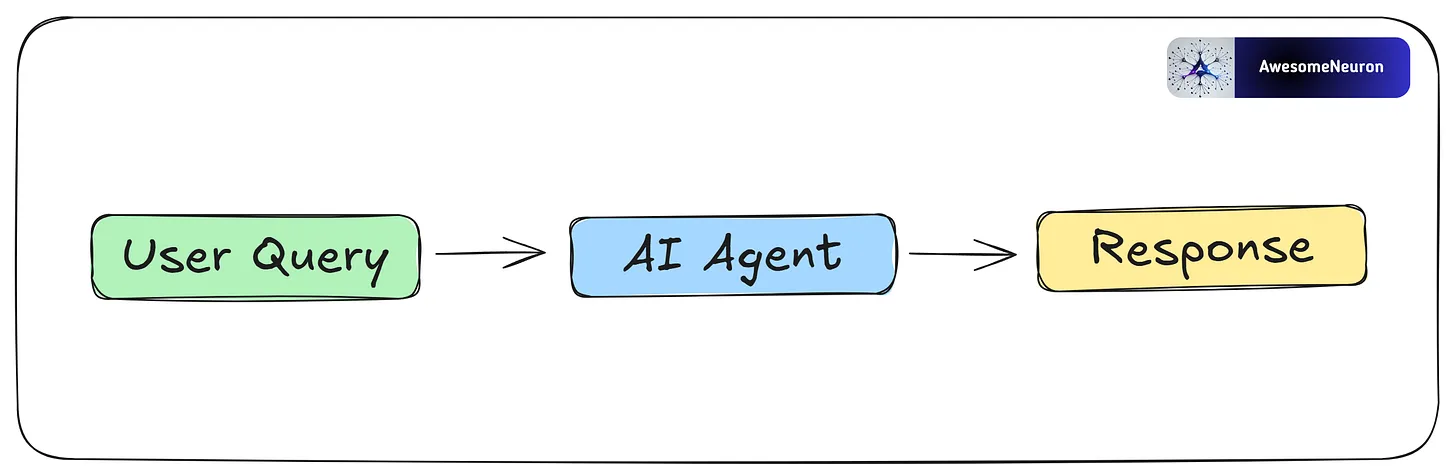
This evolution—LLM → RAG → Agentic AI—marks the transition from 𝗹𝗮𝗻𝗴𝘂𝗮𝗴𝗲 𝘂𝗻𝗱𝗲𝗿𝘀𝘁𝗮𝗻𝗱𝗶𝗻𝗴 to 𝗴𝗼𝗮𝗹-𝗱𝗿𝗶𝘃𝗲𝗻 𝗶𝗻𝘁𝗲𝗹𝗹𝗶𝗴𝗲𝗻𝗰𝗲.

Join Bharat on Peerlist!
Join amazing folks like Bharat and thousands of other builders on Peerlist.
3
12
0