

What Is SGE for SEO Explained: Benefits and Impact on Search Optimization
Search Generative Experience (SGE) is a new approach that integrates advanced AI-generated content directly into search engine results. SGE for SEO means optimizing your website and content to perform well alongside AI-generated summaries and answers displayed in search results. This shifts how search engines rank and present information, influencing traditional SEO practices.
The key difference with SGE is that search results no longer rely solely on links but also offer AI-driven insights based on a deeper understanding of user queries. This change means I must rethink content strategies to ensure my website remains visible and authoritative in this evolving landscape.
Adapting to SGE requires a focus on creating clear, relevant, and high-quality content that AI systems can easily analyze and highlight. Technical SEO and understanding how AI interprets content will become more critical than ever for maintaining search performance.
Key Takeways
I need to adapt my content to align with AI-generated search results.
Understanding how AI shapes search results helps refine SEO strategies.
Technical readiness is essential to succeed with SGE in SEO.
Understanding SGE in the Context of SEO
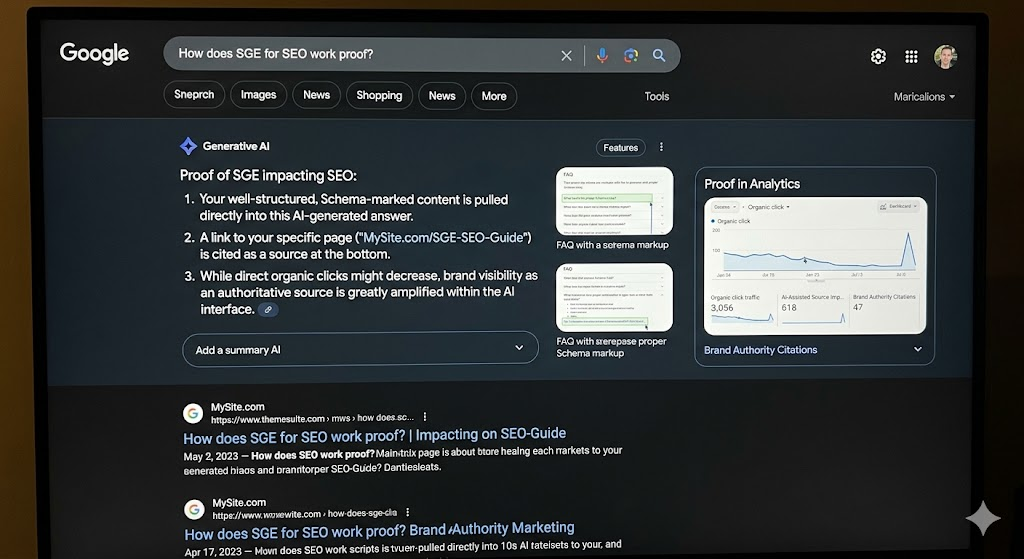
SGE changes how search results are generated and displayed. It moves beyond traditional keyword matching to more dynamic, AI-driven content creation. This shift impacts how websites rank and engage with users.
Definition of SGE
SGE stands for Search Generative Experience. It uses advanced AI models to generate search results by understanding user intent deeply. Instead of a list of links, SGE provides summarized, context-rich responses.
The technology combines natural language processing and real-time data analysis. This means search results can be more conversational and tailored. For SEO, it means that optimizing for AI-generated snippets and intent-based queries is crucial.
Evolution of Search Generative Experience
Search evolved from static indexes to predictive algorithms over two decades. SGE builds on these advances by integrating generative AI capable of producing human-like text. This marks a transition from retrieval to creation.
Early search engines ranked pages with keywords and backlinks. Modern SGE models factor in user context, behavior, and semantics. This makes results more relevant but also complicates SEO strategies, requiring new technical approaches.
How SGE Differs from Traditional Search
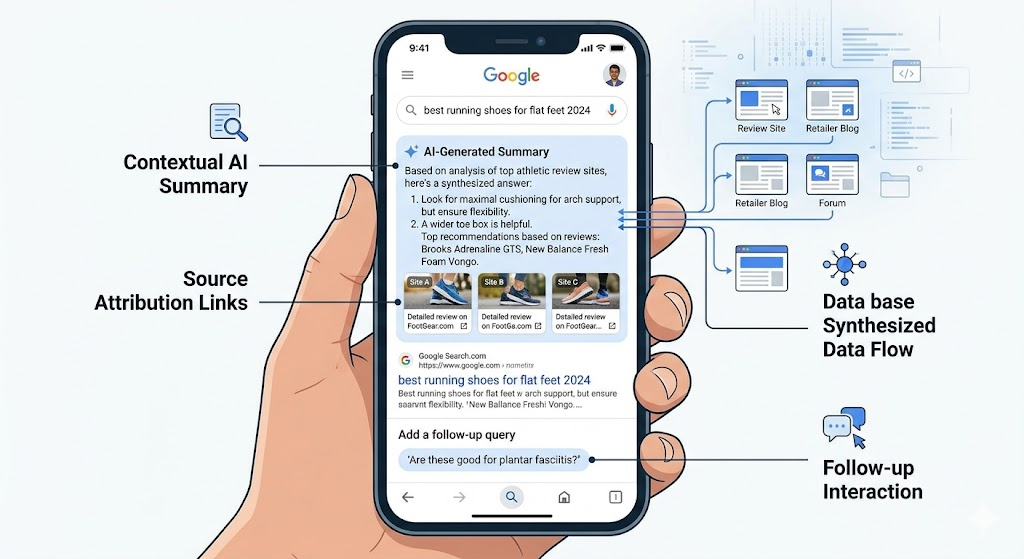
Traditional search relies heavily on ranking algorithms based on relevance signals like keywords, backlinks, and site authority. SGE generates original content snippets that answer questions directly, reducing clicks to external sites.
Instead of showing ten blue links, SGE offers concise, AI-crafted summaries or suggestions. This changes user interaction patterns and forces SEO professionals to think beyond rankings to visibility within AI outputs.
Feature Traditional Search SGE Result Format: List of ranked links, Generated content snippets, User Interaction: Clickthrough to external sites, Immediate answers within search, Ranking Factors: Keywords, backlinks, metadata. Contextual understanding, intent, SEO Focus, on-page, off-page optimization, and content relevance to AI prompts
How SGE Impacts SEO Strategies
SGE changes several core aspects of how search results appear and how content is evaluated. Its influence reshapes rankings and introduces new content formats, affecting traditional SEO approaches.
Changes in Search Result Presentation
With SGE, search results now include a mix of traditional links and enhanced AI-driven summaries. These summaries often appear at the top or alongside results, compressing information into digestible bites. This shifts user attention away from standard listings and toward these AI-generated insights.
Rich snippets and interactive elements expand, making the search experience more dynamic. As a result, SEO strategies must prioritize content that performs well within these summary formats. Structured data and clear, concise information are more essential than before to influence SGE’s result presentation.
Emergence of AI-Generated Content Blocks
SGE uses AI to generate content blocks that answer queries directly on the search page. These blocks pull from multiple sources, sometimes reducing clicks to external sites. This demands content creators to optimize not only for ranking but also for being selected as source data for these blocks.
To compete here, I focus on producing well-organized, authoritative content with factual accuracy and updated information. Clear headings and the use of schema markup improve the chance of AI extracting content from my pages. This means content quality and structure are now as important as traditional keyword tactics.
Influence on Organic Search Rankings
The introduction of SGE impacts organic rankings by redistributing attention and traffic patterns. Pages that traditionally ranked on the first page might see reduced CTR if AI summaries provide immediate answers. This calls for more nuanced optimization tactics focusing on user intent and engagement metrics.
I recommend adapting SEO by diversifying content formats, including FAQs and featured snippet targets, to remain competitive. Tracking shifts in traffic and engagement closely helps adjust efforts based on how SGE changes searcher behavior and ranking volatility.
Optimizing Content for SGE
To optimize for SGE, I focus on precise alignment with what users want, leveraging structured data to improve machine understanding, and ensuring content is deeply relevant and contextually rich. These elements help content perform better within the AI-driven search environment.
User Intent Alignment
Understanding and matching user intent is critical. I analyze the specific queries users input and structure content to answer their questions directly. This means providing clear, concise answers up front, followed by detailed explanations.
I prioritize different types of intent: informational, transactional, and navigational. For example, if a user seeks information, I supply thorough insights. When the intent is transactional, I emphasize product benefits and calls to action. This alignment guides how content is crafted, ensuring SGE recognizes its relevance.
Structured Data and Schema Markup
I utilize schema markup to communicate content details explicitly to SGE’s algorithms. Adding structured data like FAQ, HowTo, or Product schemas helps search engines parse and display information correctly.
This markup boosts the chance of appearing in rich results or AI summaries. I use JSON-LD format for easy implementation and regularly validate it using tools like Google’s Rich Results Test. Structured data is essential for SGE to understand and highlight critical content features.
Content Depth and Contextual Relevance
Depth matters. I create content that covers topics comprehensively, anticipating related questions and providing context that connects ideas naturally. This helps SGE build a fuller picture around the subject.
Instead of brief answers, I balance detail with clarity, using subheadings, bullet points, and examples. This approach increases topical authority and improves content’s usefulness, which SGE favors when generating AI-powered responses.

Technical Considerations for SGE Readiness
Preparing a site for SGE requires attention to core technical elements that impact search performance and user experience. Optimizing for speed, mobile compatibility, and effective crawling ensures your content is accessible and ranks well within generative search features.
Site Speed and Performance
Site speed is critical for SGE because faster-loading pages are prioritized in search results. I focus on reducing server response time and minimizing resource load, such as scripts and large images. Tools like Google PageSpeed Insights help identify bottlenecks and suggest actionable fixes.
Caching strategies improve repeat visit speeds, and implementing lazy loading delays non-critical content until needed. I also prioritize using modern image formats like WebP and enabling compression (gzip or Brotli) to reduce data transfer. A Content Delivery Network (CDN) further distributes content closer to users, cutting latency globally.
Mobile-Friendliness
Mobile optimization is non-negotiable for SGE, considering the majority of searches come from mobile devices. I ensure my sites use responsive design so layouts adapt fluidly across various screen sizes. Touch-friendly buttons and readable text reduce bounce rates on smartphones.
Google’s Mobile-Friendly Test helps check compliance with key standards such as viewport settings and font sizes. I avoid intrusive interstitials and pop-ups that disrupt mobile users, as these negatively impact ranking. Fast mobile page speeds are equally vital, so I combine mobile optimization with performance enhancements.
Crawlability and Indexing Best Practices
For SGE to access and use your content effectively, I ensure that the site is easily crawlable by search engines. I create well-structured XML sitemaps and submit them via Google Search Console to guide crawling bots. Clean URL structures with descriptive keywords also improve crawling efficiency.
Robots.txt files are configured to allow access to essential pages, avoiding accidental blocking. I use canonical tags to prevent duplicate content issues and structured data to help SGE understand context better. Regular audits ensure no key pages are orphaned or blocked, maximizing visibility in generative search outputs.
Measuring the Impact of SGE on SEO Metrics
I focus on how SGE affects measurable SEO outcomes such as user engagement, site traffic, and the presence of your content within new search features. These factors provide clear indicators of whether SGE is influencing your site's overall performance.
Changes in Click-Through Rates
Click-Through Rate (CTR) is one of the most immediate SEO metrics impacted by SGE. With search results incorporating AI-generated summaries or answer boxes, traditional organic listings may see fewer clicks.
I've observed that CTR can decrease for pages that rank lower but still appear in classic results because users get essential information directly within the SGE interface. It’s important to track CTR specifically for queries where SGE features appear versus those without.
Comparing CTR before and after SGE deployment helps identify shifts in user behavior. Adjusting titles and meta descriptions to stand out in mixed results also becomes critical to maintain healthy CTR levels.
Analyzing Traffic Sources
Traffic source analysis reveals the origin of user visits and helps isolate the impact of SGE on referral patterns. I look closely at direct traffic, organic search, and referral percentages to detect shifts.
SGE can change how users arrive at your site by redirecting some searches through AI features instead of clicking traditional links. Monitoring changes in organic search traffic specifically for keywords affected by SGE highlights this trend.
Behavior flow reports and segmenting traffic by source allow me to understand whether users engage with AI-generated features or still visit your main pages. Adjusting your SEO strategy requires knowing which traffic sources are growing or shrinking post-SGE implementation.
Tracking Visibility in SGE Features
Visibility in SGE-driven elements like AI snippets or answer cards is a new dimension of SEO. I track impressions and rankings not just on the traditional SERP but also within these AI features.
Using tools capable of identifying when your content is pulled directly into SGE responses provides insight into broader exposure beyond clicks. Even if users do not click through, this visibility can strengthen brand recognition and authority.
Monitoring how often your site is sourced in SGE outputs and identifying which queries trigger this can guide content optimization. Prioritizing concise, factual content improves chances of appearing in these AI-driven features.
Adapting SEO Practices for the Future
Adapting SEO for SGE requires an active approach to algorithm changes and a strategic use of AI-powered tools. It’s essential to understand new patterns in search behavior and optimize for evolving ranking signals.
Staying Current with SGE Updates
To stay competitive, I monitor official announcements from Google regarding SGE changes. These updates often include shifts in how content is prioritized, especially around AI-generated summaries and conversational answers.
I track metrics like click-through rates and dwell time closely after SGE adjustments. This helps me identify any impact on traffic and user engagement. Subscribing to SEO newsletters and participating in forums allows me to react quickly as new best practices emerge.
Key actions include:
Regularly reviewing Google's developer documentation
Testing different content formats based on feedback loops
Adjusting keyword strategies to fit conversational search queries
Integrating AI Tools in SEO Workflows
Using AI tools helps me analyze large datasets faster and generate content ideas aligned with SGE’s preferences. Tools like GPT-based writing assistants can optimize metadata, create drafts, and identify gaps in current content.
AI analytics platforms enhance keyword research by predicting trends in real time. I use automation to streamline reporting and monitor search result page features influenced by SGE, such as snippets or answer boxes.
Implementing AI maintains efficiency and allows more data-driven decisions. However, I ensure human oversight to verify quality and adherence to brand voice. This balanced integration improves both content relevance and technical SEO efforts.
Challenges and Opportunities in SGE for SEO
I see Search Generative Experience (SGE) reshaping SEO with both hurdles and advantages. One major challenge is adapting to how AI changes content visibility. Traditional keyword strategies might lose effectiveness when AI generates search results directly.
There is also increased competition for appearing in AI-driven answer boxes. Businesses must focus on structured data and content clarity to improve their chances. This requires a shift from keyword stuffing to providing clear, concise, and accurate information.
On the opportunity side, I find SGE offers new ways to optimize for user intent. AI can highlight well-structured, authoritative content, rewarding quality over quantity. Marketers who adapt quickly can gain an edge by tailoring content for AI interpretation.
I compiled a quick comparison to clarify this:
ChallengeOpportunityReduced visibility in traditional rankingsGain prominence in AI-generated summariesNeed for technical SEO adjustmentsEmphasis on content quality and relevanceUncertainty in measuring SEO performanceNew data points from AI interaction metrics
Navigating SGE demands flexibility and a deeper understanding of AI behavior. I believe those who focus on transparency and user value will benefit most.
Frequently Asked Questions
I will address common concerns about how Search Generative Experience impacts search result formats, content sourcing, and SEO performance metrics. I also cover practical steps to optimize for this new landscape and clarify the future role of SEO alongside AI-driven results.
What does Google’s Search Generative Experience change about how search results are displayed?
SGE introduces AI-powered summary cards above traditional results. These summaries provide concise answers and reduce the visible list of links.
Visual elements like images and related questions become more integrated. The format aims to satisfy queries faster but may decrease direct clicks to websites.
How does SGE generate answers, and what sources does it use to create summaries?
SGE uses advanced AI models to synthesize information from multiple web sources. It pulls data from authoritative and high-quality pages indexed by Google.
The system cross-references facts to generate balanced summaries rather than relying on a single source. This creates more comprehensive answers but challenges direct attribution.
How does SGE affect organic traffic, click-through rates, and traditional rankings?
Organic traffic can decline as users get answers without clicking through. Click-through rates for top-ranking pages may drop, especially for straightforward queries.
However, detailed content and niche topics still draw visits. Traditional rankings still matter but share visibility with AI-generated content panels.
What content and technical SEO practices help a site be cited or referenced in SGE results?
Creating authoritative, well-structured content is critical. Use clear headings, factual accuracy, and updated information.
Technical SEO elements like schema markup and fast site speed improve the chance of being referenced. Trust signals such as backlinks and domain authority remain important.
How should SEO measurement and reporting adapt for SGE-driven search behavior in 2026?
Focus on metrics beyond clicks, like impressions, engagement time, and brand visibility. Track shifts in query intent and how users interact with AI-generated summaries.
Incorporate analysis of position zero and featured snippet data. Adjust goals to include presence in SGE snippets, not just search rankings.
Is SEO becoming obsolete, or is it evolving alongside AI-driven search experiences?
SEO is evolving, not ending. The fundamentals remain but require adapting to AI’s role in shaping user behavior.
Optimizing for AI summaries and hybrid search results is the next phase. Staying informed and flexible is essential for future relevance.

Join Brian on Peerlist!
Join amazing folks like Brian and thousands of other builders on Peerlist.
0
4
0