

How We Built an AI Video Stylization System with Temporal Consistency
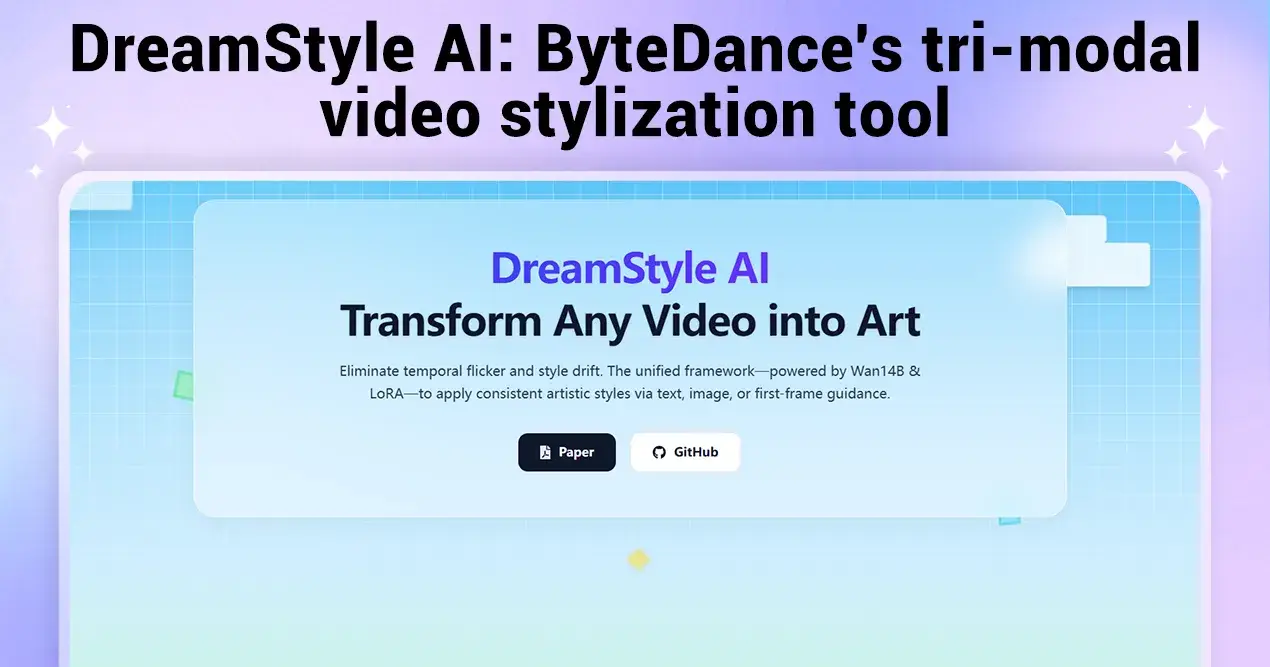
AI video stylization has improved rapidly, but one challenge remains hard to solve:
keeping styles consistent across frames.
When styles flicker or drift over time, even impressive single-frame results can feel unusable in real videos.
In this article, I want to share some lessons we learned while building an AI video stylization system that focuses on temporal consistency, structure preservation, and smooth motion.
---
### The Core Problem with Video Stylization
Most image-based style transfer methods work well on single frames.
However, applying them frame-by-frame often leads to:
- Style flickering
- Inconsistent textures
- Broken motion continuity
For video, visual stability matters more than isolated quality.
---
### Our Approach
We designed a pipeline that treats video as a continuous signal, not a set of images.
Key ideas included:
- Using the first frame as a style anchor
- Preserving spatial structure across frames
- Enforcing temporal constraints during stylization
The goal wasn’t just artistic output, but usable video results.
---
### From Model to Product
These ideas eventually evolved into DreamStyleAI, a video stylization product built around consistency-first design.
👉 https://www.dreamstyleai.com/
It’s designed for creators, developers, and teams who want stylized videos that actually hold together over time.
---
### Final Thoughts
If you’re working on video generation, editing, or creative AI tools, I believe temporal stability will become a core expectation—not a nice-to-have.
Happy to answer any technical or product-related questions.
Join michael on Peerlist!
Join amazing folks like michael and thousands of other builders on Peerlist.
0
0
0