

Tech is moving from our pockets to our bodies
The uprising happening on your wrists, and the next wearables are shaping a better experience.
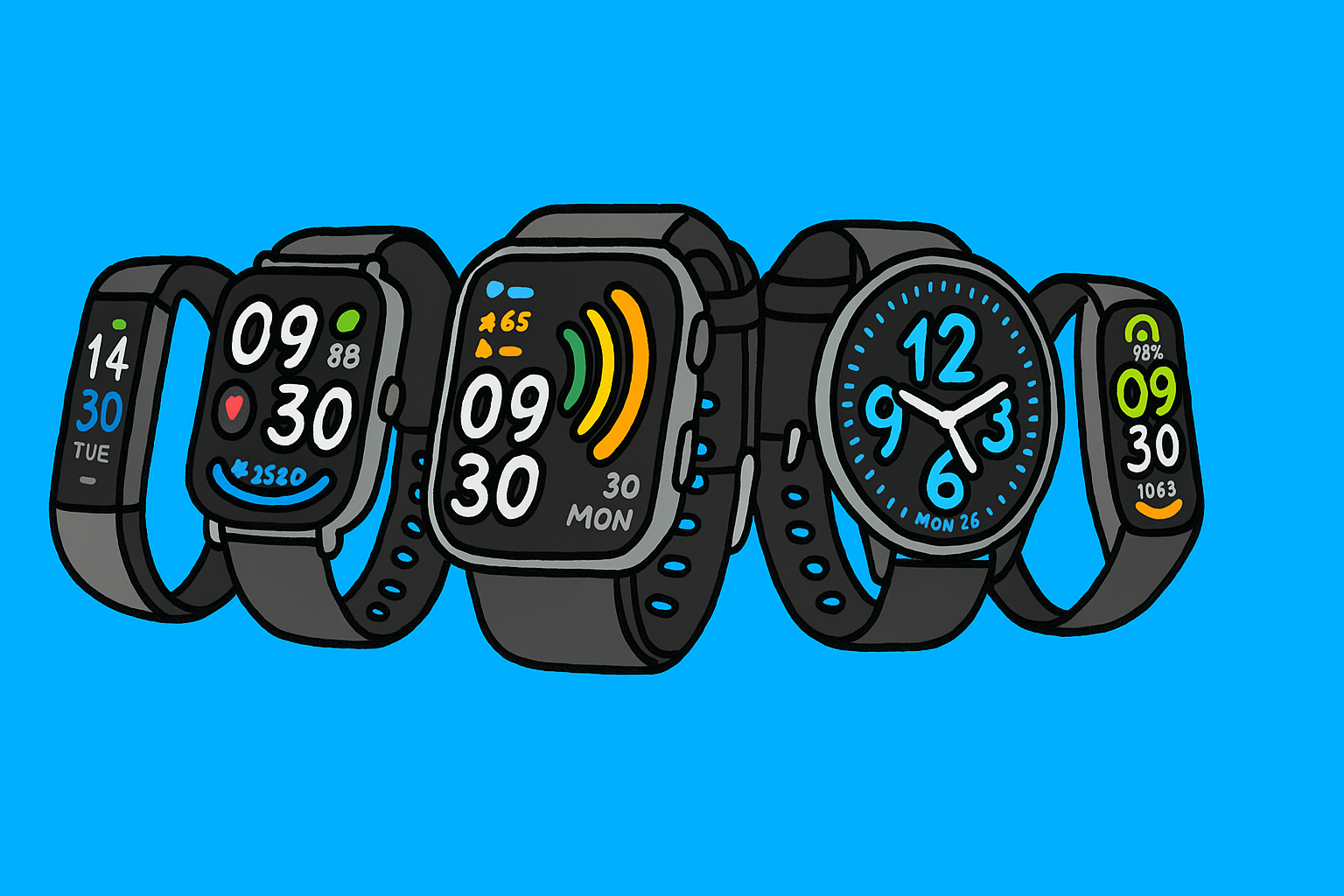
How smart devices are growing into reliable partners for health, habits, and everyday flow
Wearables sit closer to our daily rhythm than phones or desktops.
They collect signals from our sleep, movement, and environment consistently that other devices often cannot.
Even with all this potential, the experience still feels early. As an Apple Watch Series 10 owner, I often sense how much more these devices could do.
The foundations are here, and the next layer of usefulness feels ready to grow.
A device that tells time while also understanding the situation you are in.
This is the direction modern wearables should be moving toward.
Smartwatches from Apple, Samsung, Garmin, Whoop, and others have begun to respond to your environment and physical state, but the experience still feels limited in everyday usefulness.
They handle safety features like SOS calls and crash detection well, yet they are not reliable companions in the same way a phone can be.
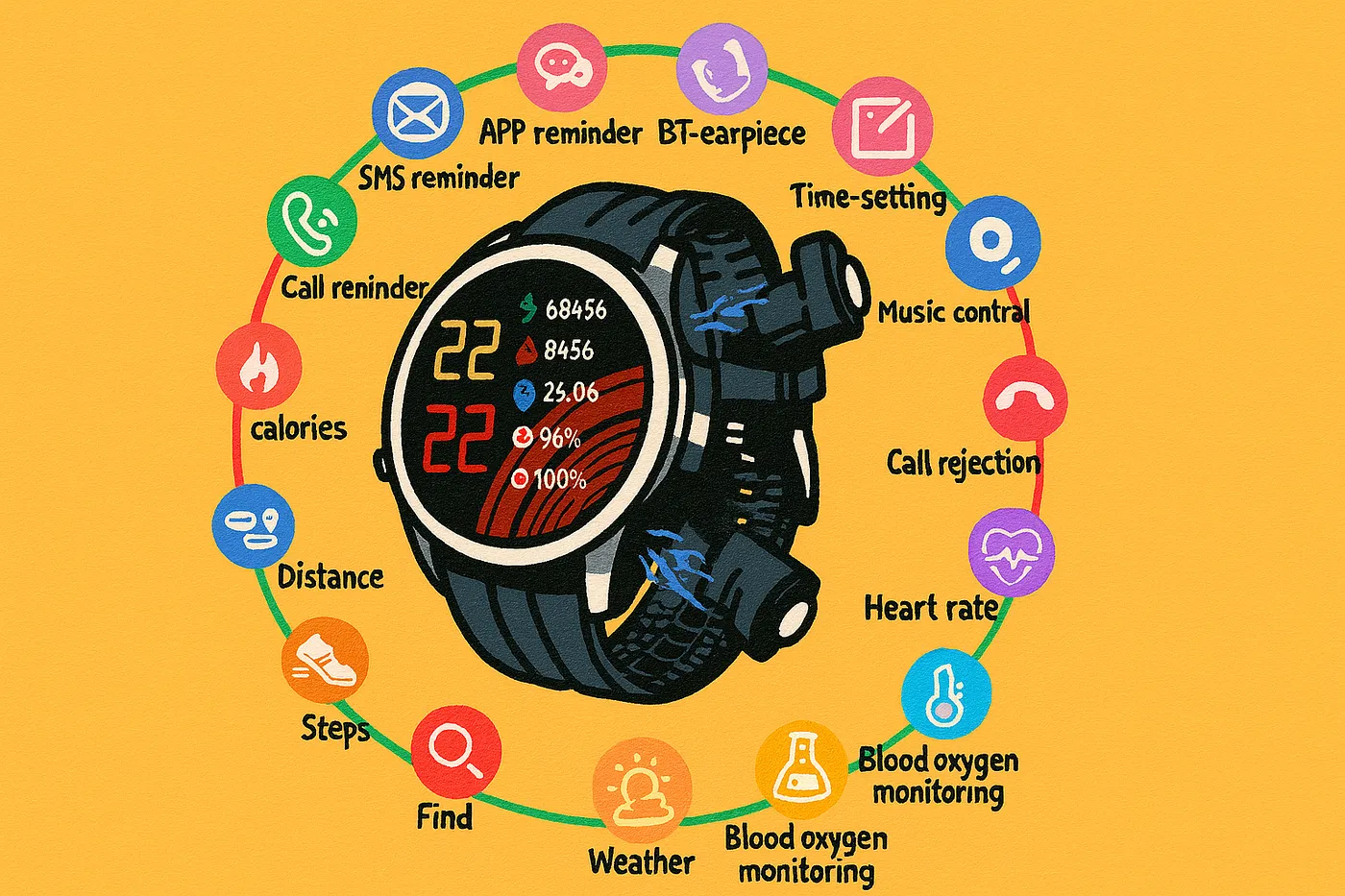
These devices hold rich information about your routines, sleep, movement, and daily rhythm, but much of this potential has not yet turned into simple, helpful support for day‑to‑day living.
Their real strength comes from the ongoing flow of data they collect.
These signals create a clearer picture of how you are doing at any moment and help the device understand your pace, energy, and environment.
When this information combines with AI, the device can refine reminders, adjust routines, and surface insights that help you move through your day with more clarity.
It can notice how well you slept and shape a gentler wake window, or use environmental sensors to help you stay aware of air quality or strong UV exposure.
This story looks at how wearables support quality of life across contexts. It highlights everyday use cases, meaningful before‑and‑after moments, and the new possibilities that appear as AI becomes a calm and steady partner in daily life.
The rise of contextual awareness and thoughtful automation
Smartwatches gather a wide range of health and activity information. The real value comes from how these signals are interpreted.
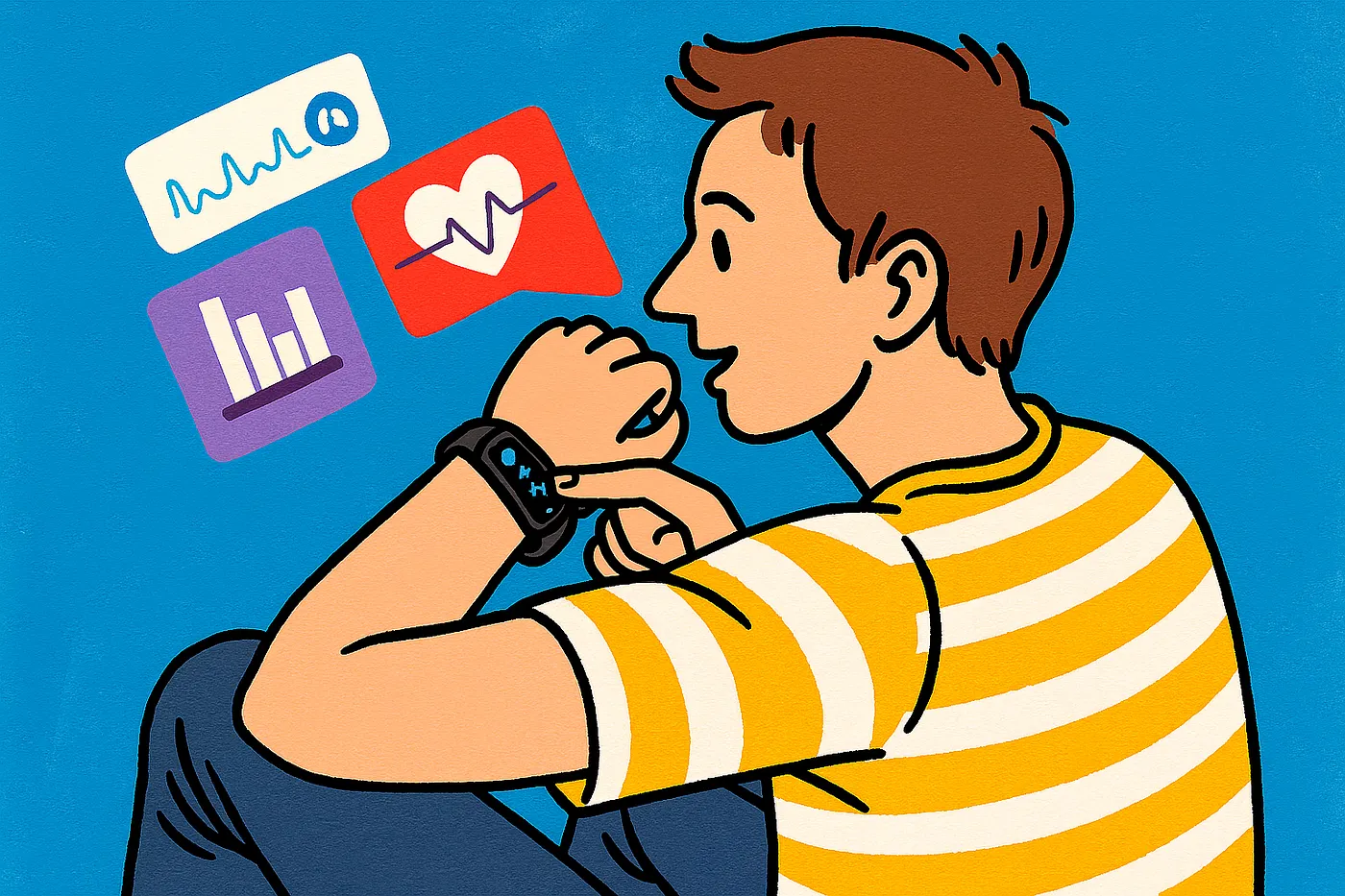
A device that understands context can deliver guidance that feels personal. It can adapt reminders to your pace, adjust notifications, and pick up on subtle strains or improvements in your day.
This shift toward contextual design connects with current work from leading wearable platforms and labs focused on real‑time sensing and adaptive intelligence. Recent work includes:
Apple’s machine learning research on device health modeling
Samsung’s digital wellness initiatives
Garmin Health studies on continuous activity and recovery tracking
These efforts explore how devices can understand subtle changes in activity, environment, or attention through modern sensor suites.
As contextual awareness grows, the next natural step for wearables is automation. A device that understands the situation can act on patterns without constant input.
It can adjust alerts based on your pace, shape your morning routine according to your wake time, or manage small health nudges in a calm, predictable way. These automations stay simple and supportive so they blend into daily life instead of pulling attention away from it.
Flexible Routine
Press enter or click to view image in full size
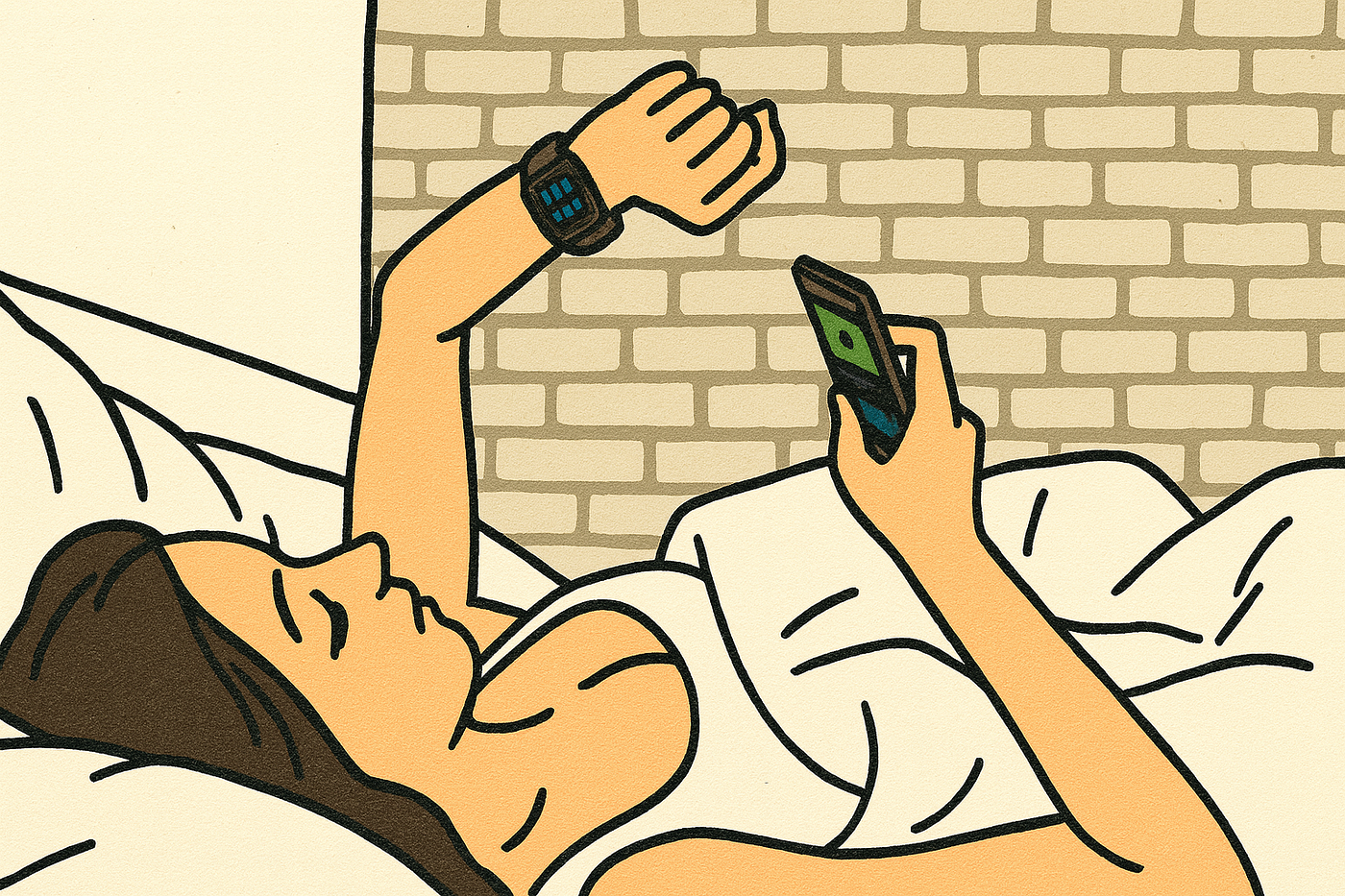
Starting your day off right sets the tone for everything that follows.
Whether you’re gearing up for a busy day at the office or planning a relaxed morning at home. But let’s face it, not every morning goes as planned
Maybe you aimed to wake up at 6 a.m., but it turned out you woke only 6:30.
If meditation is usually at 6:30, the watch can shift it to 7:00 on mornings when you wake up later. But if you had to be at work, ‘run, run, run!’.
This kind of gentle adjustment helps you stay connected to your habits. It keeps practices like meditation, exercise, or a first cup of coffee in place even when your morning starts a bit off rhythm.
The watch adapts to your pace, so your routine stays steady and easy to follow.
Applications and Best Practices
Press enter or click to view image in full size
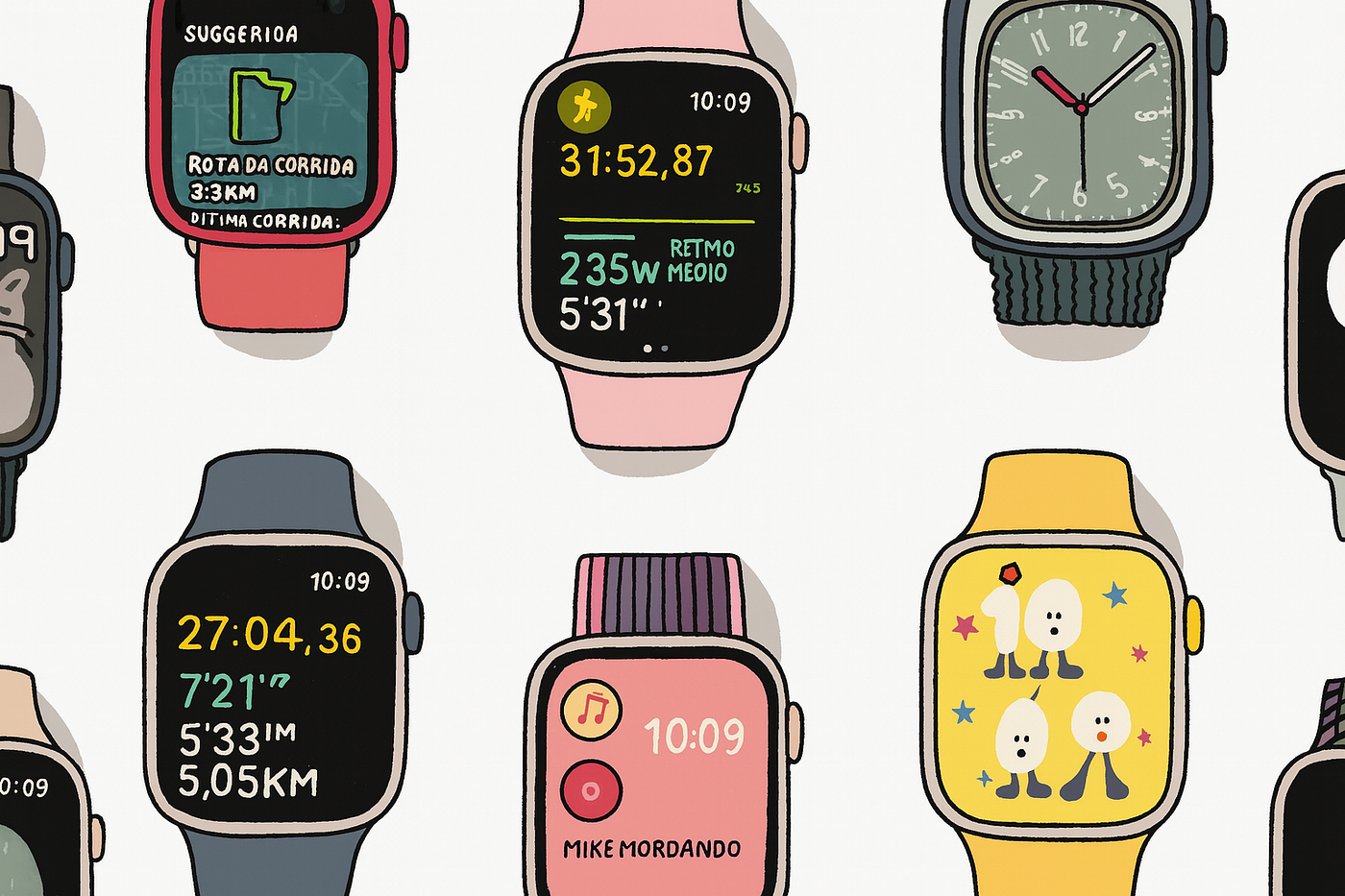
We are not there yet, but there will be a leap in device usage from portables to wearables, and we(tech people) must be capable of meeting the new business’ and user’s needs.
When building these kinds of features, it helps to keep the ideas below simple and clear. They make the experience easier for people to understand and use:
User customization
Everyone’s daily rhythm is different, and your smartwatch should reflect that. Alarms, reminders, and routines can be shaped to match your schedule and preferences.
Transparency
Clear explanations about how your data is used help build trust. Knowing what the device collects makes it easier to choose settings that feel right for you.
Privacy control
You should always have control over your personal data. Wearables with strong privacy options give you the confidence to use their features comfortably.
Smart learning
Machine learning helps wearables learn from your routines. Over time, this leads to suggestions that match your habits and support your goals.
Gentle alerts
Soft vibrations and calm tones help you wake up or shift tasks without a jolt. These alerts keep interactions smooth and supportive.
Seamless integration
A smartwatch that connects well with your other devices can shape a smoother environment at home. Lights, thermostats, and other tools can adjust to your routine in simple, helpful ways.
Applying these ideas helps a smartwatch become a steady part of daily life.
The transition feels similar to those early years of smartphones, when people were still figuring out how apps, touchscreens, and mobile tools could fit into everyday moments.
We learned by using them, testing new features, and adjusting as the technology matured.
Wearables are going through that same gentle evolution. It is completely fine to move at a comfortable pace, to test what works, and to let the experience grow over time.
Each feature supports small decisions and habits that guide the flow of your day. As wearables continue to develop, they will offer guidance that feels natural and easy to follow.
This gives people a clear path toward healthier and more balanced routines.
Future Trends or Implications
Press enter or click to view image in full size
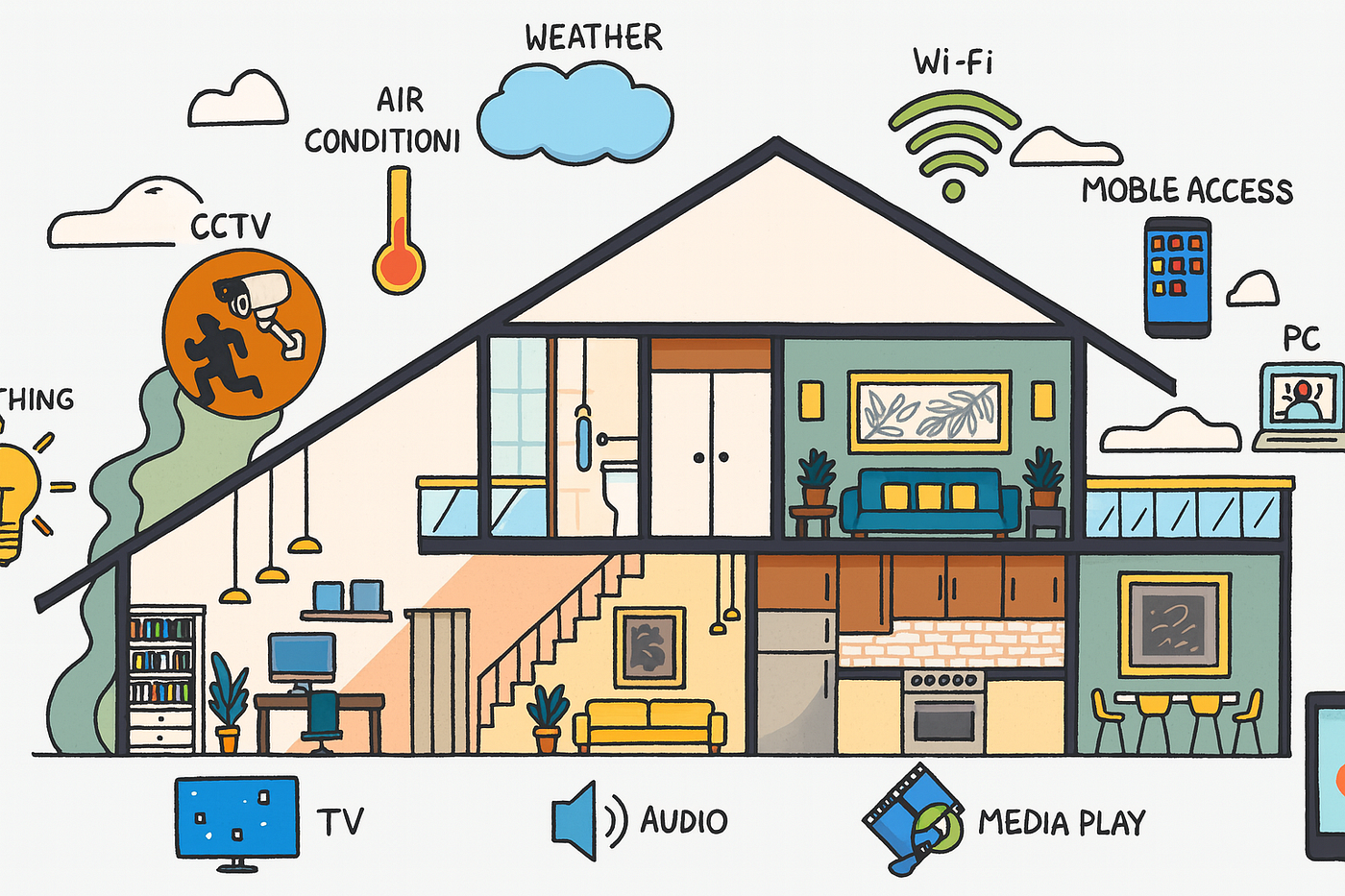
As we look ahead, smartwatches are poised to become even more integrated into our lives. What the future may hold for these devices:
Deeper health integration
Future wearables may track long‑term patterns in heart rate, sleep, and stress signals. These insights can support early awareness of changes in wellbeing. For example, your watch could notice shifts in resting heart rate and suggest you slow your pace for the day.
Smarter home connectivity
Wearables can shape your environment in simple ways. A morning wake signal may trigger gentle lighting, start the coffee maker, or warm the room before you get out of bed.
Augmented reality support
Future wearables may offer small AR moments that keep information easy to access. While preparing for a run, you could see pace or distance data in your line of sight without checking a screen.
Longer battery life and sustainable design
Improved batteries and sustainable materials may help devices stay powered longer and feel better to use each day.
Stronger personalization
Your watch may learn the rhythm of your routines and adjust guidance to match your habits. It could suggest focus time in quiet parts of the day or nudge you for movement during long stretches of sitting.
Support for mental health
Wearables may offer tools that help you stay aware of emotional patterns. If stress indicators rise through the afternoon, the watch could suggest a breathing session or a short walk to help you reset.
Press enter or click to view image in full size
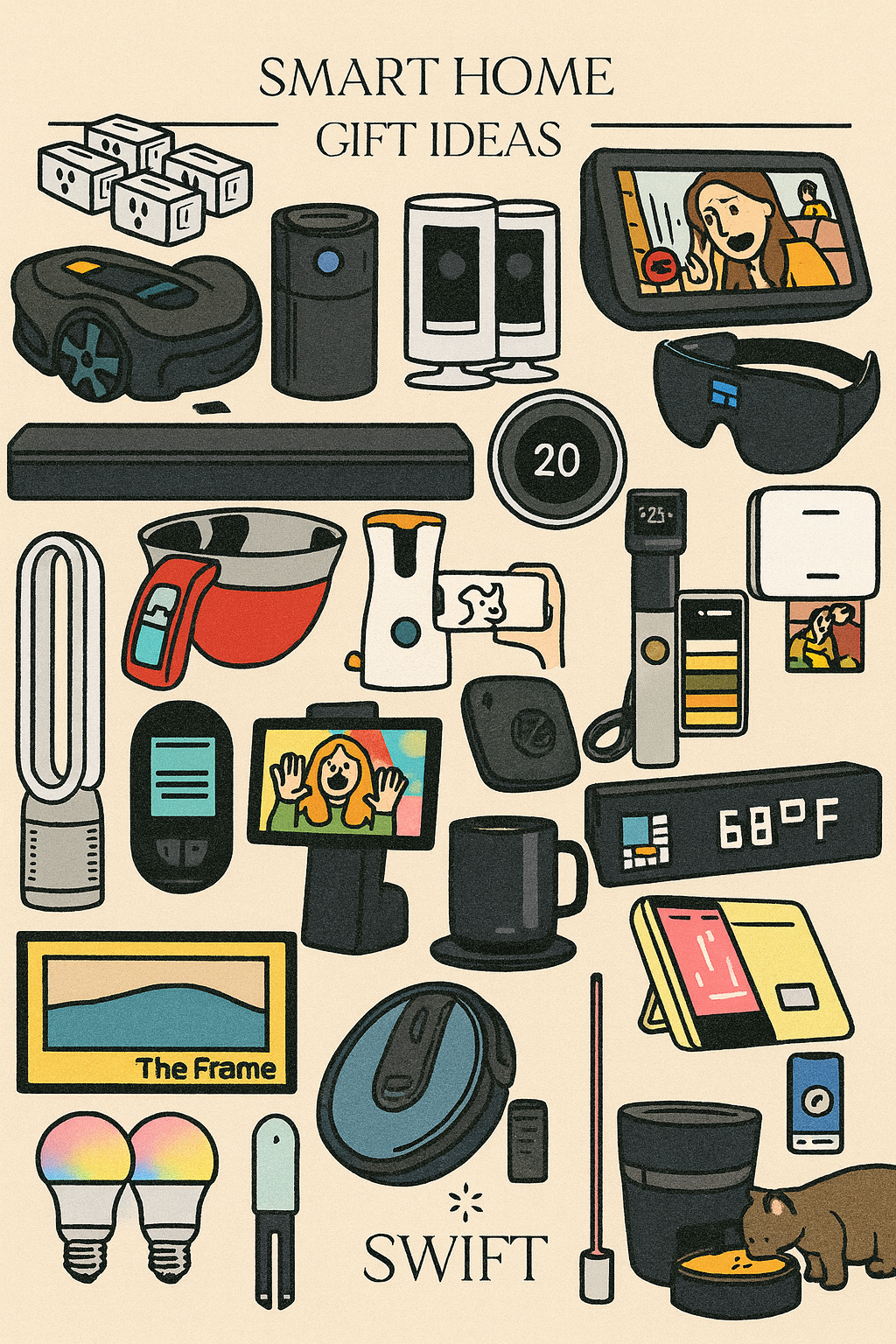
A quest that will end the race of IOT-like tech into the Übermaschine of all machines. The central control device for all our other devices. And in “wearable” it fits the criteria 'wearing' it on your brain, like Neuralink.
By taking steady steps forward with these innovations, wearables are becoming calm companions that support everyday life in helpful and meaningful ways. Their role grows with each new design idea, each new sensor, and each new way of understanding human routines.
This is an open moment for designers, developers, and entrepreneurs to shape the next stage of human‑machine interaction.
It is a chance to build tools that listen, adjust, and support people in ways that fit naturally into real life.
Anyone working in tech today can help guide this shift and create wearables that bring clarity, comfort, and balance to the days ahead.
Press enter or click to view image in full size
Do YOU use wearables?
Who am I
Over the past 5 years, I’ve worked as a UX/UI Product Designer focused on making SaaS products and internal tools more efficient and intuitive.
What drives my work is simple: building products that solve real problems while creating measurable results for both users and businesses.
Network with me on LinkedIn

Join Vincent on Peerlist!
Join amazing folks like Vincent and thousands of other builders on Peerlist.
0
1
0