

From Rap Ideas to Lyric Videos: A Practical AI Music Workflow for Creators
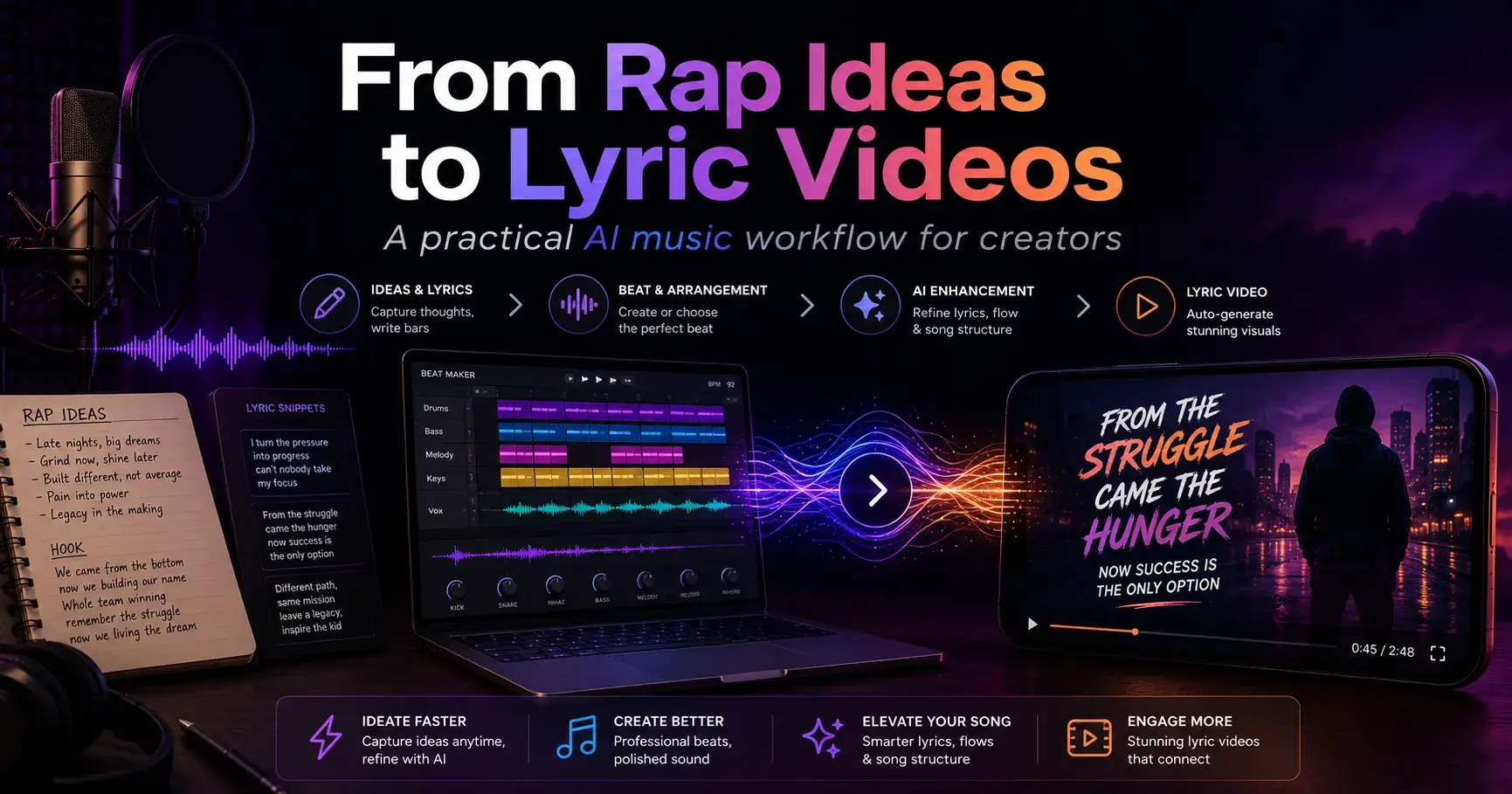
A lot of AI music tools are trying to do everything at once.
They let you generate songs in different genres, create background music, experiment with vocals, or make quick demos from a prompt. That is useful, but it also creates a small problem: when a tool is too general, the workflow can feel unclear.
Most creators do not start with “I want to generate music.”
They usually start with something much more specific:
- I have a hook idea.
- I want to test a rap verse.
- I need a short song for a video.
- I want to turn lyrics into something visual.
- I want to post a music-based clip on TikTok, YouTube Shorts, or Instagram.
That is why I think the next wave of AI music tools will not only be about better models. It will also be about more focused workflows.
## The problem with general AI music tools
General AI music generators are powerful, but they often leave the user with too many choices.
What genre should I pick?
How should I describe the voice?
Should I write my own lyrics?
What do I do after the song is generated?
How do I turn this into content people can actually watch?
For casual users, this can become confusing quickly.
A focused tool can make the starting point easier. Instead of asking the user to understand the whole music production process, it gives them a clear path.
For example, rap has a very specific structure. Flow, rhythm, rhyme, delivery, and attitude matter a lot. A generic music tool may generate a song, but a rap-focused workflow can be more useful because it is built around the way people actually think about rap ideas.
## Step 1: Turn a rough idea into a rap track
One simple workflow is to start with a topic or a few lines of lyrics and turn that into a listenable rap demo.
That is the idea behind AI Rap Generator。
Instead of only generating text lyrics, the goal is to help users move from an idea to a rap track with lyrics, vocals, flow, and a beat. This makes the result easier to judge. You are not just reading words on a page — you can hear whether the idea has energy, rhythm, and potential.
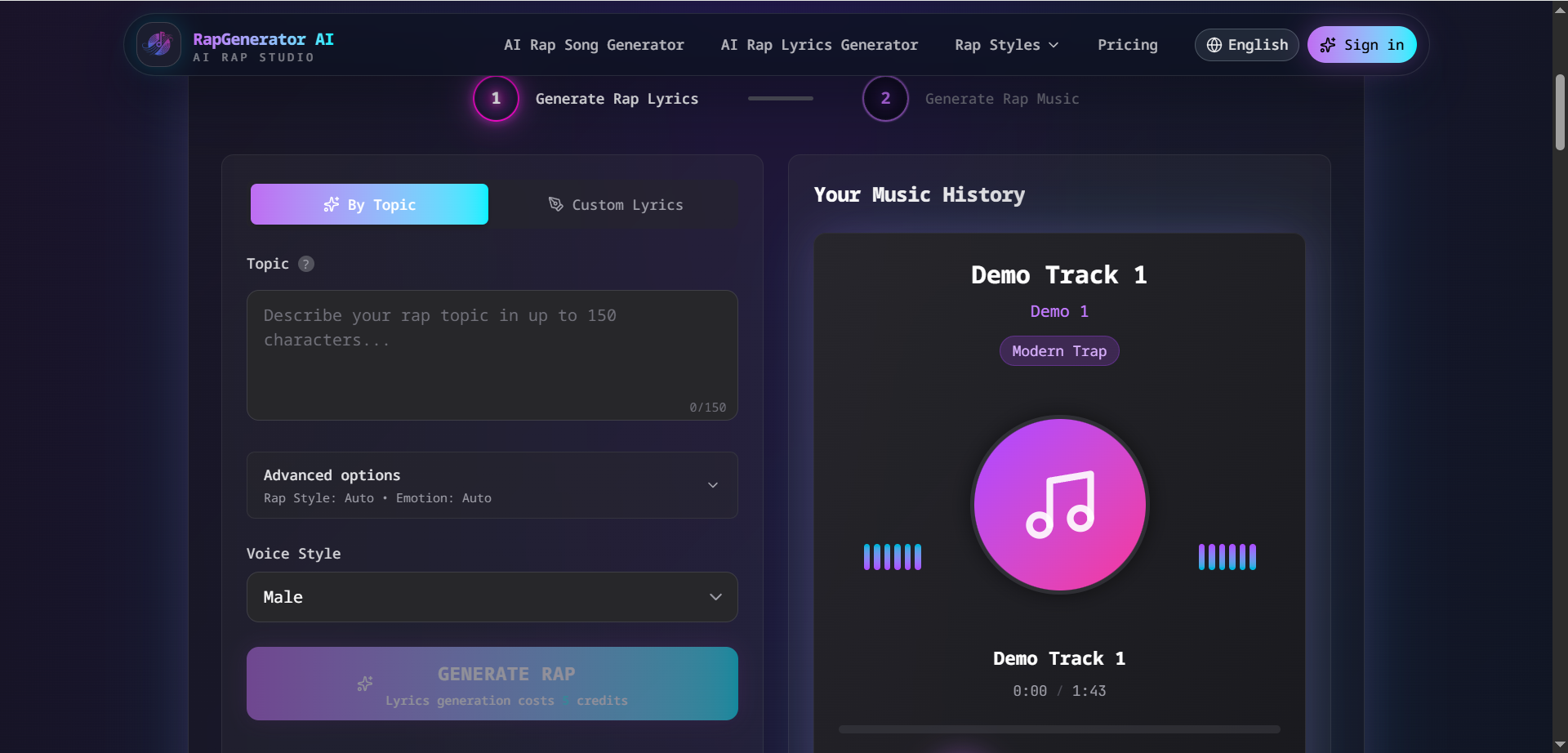
This is useful for a few types of users:
- people testing song ideas
- creators making short-form content
- beginners who do not know how to produce music
- writers who want to hear how lyrics might sound
- anyone who enjoys experimenting with rap styles
The important part is not that AI replaces music creation. It is that it lowers the friction between having an idea and hearing a first version.
That first version does not have to be perfect. It just needs to be good enough to help the creator decide what to do next.
## Step 2: Turn lyrics into visual content
Once you have a song or a lyric idea, the next question is often: how do I share it?
For many creators, audio alone is not enough. Music content usually performs better when it has some kind of visual layer: lyric videos, animated backgrounds, abstract visuals, story-based scenes, or short clips made for social platforms.
That is where an AI Lyric Video Generator becomes useful.
A lyric video workflow helps bridge the gap between a song and a piece of visual content. Instead of manually syncing text, choosing backgrounds, editing clips, and matching everything to the music, AI can help turn lyrics and audio into a more complete video experience.
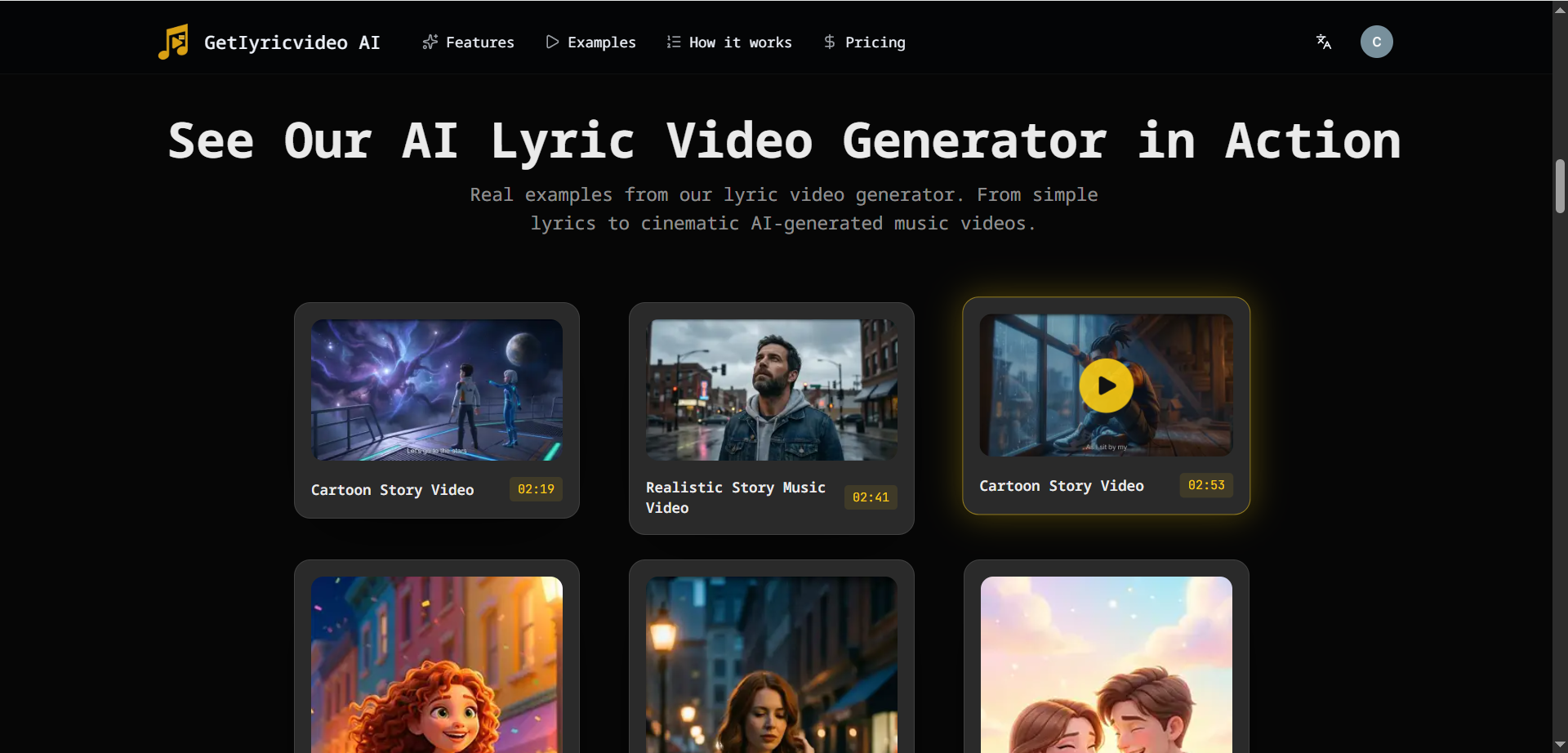
This is especially useful for independent creators who do not have a video editor, designer, or production team.
A simple music content workflow could look like this:
1. Start with a topic or lyrics.
2. Generate a rap song or demo.
3. Use the lyrics and audio to create a lyric video.
4. Share the final result on short-form video platforms.
The value is not just speed. The value is that a creator can test more ideas without needing a full production setup.
## Why niche AI tools can be better than broad tools
Broad AI tools are great for exploration. But niche tools are often better for execution.
A general tool asks the user to figure out the workflow.
A niche tool gives the user a workflow from the beginning.
For music creators, that matters.
Someone who wants to make a rap demo does not necessarily want to learn prompt engineering for every genre. Someone who wants a lyric video does not necessarily want to become a video editor. They just want a practical way to turn an idea into something they can hear, watch, and share.
This is where focused AI products can create real value.
They do not need to replace professional tools. They can sit at the beginning of the creative process, where speed and experimentation matter most.
## The future: smaller tools, clearer outcomes
I think we will see more AI tools built around very specific creative outcomes.
Not just “generate music,” but:
- generate a rap hook
- turn lyrics into a song demo
- create a lyric video from audio
- make a short music clip for TikTok
- create background visuals for a track
- test different song concepts quickly
These tools may look smaller than all-in-one platforms, but they can feel more useful because the user immediately understands what to do.
For creators, the best AI workflow is not always the most powerful one. It is the one that helps them move from idea to output with the least friction.
That is the opportunity I find interesting: AI tools that do one creative job clearly, quickly, and well.

Join chou on Peerlist!
Join amazing folks like chou and thousands of other builders on Peerlist.
0
0
0