

Why Most Sales Calls Fail in the First 30 Seconds
Discover why most sales calls fail within the first 30 seconds and learn how improving your opening pitch, tone, and personalization can help increase engagement and boost conversions.
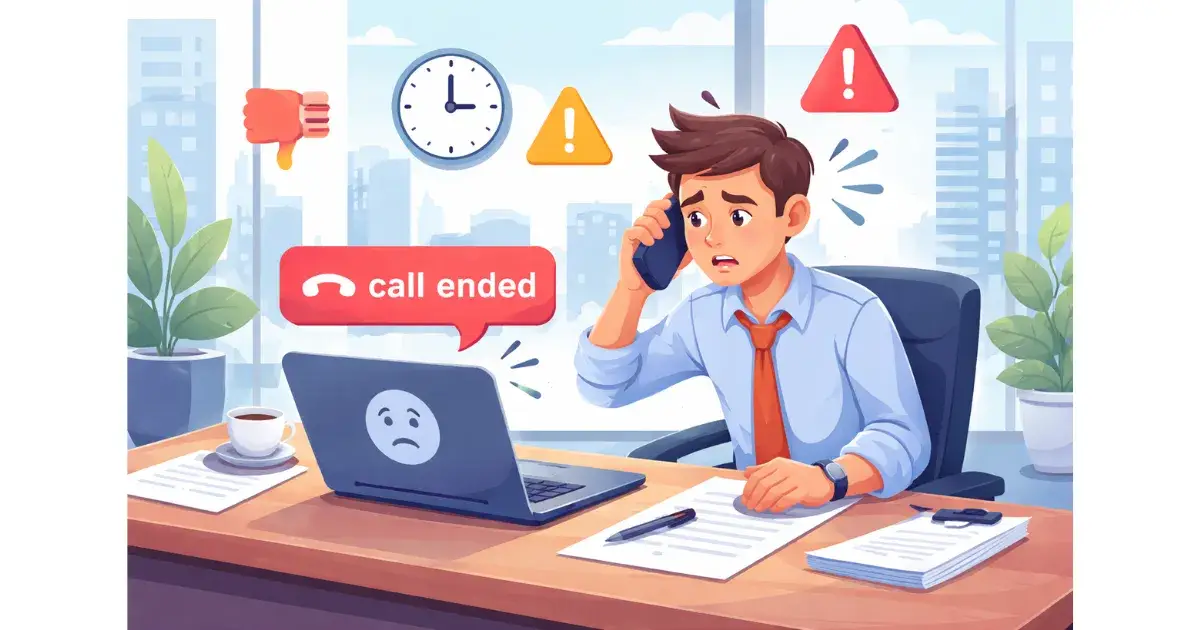
Most sales leaders assume calls fail because of pricing objections, poor pitching, or weak closing skills. In reality, many calls never even reach that stage. They collapse much earlier.
The first few moments of a conversation often decide whether the rest of the call will even happen.
Anyone who has reviewed call recordings or watched telecalling dashboards has seen this pattern. The rep dials, introduces themselves, and within seconds the prospect disengages. Sometimes the hang-up happens immediately. Sometimes the prospect stays on the line but mentally checks out.
Understanding what happens in the First 30 Seconds of a Sales Call is where real sales improvement begins.
What Actually Happens in the First 30 Seconds of a Sales Call
The early moments of a sales call are not about persuasion. They are about attention.
When the phone rings, the prospect’s brain goes through a rapid filtering process. The moment the call connects, they begin deciding whether this conversation deserves their time.
Three silent questions typically run through their mind:
Who is this?
Why are they calling me?
Is this worth continuing?
If those questions are not answered quickly and clearly, the call loses momentum almost immediately.
People who handle or monitor sales calls often notice the same behavioral signals. When the opening sounds generic, prospects respond with short answers, distracted tones, or quick attempts to end the conversation.
This reaction is not personal. It is simply how people manage interruptions. Sales calls compete with meetings, deadlines, and constant notifications. If relevance is not established early, the brain categorizes the call as noise.
That is why the First 30 Seconds of a Sales Call function more like an attention checkpoint than a sales pitch.
Why Most Sales Reps Lose the Call in the First 10 Seconds
When you listen to a large number of sales recordings, certain patterns become obvious. The same opening habits appear again and again, and many of them unintentionally push prospects away.
The “Telemarketer Voice” Problem
Experienced prospects can detect a sales call almost instantly. It often comes down to tone.
Overly enthusiastic greetings or scripted energy tend to signal a rehearsed pitch. Phrases like “Hi, how are you today?” or “I just wanted to reach out” have been heard thousands of times.
Once the conversation feels scripted, the prospect assumes the rest of the call will follow the same pattern.
Leading With the Company Instead of the Prospect
Another common opening sounds like this:
“Hi, I’m calling from [company name] and we provide…”
From the caller’s perspective, this feels logical. From the prospect’s perspective, it immediately centers the conversation around the seller.
At that stage, the prospect is still trying to understand why they are receiving the call. Talking about the company too early often disconnects the conversation from the prospect’s situation.
Asking Permission in a Way That Encourages Rejection
Many sales reps begin with a polite question:
“Did I catch you at a bad time?”
While it sounds courteous, it also gives the prospect an easy exit. If they are busy, distracted, or unsure about the caller, the safest answer is “yes.”
Small opening choices like these often explain Why Sales Calls Fail before the discussion even begins.
The Real Job of the First 30 Seconds
Many sales teams misunderstand the role of the opening. The first moments are not meant to deliver the full pitch.
Their real job is much simpler: keep the conversation alive.
Three things need to happen during the First 30 Seconds of a Sales Call.
Reduce Suspicion
Cold calls naturally trigger skepticism. Prospects assume the call may be irrelevant or part of mass outreach.
The opening must quickly show that the call has a clear purpose.
Establish Relevance
One of the fastest ways to lose attention is sounding random. When the caller explains why they reached out to this specific role, company, or industry, the conversation immediately becomes more grounded.
Create Curiosity
Curiosity buys time. When a prospect becomes even slightly interested in the reason behind the call, they are more likely to continue the conversation.
This is the moment where skilled reps create space for the rest of the discussion.
The Psychology Behind Early Call Rejection
Understanding Why Sales Calls Fail requires looking at the psychology of interruptions.
Phone calls demand immediate attention. Unlike emails or messages, they cannot be ignored quietly. Because of this, many people instinctively respond with caution.
Interruption Resistance
Prospects often treat unexpected calls as interruptions rather than opportunities. Their first instinct is to minimize disruption.
If the opening sounds like a predictable sales pitch, they move toward ending the call quickly.
Cognitive Load
During the workday, people juggle meetings, internal problems, and ongoing tasks. When a caller launches into a complex explanation or detailed product description, the listener has to work harder to process it.
The brain prefers simplicity during interruptions.
Pattern Recognition
People who receive frequent sales calls recognize familiar patterns. If the opening resembles the dozens of calls they have heard before, they often assume the rest will follow the same script.
Breaking that pattern is one of the biggest factors in keeping the conversation alive.
7 Sales Call Mistakes That Kill Conversations Early
When reviewing sales conversations across different teams, several Sales Call Mistakes appear repeatedly.
Sounding Scripted: Rigid scripts often remove the natural rhythm of conversation. Prospects tend to disengage when the interaction feels rehearsed rather than genuine.
Starting With Company Introductions: Opening with long explanations about the company shifts attention away from the prospect’s situation.
Talking Too Much: Some calls fail simply because the rep speaks too long without involving the listener.
Pitching Too Early: Product features introduced in the opening rarely land well. The prospect has not yet agreed that the conversation is worth having.
Weak Personalization: Generic personalization such as referencing someone’s job title does not create real relevance.
Unclear Reason for the Call: One of the biggest Sales Call Mistakes is failing to explain the reason for the call early enough. Prospects stay engaged longer when they understand the purpose.
Lack of Preparation Signals: When a call sounds random or disconnected from the prospect’s world, credibility drops quickly.
What High-Performing Reps Do Differently
Top-performing telecallers approach openings differently.
They treat the start of the call as a strategic moment rather than a formality.
1. They Anchor the Conversation in Context
Instead of introducing themselves first, they start with something the prospect relates to immediately.
Example:
“Hi, I’ve been speaking with a few sales heads in your space, and most of them are struggling with lead follow-ups slipping between calls and WhatsApp. Thought I’d quickly check if that’s something you’re seeing as well?”
Why this works: It doesn’t feel random. The prospect instantly hears something familiar to their role, which makes them pause instead of disengage.
2. They Show the Call Is Intentional
They make it clear this is not a random dial. There’s a reason behind the call.
Example:
“Hi, I’m reaching out because we noticed teams handling high inbound calls often miss tracking repeat follow-ups properly, especially when volume increases. I wanted to see how your team is managing that right now.”
Why this works: It signals preparation and purpose. Even if the assumption is not 100% accurate, it shows the call is thought through.
3. They Break Familiar Patterns
They disrupt expectations instead of sounding like every other sales call.
Example:
“Hey, this is actually a cold call. If you give me 20 seconds, I’ll explain why I reached out, and you can decide if it’s worth continuing.”
Why this works: It removes the usual sales tension. The honesty feels different, and most prospects are curious enough to give those 20 seconds.
A Simple Framework for Strong Sales Call Openings
Many experienced callers rely on a simple structure when approaching new prospects.
One effective model focuses on three steps:
Relevance → Reason → Curiosity
First, reference something connected to the prospect’s role or industry.
Second, explain the reason for reaching out.
Third, introduce a short curiosity trigger that invites further discussion.
This structure keeps the opening focused and prevents the conversation from drifting into long introductions.
How Sales Teams Can Train Reps to Win the First 30 Seconds
Improving call openings requires more than new scripts. It requires observation and feedback.
Review Call Openings
Listening to the first 20 seconds of multiple recordings often reveals patterns quickly.
Many teams are surprised by how similar their openings sound.
Track Early Drop-Off Rates
Call dashboards can show how many conversations end within the first 10 or 30 seconds. This data highlights where engagement is failing.
Coach the Beginning of Calls
Most coaching focuses on objection handling or closing techniques. In reality, the opening deserves just as much attention.
When teams analyze early conversation dynamics through call analytics or even a telecalling crm software, they often uncover the small habits that influence success rates.
Conclusion
Many sales teams spend months improving pitch decks, refining objection responses, or adjusting pricing strategies. Those efforts matter, but they often overlook the moment where most conversations actually collapse.
The First 30 Seconds of a Sales Call quietly determine whether the rest of the call will happen.
If the opening fails to establish relevance, curiosity, and credibility, the conversation rarely recovers.
Understanding Why Sales Calls Fail is not about blaming salespeople. It is about recognizing how quickly attention decisions are made.
For telesales teams looking to improve performance, the most valuable place to start may not be the closing stage.
It may be the first sentence of the call.

Join Dhruevn on Peerlist!
Join amazing folks like Dhruevn and thousands of other builders on Peerlist.
0
1
0