

I Tried an AI Manga Translator While Helping a Friend Read Manga — Here's My Honest Experience
Helped a friend read manga and tested an AI Manga Translator. Here's my honest experience with its speed, translation quality, and ease of use.
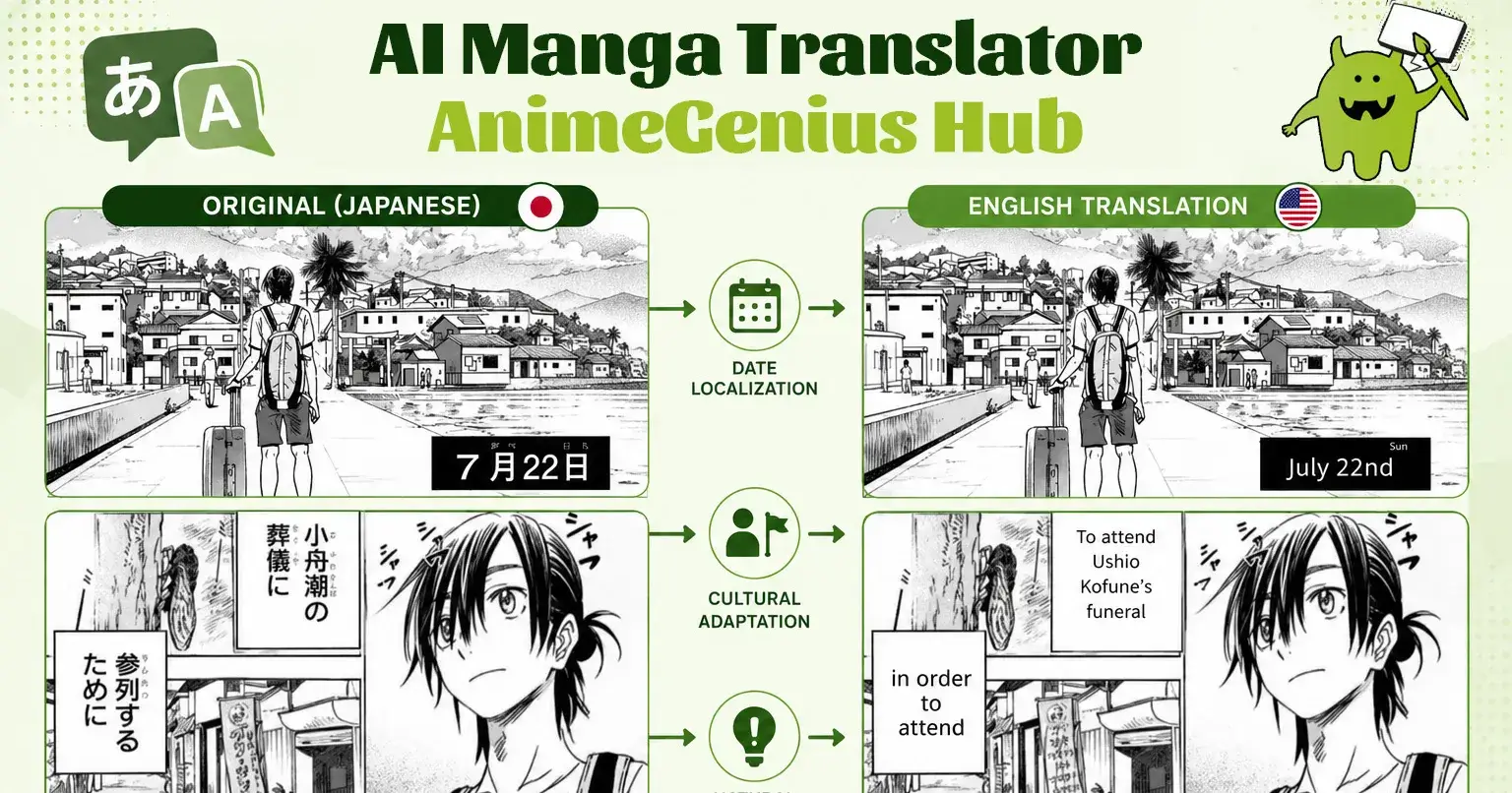
A few months ago, a friend of mine from Europe messaged me with a simple request:
"Can you help me understand this manga chapter?"
At first, it seemed easy enough. I've been reading manga for years, and while I'm not a professional translator, I'm comfortable enough with Japanese to explain dialogue, character jokes, and cultural references.
The problem was that it wasn't just one chapter.
It quickly turned into multiple chapters, dozens of pages, and countless screenshots being sent back and forth.
After spending several evenings manually translating speech bubbles and explaining character interactions, I started looking for a faster solution. That's when I stumbled upon AnimeGenius Hub's AI Manga Translator.
To be honest, I wasn't expecting much.
I've tried automatic translation tools before, and most of them fall into one of two categories:
Fast but inaccurate
High cost and limited trial usage
What surprised me was that this experience felt different.
The Real Challenge of Translating Manga
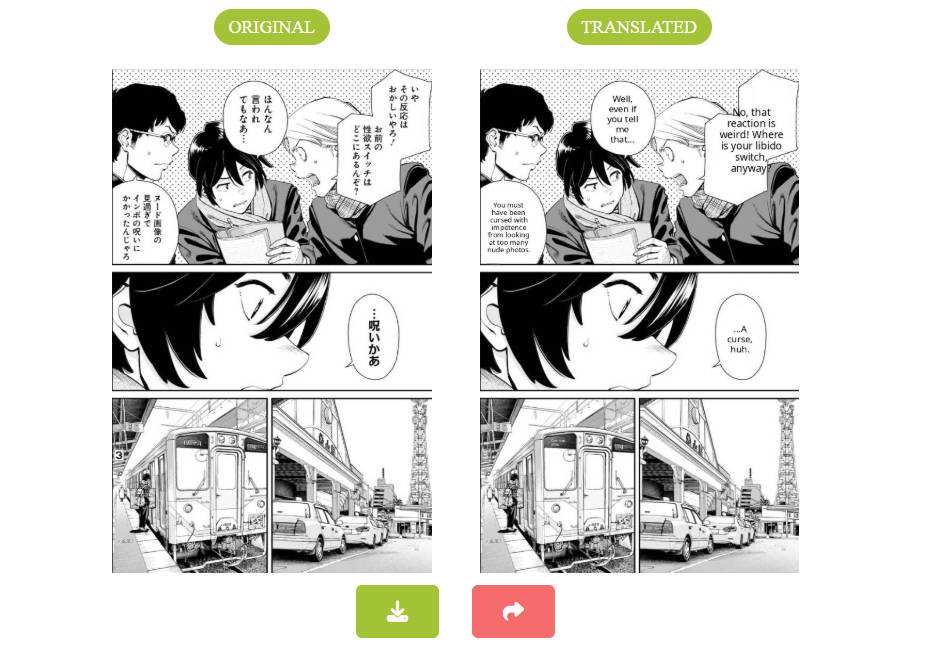
People who don't read manga regularly often assume that translation is simply replacing one language with another.
In reality, manga is much more complicated.
Characters have unique personalities reflected in the way they speak.
A tough rival might use short, aggressive sentences.
A shy character may speak indirectly.
A comedic character often relies on timing and wordplay.
Even when you understand the language, translating these nuances takes effort.
When helping my friend, I constantly found myself explaining things like:
Why a joke was funny in Japanese
Why a character used a particular honorific
Why a sentence sounded rude despite using polite words
That's when I realized that reading manga and translating manga are two very different experiences.
My First Test
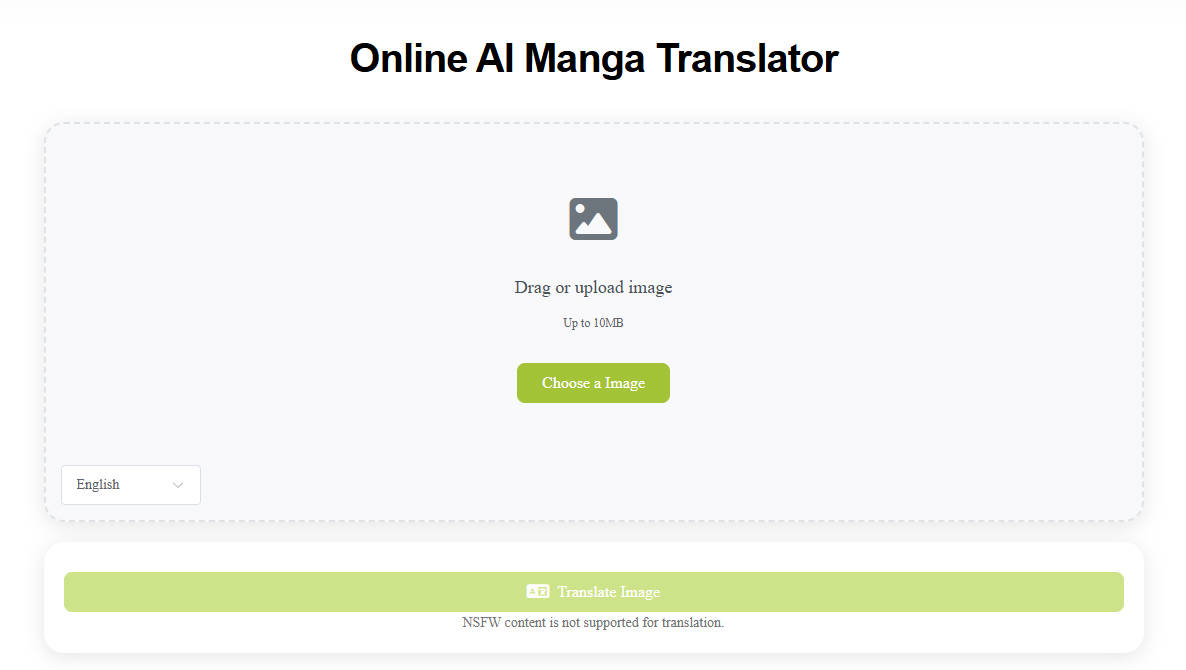
To see how useful this tool actually was, I uploaded several manga pages that my friend had been struggling with.
The process was refreshingly simple.
Upload the image.
Select the target language.
Wait a few seconds.
That was it.
There was no complicated setup, no software installation, and no lengthy onboarding process.
Within moments, I had translated pages ready to read.
The speed was the first thing that caught my attention.
Usually, image-based translation tools require multiple steps, especially when dealing with speech bubbles scattered across complex manga layouts.
This felt surprisingly smooth.
The Layout Preservation Was Better Than Expected
One of my biggest frustrations with many manga translation tools is how they handle page layouts.
Manga isn't just text.
The placement of dialogue contributes to pacing and storytelling.
When a translation tool destroys the original structure, reading becomes awkward.
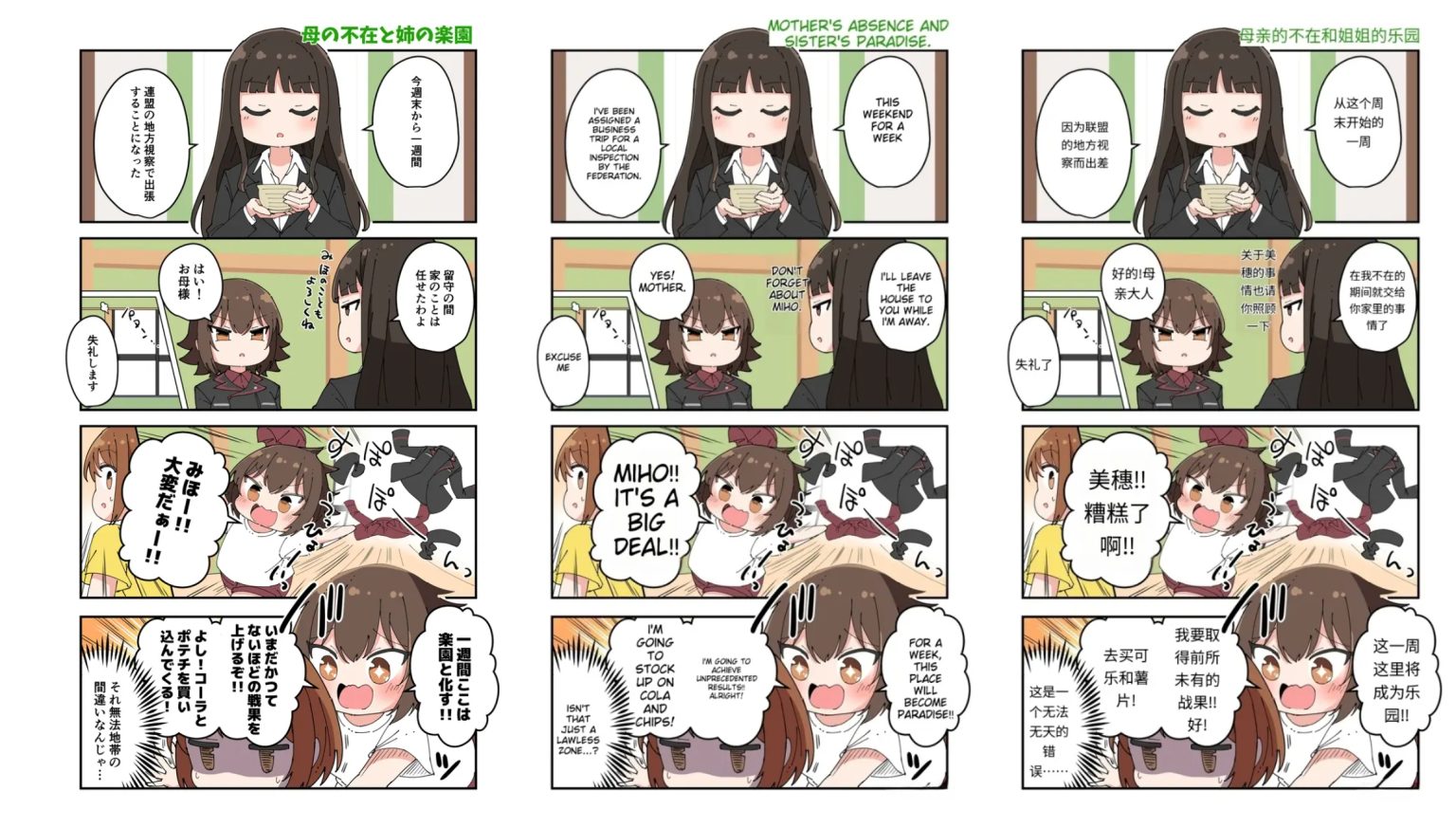
In this case, the translated pages largely preserved the original design.
Speech bubbles remained where they belonged.
Panels stayed intact.
The pages still looked like manga pages rather than heavily edited documents.
As someone who has spent hours manually rewriting text into image editors, I immediately appreciated this.
It saved a surprising amount of time.
What About Translation Quality?
Of course, speed doesn't matter much if the translation itself isn't readable.
So I paid close attention to how conversations were handled.
The results weren't perfect—no automated system is—but they were significantly better than I expected.
Dialogue generally felt natural.
Character personalities were often preserved.
Action scenes remained easy to follow.
Most importantly, my friend could finally understand what was happening without constantly asking for explanations.
There were even a few moments where I found myself thinking:
"Honestly, that's exactly how I would have translated that line."
That doesn't happen very often with automated translation tools.
A Funny Moment During Testing
One of the chapters we tested featured a classic manga misunderstanding scene.
You know the type:
One character says something completely innocent.
Another character interprets it in the most dramatic way possible.
Chaos follows.
These scenes can be difficult to translate because much of the humor depends on context.
I expected the joke to fall apart.
Instead, the translated version managed to preserve enough of the setup for the punchline to make sense.
My friend laughed at the scene without me having to explain it.
That was probably the moment I started taking the tool seriously.
Why It Became Useful Beyond Helping My Friend
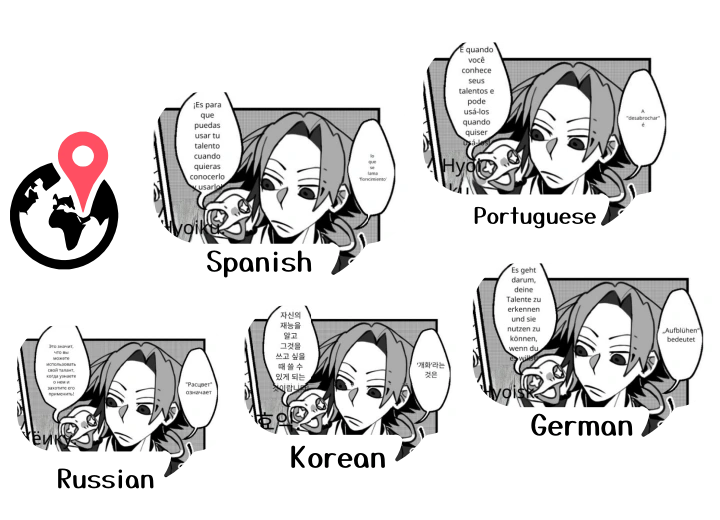
Originally, I only wanted a way to make manga easier for one person to read.
But after using it for several days, I realized there were many situations where an AI manga translator could be genuinely useful.
For example:
Exploring manga that hasn't been officially translated
Reading foreign comics and webtoons
Understanding preview chapters before localization releases
Quickly reviewing stories from different regions
The ability to instantly understand content removes a major barrier for readers who enjoy discovering new series.
Instead of waiting months for translations, you can get a general understanding almost immediately.
It Doesn't Replace Human Translators—and That's Fine
Whenever AI tools are discussed, people often ask whether they will replace professional translators.
After using this tool extensively, I don't think that's the right way to look at it.
Professional translation involves much more than converting words.
It involves:
Cultural adaptation
Tone consistency
Humor localization
Character voice preservation
Those elements still benefit greatly from human expertise.
However, for readers who simply want to understand a story, or for translators who need a quick first draft, tools like this can be incredibly valuable.
Rather than replacing people, they help eliminate repetitive work.
And honestly, that's where I found the biggest benefit.
Who Would Benefit Most?
After spending time with this manga translation tool, I think it works especially well for:
Manga fans reading international releases
Readers exploring untranslated series
Comic enthusiasts interested in foreign content
Language learners comparing original and translated text
Casual users who want fast access to stories
You don't need technical knowledge.
You don't need editing experience.
You don't even need prior translation skills.
If you can upload an image, you can use it.
Final Thoughts
What started as a favor for a friend unexpectedly turned into one of the more useful manga-reading tools I've tried recently.
I went in expecting another average translation service.
Instead, I found something that was fast, easy to use, and surprisingly effective for everyday manga reading.
What impressed me most wasn't that it translated text.
Plenty of tools can do that.
What impressed me was how smoothly the entire experience worked—from uploading pages to preserving layouts to producing readable dialogue.
Will it replace professional manga localization?
No.
Does it need to?
Also no.
For readers who want quicker access to stories and fewer language barriers, an AI Manga Translator can be a genuinely useful companion.
And if you're the friend who always ends up translating manga screenshots for everyone else, trust me—your evenings might become a lot less busy.

Join kiker on Peerlist!
Join amazing folks like kiker and thousands of other builders on Peerlist.
0
0
0