

From Flawed to Flawless: The Essential Guide to Photo Retouching Services
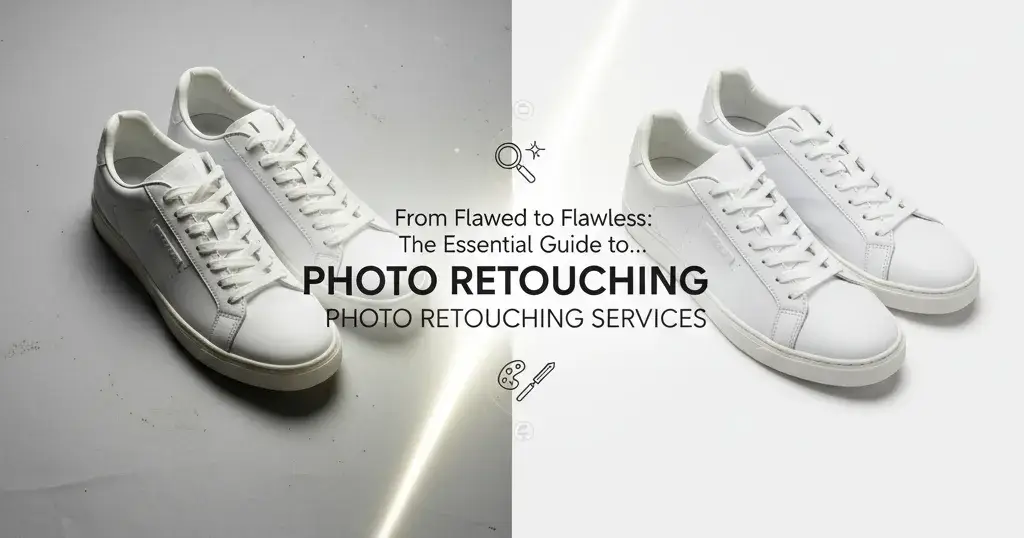
In today's visually driven world, a single image can determine the success of a product, the appeal of a brand, or the impact of a personal portrait. Raw, unedited photographs, no matter how well-shot, often contain minor imperfections—poor lighting, blemishes, distracting backgrounds, or inconsistent colors. This is where photo retouching services come in, transforming good images into stunning, professional-quality assets.
Photo retouching is the post-production process of altering an image to enhance its quality, correct imperfections, and achieve a desired look. Unlike basic photo editing (which typically involves cropping, brightness, and contrast), retouching is a more detailed and artistic process that can involve everything from subtle skin smoothing to complex background compositing.
Why Are Photo Retouching Services So Important?
For businesses and professionals, high-quality imagery is not a luxury; it's a necessity.
For E-commerce: Retouching is critical for online sales. It ensures products look consistent, appealing, and accurate. Removing backgrounds, correcting colors to match the real product, and cleaning up dust or smudges can directly impact a customer's purchasing decision and reduce return rates.
For Fashion & Beauty: This industry relies on high-end retouching to create polished, aspirational images for magazines, advertisements, and portfolios. This includes meticulous skin and hair retouching, body shaping, and creative color grading to set a mood.
For Portrait & Wedding Photography: Professional retouchers enhance the natural beauty of subjects. They can remove temporary blemishes, whiten teeth, reduce wrinkles, and balance skin tones, all while ensuring the person still looks like themselves.
For Businesses & Brands: Consistent, high-quality images across a website, social media, and marketing materials build brand trust and professionalism.
Key Techniques Used by Retouching Professionals
A professional photo retoucher has a wide array of techniques at their disposal. The level of complexity often defines the service, from basic touch-ups to high-end retouching.
1. Basic Retouching (Cleaning & Correction) This is the foundation for most professional images.
Color Correction: Adjusting white balance, exposure, contrast, and saturation to make the image vibrant and true-to-life.
Blemish & Spot Removal: Using tools like the Spot Healing Brush or Clone Stamp to remove temporary imperfections such as acne, dust, or sensor spots.
Background Removal: Isolating the subject of an image (like a product) and placing it on a clean white, transparent, or custom background.
Cropping & Resizing: Straightening and re-framing the image for better composition and formatting it for specific platforms (e.g., Amazon, Instagram).
2. High-End Retouching (Enhancement & Artistry) This advanced process is used for magazine covers, beauty ads, and high-fashion editorials.
Frequency Separation: A sophisticated technique that separates an image's texture (pores, hair) from its color and tone. This allows retouchers to smooth skin and correct colors without creating an artificial, "plastic" look.
Dodge & Burn: A non-destructive method of manually painting with light and shadow to add depth, dimension, and contour to a subject, such as enhancing cheekbones or making clothing folds pop.
Compositing: Combining elements from multiple photographs into one seamless image. This can be as simple as a head swap in a group photo or as complex as creating a fantastical scene.
Advanced Color Grading: Artistically manipulating colors to create a specific mood, atmosphere, or cinematic style.
Types of Professional Retouching Services
Most retouching studios categorize their services based on the subject and complexity.
Product Photo Retouching: Focused on e-commerce, this service includes background removal, color matching, shadow creation (to make the product look grounded), and removing reflections or imperfections on the product itself.
Portrait Retouching: Includes skin smoothing, teeth whitening, eye enhancement, hair cleanup (removing stray hairs), and subtle body shaping. The goal is a polished but natural look.
Beauty & Fashion Retouching: The most intensive service, involving all high-end techniques. It focuses on creating a flawless, idealized image while paying extreme attention to the texture of skin, fabric, and hair.
Real Estate Retouching: This involves color correction, sky replacement, perspective correction, and object removal to make properties look more appealing to potential buyers.
Photo Restoration: A specialized service that involves digitally repairing old, faded, or damaged photographs, fixing cracks, tears, and discoloration.
The Benefits of Hiring a Professional Service
While many editing tools are available to the public, a professional service offers distinct advantages that are difficult to replicate.
Time and Cost-Efficiency: Retouching is a time-consuming skill. Outsourcing allows photographers and businesses to focus on their core work—shooting pictures and running the company—instead of spending hours editing.
Expert Quality & Consistency: Professionals use calibrated monitors, advanced software, and years of experience to produce superior results. For a brand, this ensures all images have a consistent look and feel, which is crucial for brand identity.
Advanced Skills: High-end techniques like frequency separation and professional compositing require a high level of technical skill and artistic judgment that automated filters simply cannot match.
Scalability: A professional studio can handle a high volume of images (e.g., an entire e-commerce catalog) with a fast turnaround time, something an individual would struggle to manage.
In conclusion, photo retouching is an essential art form that bridges the gap between a raw photograph and a finished, professional asset. Whether for selling a product, capturing a memory, or building a brand, these services provide the polish, quality, and impact necessary to stand out in a crowded visual landscape.

Join Colby on Peerlist!
Join amazing folks like Colby and thousands of other builders on Peerlist.
0
6
0