

Bare-Metal Networking
Why We Use Direct Syscalls in Project Lwanga
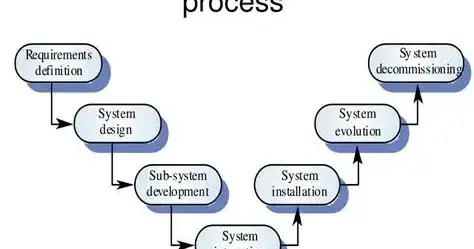
Lwanga is designed for high-performance systems utilities. When building network-aware services, systems engineers often face the "dependency tax" of the standard C library.
In Lwanga, we take a different path. We interface directly with the Linux kernel using LLVM-backed syscalls. This ensures that your network utilities are entirely self-contained, with no dynamic linking required and a memory footprint that is strictly predictable.
The Engineering Perspective: A TCP Connection Probe
Using syscalls 41 (Socket) and 42 (Connect), we can verify network availability with surgical precision. Here is the implementation of a lightweight connectivity check.
// Lwanga Systems Utility: Network Probe
// Minimalist approach to verifying service availability
fn main() -> u64 {
let socket_fd: i64;
let conn_status: i64;
// 1. Resource Allocation
// Initializing an AF_INET (2) Stream (1) socket
unsafe {
socket_fd = syscall(41, 2, 1, 0);
}
if (socket_fd < 0) {
return 1; // Resource acquisition failure
}
// 2. Deterministic Connection Check
// We bypass high-level wrappers to invoke syscall 42 directly.
// 'target_addr' is a pointer to a struct sockaddr_in (16 bytes).
unsafe {
conn_status = syscall(42, socket_fd, target_addr, 16);
}
// 3. Diagnostics
if (conn_status == 0) {
let ok_msg: str = "Probe: Success (Service Reachable)\n";
unsafe { syscall(1, 1, ok_msg, 35); }
} else {
let err_msg: str = "Probe: Failed (Service Unreachable)\n";
unsafe { syscall(1, 1, err_msg, 37); }
}
// 4. Resource Cleanup
unsafe {
syscall(3, socket_fd);
}
return 0;
}
Why this belongs in your Systems Toolkit:
Zero Runtime Overhead: No
libcmeans no hidden background threads or signal handlers. What you write is exactly what the CPU executes.Deterministic Binaries: Lwanga produces static binaries by default. A network probe like this is typically <10KB, making it perfect for container health checks or minimal OS environments.
LLVM Optimization: We leverage the LLVM backend to ensure the compiler generates highly efficient machine code, reducing the latency between your logic and the kernel interface.
Upvote on Peerlist: https://peerlist.io/cosmahke4/project/projectlwanga
Explore the Technical Tutorial: https://github.com/cosmah/Project-Lwanga
Systems Question: When designing a low-level language, would you prefer a more expressive type system for syscall arguments, or do you prefer the raw flexibility of i64 casting? Let us know in the comments!
Join Ssekirya on Peerlist!
Join amazing folks like Ssekirya and thousands of other builders on Peerlist.
0
6
0