

Today's Build: A Stealth TCP Port Prober
Why use a 5MB Python script when you can use an 8KB Lwanga binary?
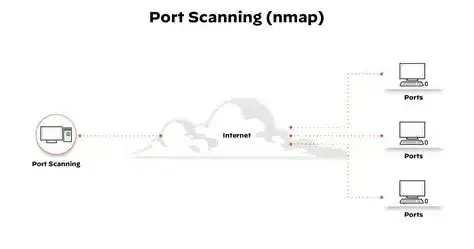
We are building a tool that checks if a specific port is open by attempting a connection at the syscall level. If the connect syscall returns 0, the port is open. If it returns a negative value (like -111 for Connection Refused), it's closed.
The Code: This code is based on the logic in Lesson 35 of the Lwanga tutorial. It uses syscall 41 (socket) and 42 (connect).
// Lwanga Port Prober
// Goal: Check if port 80 is open on localhost (127.0.0.1)
fn main() -> u64 {
let socket_fd: i64;
let result: i64;
// 1. Initialize Socket
// socket(AF_INET: 2, SOCK_STREAM: 1, Protocol: 0)
unsafe {
socket_fd = syscall(41, 2, 1, 0);
}
if (socket_fd < 0) {
return 1; // Failed to create socket
}
// 2. Connection Attempt
// Note: In a full implementation, you'd define the sockaddr_in struct.
// For this snippet, we assume 'addr_ptr' points to a pre-configured
// struct for 127.0.0.1:80.
unsafe {
result = syscall(42, socket_fd, addr_ptr, 16);
}
// 3. Evaluate and Report
if (result == 0) {
let open_msg: str = "Status: Port 80 is OPEN\n";
unsafe {
syscall(1, 1, open_msg, 24);
}
} else {
let closed_msg: str = "Status: Port 80 is CLOSED\n";
unsafe {
syscall(1, 1, closed_msg, 26);
}
}
// 4. Cleanup
unsafe {
syscall(3, socket_fd); // close()
}
return 0;
}
Why this is superior for Red-Teaming:
Anti-Forensics: By using direct syscalls instead of
connect()fromlibc, your binary doesn't show up in standard user-mode API logs used by many EDRs.Static Binaries: Lwanga produces binaries that don't need a dynamic linker. You can drop this 8KB file onto a target system and it will run without needing any libraries installed.
Raw Memory Control: You are manually managing the
sockaddrstructure, allowing you to craft non-standard packets for advanced scanning techniques later.

Join Ssekirya on Peerlist!
Join amazing folks like Ssekirya and thousands of other builders on Peerlist.
2
3
0