

What we are building with Pulseboard: anonymous daily signals before team problems become visible
Most workplace wellbeing tools start too late.
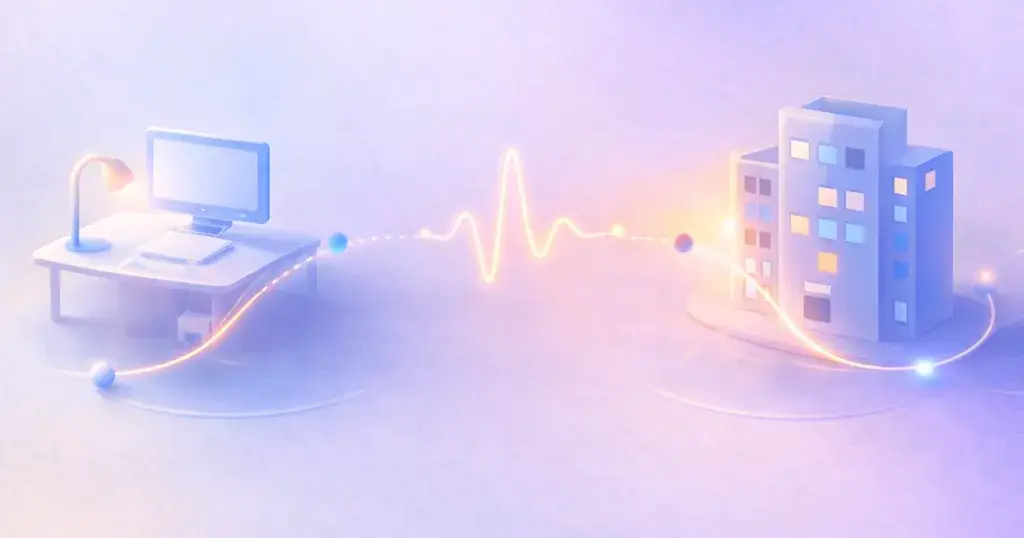
They ask people how they are doing after stress has already built up, after someone has already withdrawn, or after a manager already feels that something is wrong but cannot clearly see what is happening.
With Pulseboard, we are trying to build something earlier, lighter and safer.
The idea is simple:
What if every employee could send a small daily signal about how they are doing, without having to expose themselves immediately?
Not a long survey.
Not a heavy HR process.
Not a public confession.
Just a small anonymous check-in that helps people notice changes earlier.
Why anonymity matters
In many teams, people do not speak up when work starts to feel heavy.
Not because they do not care.
Not because they want to hide something.
But because the threshold is high.
People may think:
“I don’t want to complain.”
“It is probably not serious enough.”
“I don’t want to disappoint my manager.”
“I don’t know how to explain what I feel.”
“I will just wait and see if it gets better.”
That waiting period is exactly where many problems grow.
Pulseboard is designed to lower that threshold.
Instead of asking someone to immediately start a difficult conversation, we let them give a small anonymous signal first.
That signal can be about mood, energy, workload, stress, or emotional pressure.
The employee does not need to explain everything.
They do not need to make it official.
They do not need to identify themselves.
They can simply send a signal.
The daily check-in
The core of Pulseboard is a daily check-in.
It should take less than a minute.
A person can share how they feel that day through simple questions around things like:
mood
energy
workload
stress
emotional pressure
feeling connected or disconnected
The goal is not to judge the person.
The goal is to create a small personal rhythm.
Because one check-in is only a moment.
But repeated check-ins reveal a pattern.
If someone’s energy drops for several days, that matters.
If workload pressure keeps rising, that matters.
If someone’s emotional signal changes compared to their normal baseline, that matters.
Pulseboard helps make those changes visible earlier.
The employee sees their own signal first
One important principle in Pulseboard is that the employee should not feel watched.
The first signal goes back to the person themselves.
For example, Pulseboard may help someone notice:
“Your energy has been lower than usual for three days.”
“Your workload signal is rising compared to your normal pattern.”
“Your stress level seems to be changing this week.”
This gives the employee a private moment of awareness.
Sometimes that is already enough to take action.
They might decide to take a break, ask for help, adjust their workload, or start a conversation themselves.
The goal is to give the person ownership before the situation becomes bigger.
The trusted person receives an anonymous signal
When the pattern suggests that extra attention may be needed, Pulseboard can also send a signal to a trusted person.
This could be a team lead, HR person, wellbeing officer, coach, or another trusted role inside the organization.
But this is important:
The trusted person does not need to know exactly who sent the signal.
They receive an anonymous indication that something in the team may need attention.
That could mean:
someone’s stress pattern has changed
workload pressure is rising
emotional energy is dropping
one or more people may be struggling
the team’s general wellbeing signal is shifting
This does not expose the individual.
It simply tells the trusted person:
“Pay attention. Something may be changing.”
That person can then look around more carefully in real life.
They can create more space in the team.
They can ask better general questions.
They can check workload.
They can open a safer conversation.
They can be more alert without directly pointing at one person.
This is the bridge we are trying to create:
From silent struggle
to anonymous signal
to earlier awareness
to better human attention.
Pulseboard is not surveillance
This is a key part of what we are building.
Pulseboard should never feel like a monitoring tool.
We are not building it so managers can track employees as individuals.
We are building it to help teams notice early signals before problems become serious.
The difference is important.
Surveillance says:
“I am watching you.”
Pulseboard should say:
“You can safely send a signal before you are ready to speak.”
That is a completely different starting point.
Why this matters for remote and hybrid teams
In an office, people often notice small changes naturally.
Someone is quieter than usual.
Someone looks tired.
Someone avoids a conversation.
Someone seems overloaded.
In remote and hybrid teams, many of those small signals disappear.
People still attend meetings.
They still answer messages.
They still deliver work.
But emotionally, they may already be drifting away.
Pulseboard is designed to bring back some of that missing visibility, without adding another meeting and without forcing people to explain themselves too early.
A small daily check-in can become a lightweight emotional signal system for the team.
What we are working on now
Right now, we are working on the first version of this flow:
A simple daily anonymous check-in
Personal feedback for the employee based on their own pattern
Anonymous team-level signals for a trusted person
Early alerts when patterns change
Practical suggestions for follow-up
A safe way to move from signal to conversation
A clear privacy-first structure so people can trust the system
The hardest part is not the dashboard.
The hardest part is trust.
If people do not trust the system, they will not share honestly.
So we are designing Pulseboard around one core principle:
Make it easier to send a signal before it becomes necessary to raise your hand.
What we want to learn
We are currently looking for feedback from people who work in or lead remote and hybrid teams.
We want to learn:
Would you use a daily anonymous check-in?
What would make this feel safe?
What should a trusted person be allowed to see?
When should a signal stay private?
When should a team-level signal be shared?
What kind of follow-up would actually help?
How do we prevent this from feeling like another HR survey?
Our goal is not to create another engagement dashboard.
Our goal is to build a lightweight early-warning system for team wellbeing.
Not to replace human conversations.
But to make those conversations possible earlier.
Because sometimes people do not need a big intervention.
Sometimes they need a safe way to send the first signal.
Join Christian on Peerlist!
Join amazing folks like Christian and thousands of other builders on Peerlist.
0
0
0