

Why the web is free
In the depths of the RFC 1945 specification, one of the earliest formal specifications of HTTP, the protocol that underpins the Web, there is a ghost. We all know error 404 ("Not Found"). But a few lines up resides HTTP code 402: "Payment Required." Marked simply as "reserved for future use," this code has remained dormant for over three decades, a mute monument to the economic infrastructure the web promised and never delivered.
The web free nature was not a utopian ideological design, but an engineering accident. While pioneers like Ted Nelson dreamed of Project Xanadu, a system where every link was bidirectional and every citation generated an automatic royalty micropayment, Tim Berners-Lee opted for engineering pragmatism over embedded economic logic. The World Wide Web triumphed because it was simple and "stateless": the server forgot the user the moment it sent the file. It was a perfect system for sharing scientific documents, but incapable of processing a bank transaction.
In 1994, Marc Andreessen, co-founder of Netscape, attempted to correct this flaw. His team considered integrating a digital wallet directly into the Navigator browser, the software that was opening the network to the masses. The idea died against three concrete walls. First, regulation: holding money would turn a software startup into a bank subject to federal laws for which it was not prepared. Second, corporate friction: Visa and MasterCard were unwilling, and in many cases structurally unable, to support native web-based transactions. Third, geopolitics: the U.S. government classified the strong encryption required for secure payments as "munitions," prohibiting its global export.
Faced with the impossibility of moving money, the industry sought alternatives. Purist projects like David Chaum’s DigiCash or the SET protocol (a forced alliance between Microsoft and Visa) tried to create secure digital currency standards. They failed. They required users to install heavy software, manage complex digital certificates, and wait for eternal load times. In an era of dial-up connections, friction was death. The web needed a solution that worked now.
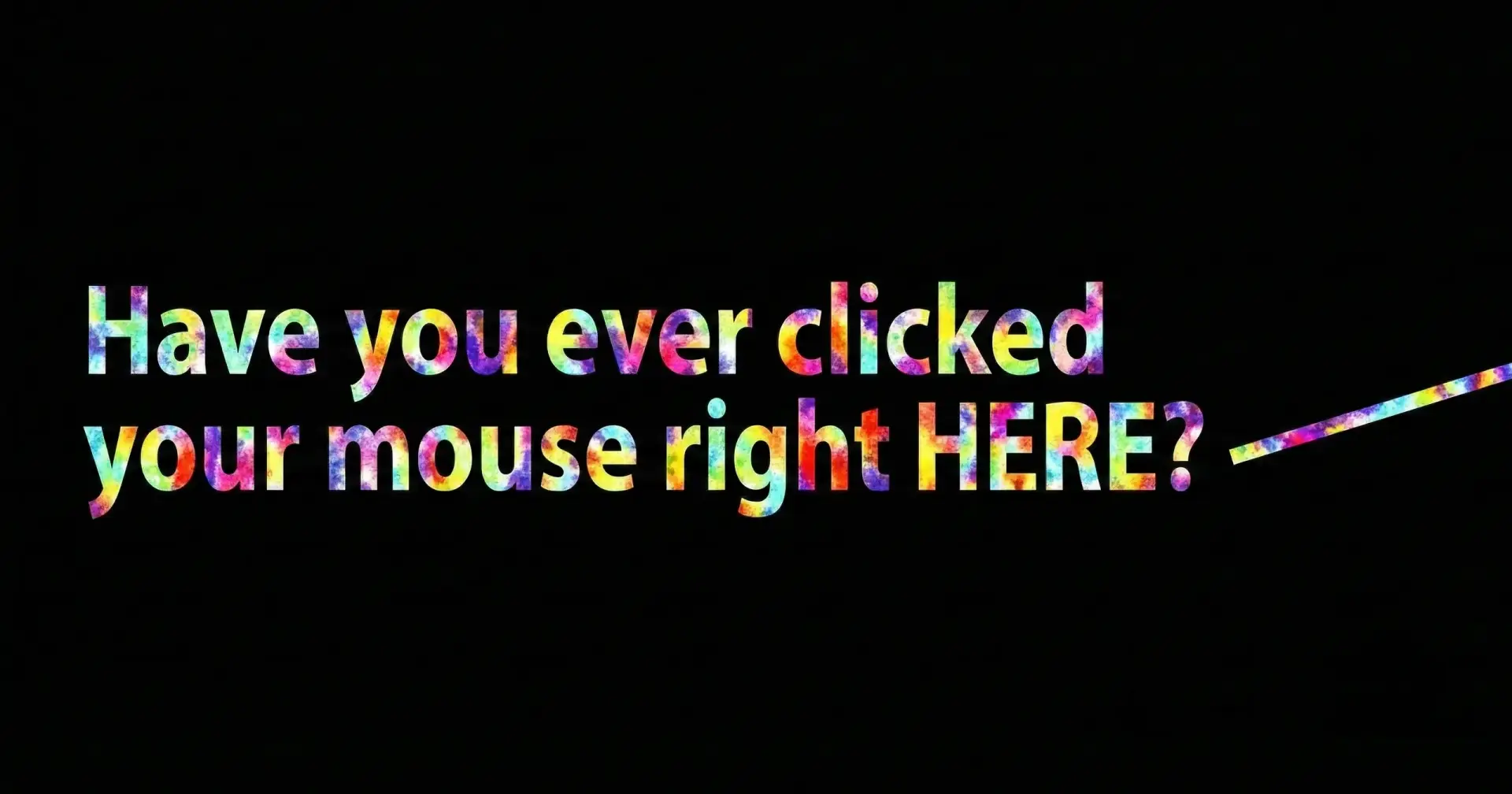
The solution arrived via the path of least resistance in October 1994. Wired magazine launched its portal, HotWired, and needed to pay its writers. They couldn't wait for banks to modernize. The sales team invented the "banner": a 468x60 pixel rectangle. The first ad, bought by AT&T, asked: "Have you ever clicked your mouse right HERE?" By contemporary accounts, 44% of visitors did.
To turn those clicks into a scalable business, a technical piece was missing "memory". Lou Montulli, a Netscape engineer, had just invented the "cookie" that same year for a benign function: keeping shopping carts full while the user browsed. It was a useful tool, but the nascent advertising industry, led by companies like DoubleClick, discovered they could exploit that technology to track user behavior across multiple sites.
The web became "free" simply because showing an ad (an image) was technologically easier and legally simpler than processing a five-cent transaction.

Join Decker on Peerlist!
Join amazing folks like Decker and thousands of other builders on Peerlist.
0
1
0