

Digital Dreams: The Future of Online Careers in the AI Era
Not that long ago, climbing the career ladder meant living in a major tech hub, landing a job at a traditional company, and following a very predictable, rigid path.
Today? That rulebook has been thrown out the window.
The explosion of artificial intelligence, remote collaboration tools, and global creator platforms has completely shifted the landscape. We’ve entered a reality where a talented individual can build a world-class career and compete on a global stage, regardless of their zip code.
The Rise of Digital-First Careers
The internet changed how we connect; AI is changing how we create. Today's professionals aren't just working harder, they're working smarter by partnering with AI to:
Accelerate deep research and complex problem-solving.
Generate and refine high-fidelity creative content and assets.
Automate the tedious, repetitive tasks that drain our daily energy.
Architect solutions and analyze massive datasets in seconds.
This fundamental shift means a single driven individual or a tiny, agile team can now ship products and achieve results that used to require massive corporate overhead.
Why Your Portfolio Speaks Louder Than Paper
Traditional milestones, like securing your spot in a top academic program, are still incredibly valuable foundational steps. But once you're in the door, the modern job market cares deeply about what you can actually do.
Employers and clients are actively looking for tangible proof of your skills. A student who actively pushes commits to open-source software, understands the intricacies of cloud-native infrastructure, or drafts high-level technical proposals for real-world AI adapters will easily stand out in a sea of standard resumes. In this era, a living portfolio and a hunger for continuous learning are your biggest unfair advantages.
New Avenues in the Creator Economy
The "creator economy" isn't just about making videos; it's about building independent, scalable businesses. Entirely new career lanes are opening up every day, including:
Niche software development and technical consulting.
Online education and digital community building.
Mastering advanced prompt engineering for commercial design and marketing.
Launching independent, AI-powered products and workflows.
The traditional gatekeepers are gone. Individuals now have direct access to the same global audiences and opportunities that were once strictly reserved for large organizations.
The Irreplaceable Human Element
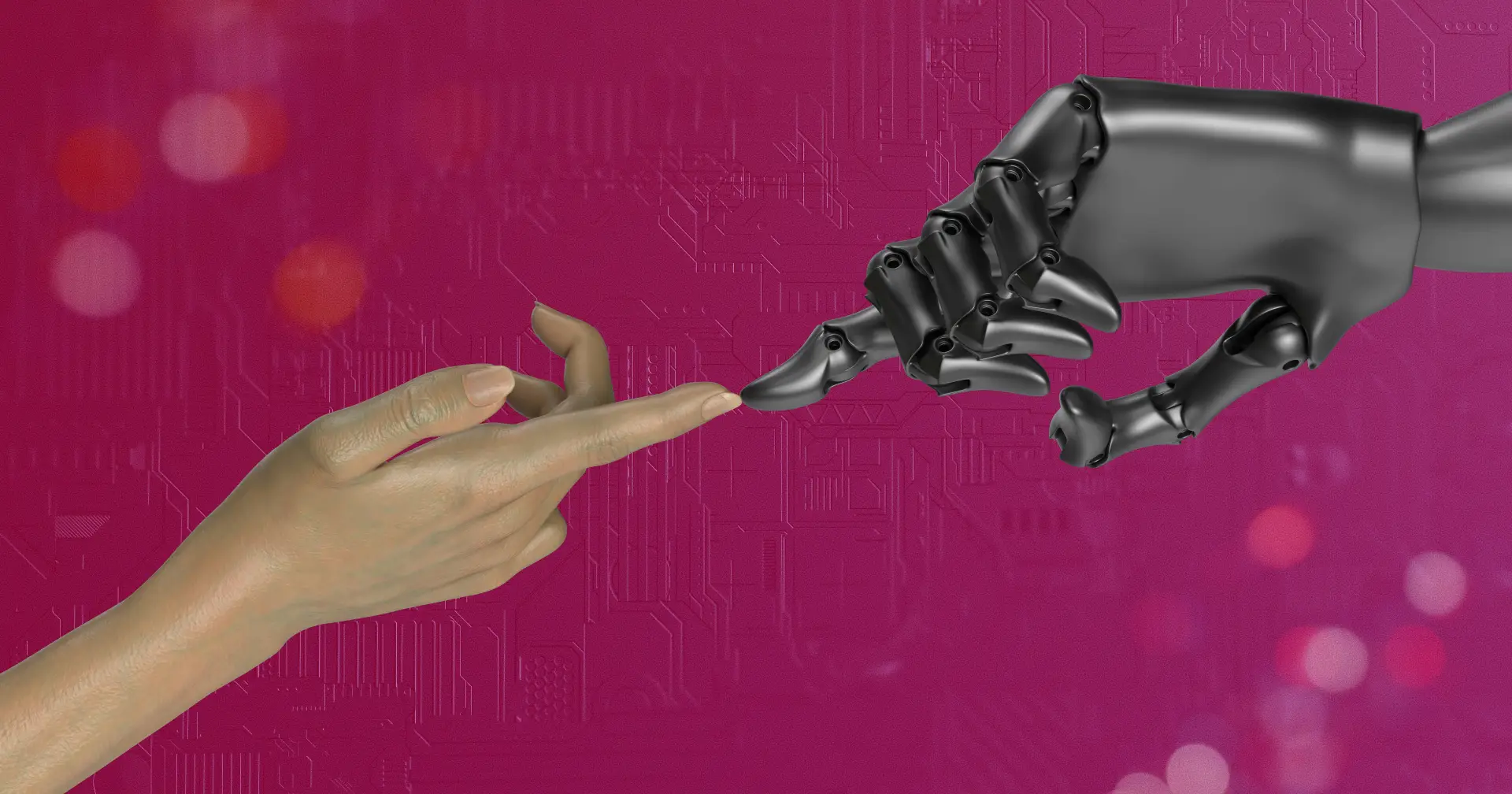
Here is the catch: AI is incredibly powerful, but it is not human. It cannot replicate your empathy, your leadership, your unique taste, or your critical judgment. An AI might help you write the code or generate an image, but it can't tell you why a certain solution matters to the end user.
The most successful professionals of the next decade will be the hybrids, those who view AI as a collaborative partner while doubling down on their deep technical literacy, raw human adaptability, and creativity.
Looking Ahead
The future of work belongs to those who lean into the pivot instead of resisting it. AI isn't just a new tool; it's a completely new frontier of possibilities.
Whether you're a student prepping for your upcoming semester, a developer contributing to open-source projects, or a creative entrepreneur, right now is the most exciting time in history to experiment, build, and dream a little bigger.
The digital economy is still being written. Will you hold the pen?
#AI #FutureOfWork #DigitalCareers #TechInnovation #ArtificialIntelligence

Join Dipanshu on Peerlist!
Join amazing folks like Dipanshu and thousands of other builders on Peerlist.
0
2
0