

I Avoided Social Media for Two Years Because It Felt Like a Scam
Turns out my design instincts were right all along. The algorithms just needed time to catch up.
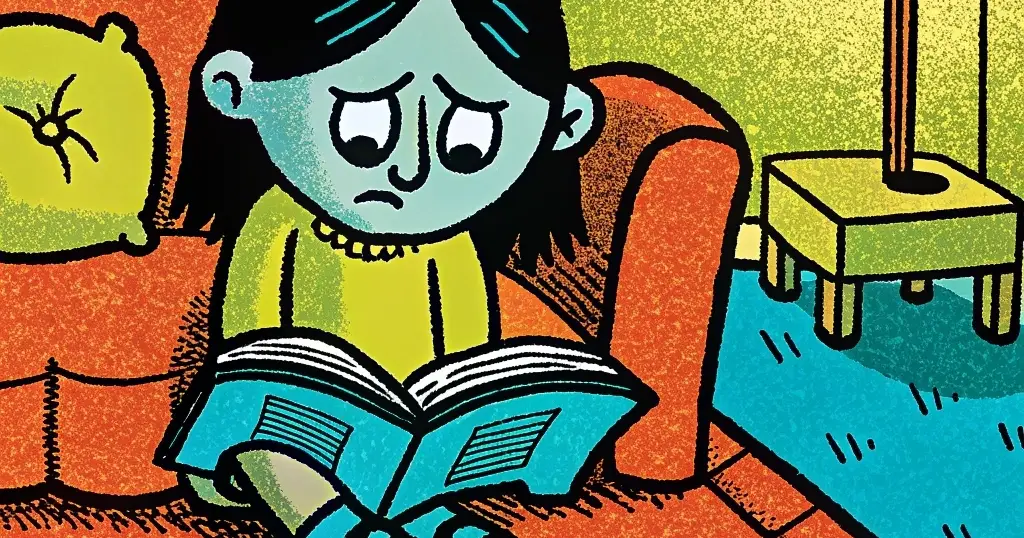
I spent two years actively avoiding social media while every business advisor, marketing consultant, and well-meaning friend told me I was committing career suicide.
"You need to build your personal brand," they'd say, as if I was a breakfast cereal that needed better shelf placement.
"Post 3x daily! Use these 47 hashtags! Follow/unfollow 200 accounts to game the algorithm! Buy some engagement to look legitimate!"
Every piece of advice made my skin crawl. It all felt like manipulation dressed up as marketing strategy. Like those dark patterns we spend our careers fighting against, except somehow this was called "growth hacking" and everyone pretended it was fine.
So I just... didn't. I designed products, worked with clients, and ignored the nagging feeling that I was falling behind everyone who'd figured out the social media game.
Then something weird happened. The thing I was avoiding because it felt gross started rewarding exactly the behavior I thought was right all along.
The Moment I Realized Something Had Changed
Here's the thing that finally convinced me social media had fundamentally shifted: my own experience on HackerNoon.
I wrote a piece about why SaaS pricing pages fail. Nothing fancy - just breaking down the design patterns that consistently confuse users and why teams keep repeating them. The kind of analysis I'd normally put in a client presentation, but shared publicly.
It got 2,407 reads. Over 6 days of total reading time. Three mentions across the web from people I'd never met.
This wasn't because I'd gamed some algorithm or followed a "content strategy." I just explained design thinking clearly and showed my work. The exact approach that every marketing advisor had told me wouldn't work - "too niche," "too technical," "you need broader appeal."
Meanwhile, I was watching polished marketing content from agencies with huge followings get a fraction of that engagement. Perfect photography, tested messaging, strategic posting schedules - all performing worse than me just explaining why a design pattern doesn't work.
Something fundamental had shifted, and I'd accidentally caught the wave by doing what felt natural instead of what felt strategic.
What Actually Changed (And Why I Was Wrong to Avoid It)
While I was busy feeling superior about not participating in the social media circus, the platforms were quietly having an existential crisis.
Trust in social media dropped to 42% globally. Not "had a rough quarter" – dropped to less than half of users believing anything they see is real or valuable.
Turns out when you spend years rewarding engagement bait, clickbait, and fake follower counts, people eventually notice they're being manipulated and leave. Who knew?
So the platforms panicked and overhauled their algorithms to reward the exact opposite of what they'd been pushing for years.
Instagram removed hashtag following entirely in December 2024. Just deleted it. That feature was the cornerstone of every "Instagram growth guide" for half a decade, and they killed it overnight because it was being gamed to death.
YouTube started actively demonetizing "mass-produced, generic content." TikTok shifted away from broad virality toward hyper-specific niche targeting.
All those growth hacks that marketing people built entire careers around? Platforms systematically killed them because they were destroying user trust and, more importantly, destroying ad revenue.
The uncomfortable truth I had to accept: my instinct to avoid social media wasn't wrong. Social media in 2023 genuinely was a scam. But 2025 social media is a different thing entirely.
The Design Skills That Suddenly Matter
Here's what makes me irrationally annoyed: the skills that now determine social media success are the exact skills I already had.
Visual hierarchy matters more than viral tricks. Instagram's algorithm now prioritizes "watch time per reach" and "sends per reach." Translation: does your content actually provide value, or are people scrolling past it immediately?
If you know how to create clear hierarchy, use white space effectively, and guide someone's eye through a composition, you're already ahead of 90% of people trying to "do content." That's literally first-week design school stuff.
Understanding user psychology beats growth hacks. The content that performs best now answers a simple question: "What problem does this solve for the person seeing it?"
You know, like UX design. The entire discipline we already practice. Except applied to a social post instead of a product interface.
Quality metrics replaced vanity metrics. Follower count doesn't matter anymore. Platforms care about whether people actually engaged with your content in meaningful ways – saved it, shared it with specific people, left thoughtful comments.
These are the exact signals we use to measure whether a design is working. High engagement isn't always good (might indicate confusion). Saves and shares indicate actual value.
The Data That Made Me Feel Stupid for Waiting
User-generated content – the kind that looks like a human made it – gets 4x higher click-through rates than polished marketing content. It's viewed as 2.4 times more authentic.
So all that time I spent feeling unprofessional for not having "brand photography" and "professional content creation"? I was accidentally doing the thing that performs better.
Employee-generated content gets 8x higher engagement than corporate posts. Turns out the "professional brand voice" that marketing departments spent years perfecting actively kills engagement now.
And here's the kicker: AI-generated content makes up 71% of social images now. Users have developed this sixth sense for it – they scroll past without engaging because it all looks technically competent but emotionally hollow.
What stops the scroll? Content with genuine human perspective and creative direction. The things AI can't replicate. The things designers are trained to do.
I spent two years avoiding social media because I didn't want to become a marketer. Turns out I missed the exact moment when design skills became more valuable than marketing skills.
What Actually Works (And I Hate That This Surprised Me)
The first post that got real traction for me was embarrassingly simple. I screenshotted a messy Figma file mid-process, explained a hierarchy decision I was struggling with, and asked if anyone had thoughts.
Nothing polished. No professional photography. No carefully crafted caption. Just "here's a thing I'm thinking about, what do you think?"
It performed 10x better than the "professional" portfolio piece I posted the week before.
Authentic beats polished. Every single time. This shouldn't have surprised me – I tell clients this about product design constantly. But somehow I thought social media would be different.
The content that consistently performs:
Design breakdowns showing actual thinking process
Before/afters with honest context about what didn't work
Specific design decisions explained briefly
Questions to the community about hard problems
Basically, treating social media like a design critique session instead of a marketing channel.
The Part Where I Admit I Was Being Precious
I need to be honest about why I really avoided social media for so long.
It wasn't just that the tactics felt gross. It was that I didn't want to be visible. I didn't want to put my work out there for judgment. I didn't want to explain my thinking and have people disagree.
The marketing advice was a convenient excuse. "I don't want to play those games" sounds principled. "I'm scared people will think my work is mediocre" sounds pathetic.
But here's what changed my mind: I realized staying invisible wasn't protecting my work. It was ensuring nobody ever saw it.
The first few posts were genuinely uncomfortable. I'd hover over "post" for five minutes, second-guessing everything. I'd check engagement obsessively, feeling my stomach drop when a post got low reach.
This is where my design brain actually helped. I treated it like user testing – not every test yields useful results, not every post will perform well, and that's information rather than judgment.
Some posts I'm proud of get nothing. Some throwaway observations go viral. The algorithm is like a user with attention deficit disorder – you can't predict what will resonate, you just keep testing.
How to Actually Start Without Hating Yourself
The advice that helped me most was stupidly simple: just document what you're already doing.
You're making design decisions anyway. Screenshot the before/after. Record 60 seconds explaining your thinking. Share a principle you learned. Post a question you're struggling with.
This isn't creating "content" – it's making your existing work visible.
I created three Figma templates for posts. Took an hour. Now I spend maybe 20 minutes a week turning existing work into shareable format. It's less time than I spend organizing my files.
The uncomfortable part isn't the time commitment. It's the vulnerability of having opinions in public. But that's also what makes it valuable – showing your thinking differentiates you from AI-generated slop.
Why This Actually Matters (And I'm Still Processing This)
The creator economy is supposedly growing from $250 billion to $500 billion by 2027. That's doubling in three years.
Who's positioned to capture that growth? Not viral content chasers or growth hackers. People who create quality consistently and understand visual communication.
That's designers. That's us.
I spent two years worried that participating in social media would compromise my integrity as a designer. Turns out not participating was compromising my career.
The platforms finally caught up to what we've known all along: quality matters more than quantity, authenticity beats polish, user value trumps manipulation.
My design instincts were right. I was just early. And being early while everyone tells you you're wrong is exhausting.
What I Wish Someone Had Told Me Two Years Ago
Stop waiting for permission to share your work. You don't need a content strategy or brand guidelines or approval from anyone.
The skills that make you good at design are exactly what works on social media now. Visual hierarchy, user psychology, quality over quantity – this is design thinking applied to a different medium.
Trust your instincts. If something feels manipulative or spammy, it probably is. Your design gut is more valuable than any marketing framework.
And maybe most importantly: the discomfort of being visible is temporary. The discomfort of staying invisible is permanent.
I wish I'd started two years ago when I first felt that resistance. Not because I missed out on followers or engagement, but because I missed two years of conversations with other designers, feedback on my thinking, and opportunities I'll never know about.
The resistance I felt wasn't about social media being wrong. It was about being scared to be visible.
Turns out the platforms fixed themselves while I was hiding. The algorithms reward exactly what designers are good at now.
The only thing stopping me was me.
A Note on the Research
The data and trends in this piece come from research I did with Alex Halchenko on how social media algorithms have shifted to reward design thinking over traditional marketing tactics. We spent weeks tracking platform changes, analyzing engagement patterns, and talking to designers about what was actually working versus what marketing gurus were still selling.
If you want the full breakdown with all the platform-specific numbers and uncomfortable projections about where this is heading, Alex published the complete research here: Social Media Marketing Essentials: Why Designers Are Winning in 2026.
You can find more of my work and thinking about design at DNSK.WORK.

Join Tanya on Peerlist!
Join amazing folks like Tanya and thousands of other builders on Peerlist.
0
13
0