

Asana Call Automation: Manage Tasks and Projects Using Voice Instead of Typing
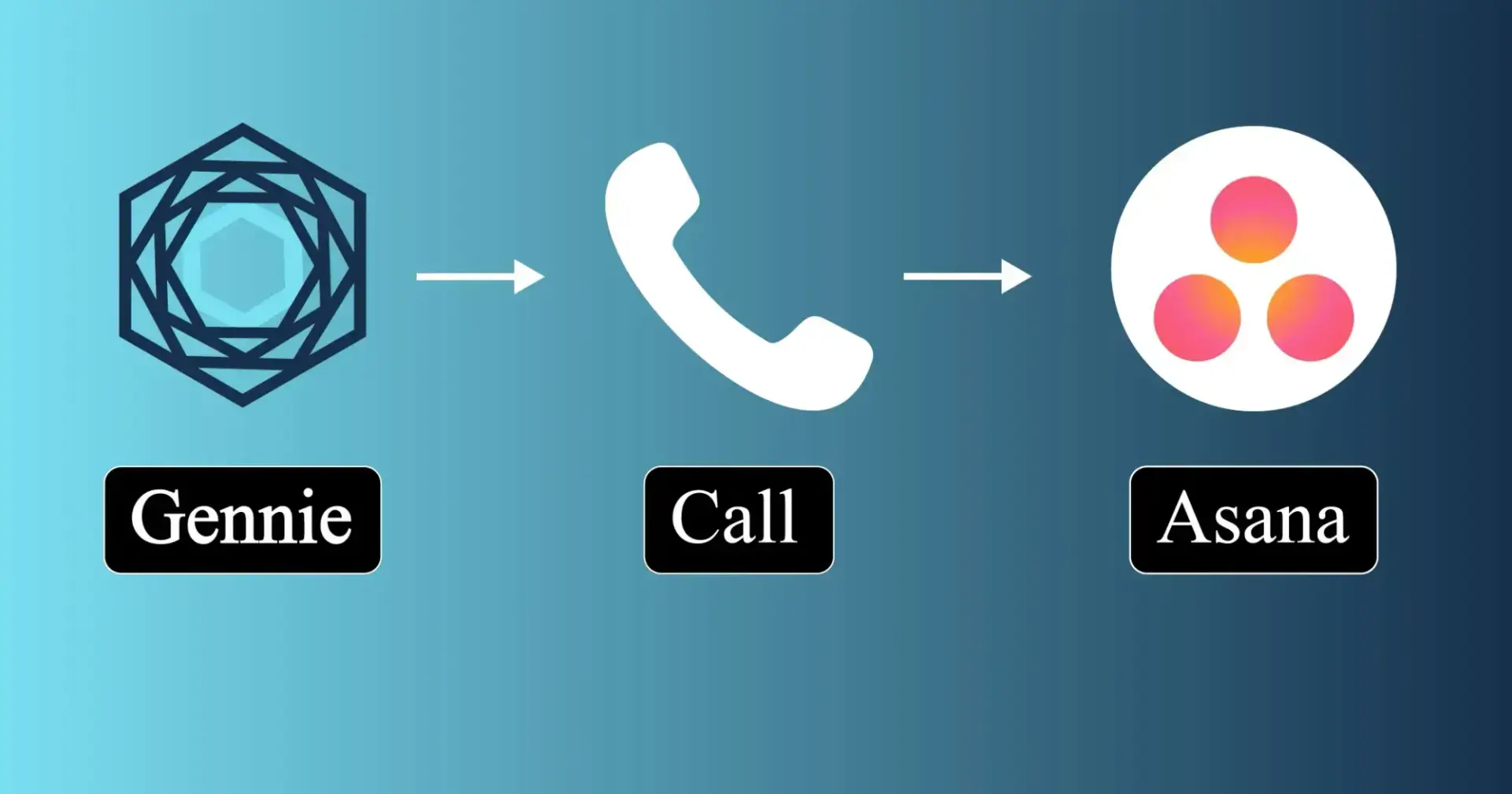
Asana is one of the most widely used project management platforms for organizing work, tracking progress, and aligning teams. From startups and SaaS companies to healthcare providers and logistics firms, teams rely on Asana to keep projects moving. However, despite its powerful features, one problem persists across industries: Asana still relies heavily on manual typing and screen-based updates.
Managers, founders, and field teams often work away from their desks. They’re in meetings, traveling, supervising operations, or coordinating remotely. In these moments, updating tasks, assigning work, or checking project status in Asana becomes inconvenient or delayed. This is where the concept of an Asana call is transforming how teams interact with their project management tools.
What Is an Asana Call?
An Asana call allows users to manage Asana via voice commands or phone. Instead of opening the app and typing updates, you simply speak your instructions, and the system performs the action automatically inside Asana.
For example, you can say:
“Create a new task in Asana - follow up with the client by Friday.”
or
“Mark the design review task as completed.”
Your voice becomes the input, and Asana updates in real time.
This approach removes friction from task management and enables faster, more natural workflows, especially for professionals who are constantly on the move.
Why Traditional Asana Workflows Slow Teams Down
Asana is effective, but the way people use it creates bottlenecks. Teams often rely on memory to update tasks later, copy notes from calls into Asana, or wait until the end of the day to log progress. These delays create information gaps, missed deadlines, and reduced visibility.
For field teams and on-ground staff, the challenge is even greater. Many don’t have continuous access to laptops or a stable internet connection. As a result, task updates are shared via calls or messages and manually entered later by someone else, if at all.
An Asana call eliminates this gap by allowing updates during the conversation itself.
How Voice-Based Asana Calls Improve Productivity
Voice is the fastest and most natural way humans communicate. When combined with automation, it becomes a powerful productivity tool.
With an asana call, users can:
Create tasks while speaking
Update task status instantly
Assign work without switching apps
Add comments and notes verbally
Request summaries of ongoing projects
Instead of breaking focus to type, users can continue working while Asana stays up to date in the background.
This hands-free approach dramatically improves adoption. People update tasks more consistently because it no longer feels like extra work.
Use Cases Across Industries
In healthcare, administrators and care coordinators use Asana calls to manage operational tasks, patient coordination workflows, and internal projects. Updates can be spoken about during rounds or between appointments, ensuring nothing is missed.
In fintech and financial services, teams use voice-driven Asana updates to track compliance tasks, audits, and customer onboarding workflows. Voice updates reduce delays and improve accuracy during high-volume operations.
For SaaS and technology companies, Asana calls enable product managers and engineers to update sprints, bugs, and feature requests during meetings or standups without opening laptops.
In logistics, construction, and field operations, workers receive or place calls to report job status. Their spoken updates automatically reflect in Asana, giving managers real-time visibility without manual reporting.
In remote and distributed teams, Asana calls reduce the need for frequent check-in meetings. Team members update tasks verbally from anywhere, keeping projects aligned across time zones.
Across all industries, the benefit is the same: faster updates, better visibility, and reduced administrative overhead.
How Gennie Enables Asana Call Automation
To make asana calls practical and scalable, businesses need an AI-powered voice layer that understands intent and executes actions. This is where Gennie comes in.
Gennie is an AI voice-powered assistant that connects directly with Asana. It allows users to manage tasks and workflows using voice commands or phone calls, without typing or navigating the app.
With Gennie, teams can:
Update Asana tasks via phone call
Create and assign tasks using natural speech
Collect updates from team members automatically
Keep projects updated in real time
Gennie turns Asana into a voice-operated system, one that listens, understands, and acts.
Why Asana Calls Are Ideal for Leaders and Teams
For CEOs and founders, time is the most valuable resource. Asana calls allow them to manage priorities, assign work, and stay informed while traveling or between meetings.
For managers, voice-based updates reduce follow-ups and status check-ins. Instead of chasing updates, they receive real-time information automatically.
For teams, especially those in the field or working remotely, Asana calls remove the burden of documentation. They can focus on execution while the system handles updates.
The result is higher productivity and stronger accountability across the organization.
The Shift Toward Voice-First Project Management
Project management tools were built for screens, but work doesn’t always happen at a desk. Voice-first interaction bridges that gap by allowing people to update systems in the moment.
As businesses adopt AI-powered voice automation, Asana calls will become the standard way to manage work, not an exception. Teams that adopt this approach early will experience smoother workflows, fewer delays, and better project visibility.
Final Thoughts
An asana call transforms task management from a manual chore into a natural conversation. By enabling voice-based updates and automation, businesses can keep Asana aligned with real-world activity at all times.
Platforms like Gennie make this possible by combining intelligent voice understanding with direct Asana integration. Whether you lead a healthcare team, a fintech operation, a SaaS startup, or a logistics workforce, Asana calls help you move faster and work smarter.
Instead of typing tasks later,
You speak once, and Asana updates instantly.

Join Vishal on Peerlist!
Join amazing folks like Vishal and thousands of other builders on Peerlist.
0
2
0