

Choosing a HIPAA Compliant Telemedicine Platform: What Healthcare Teams Should Know
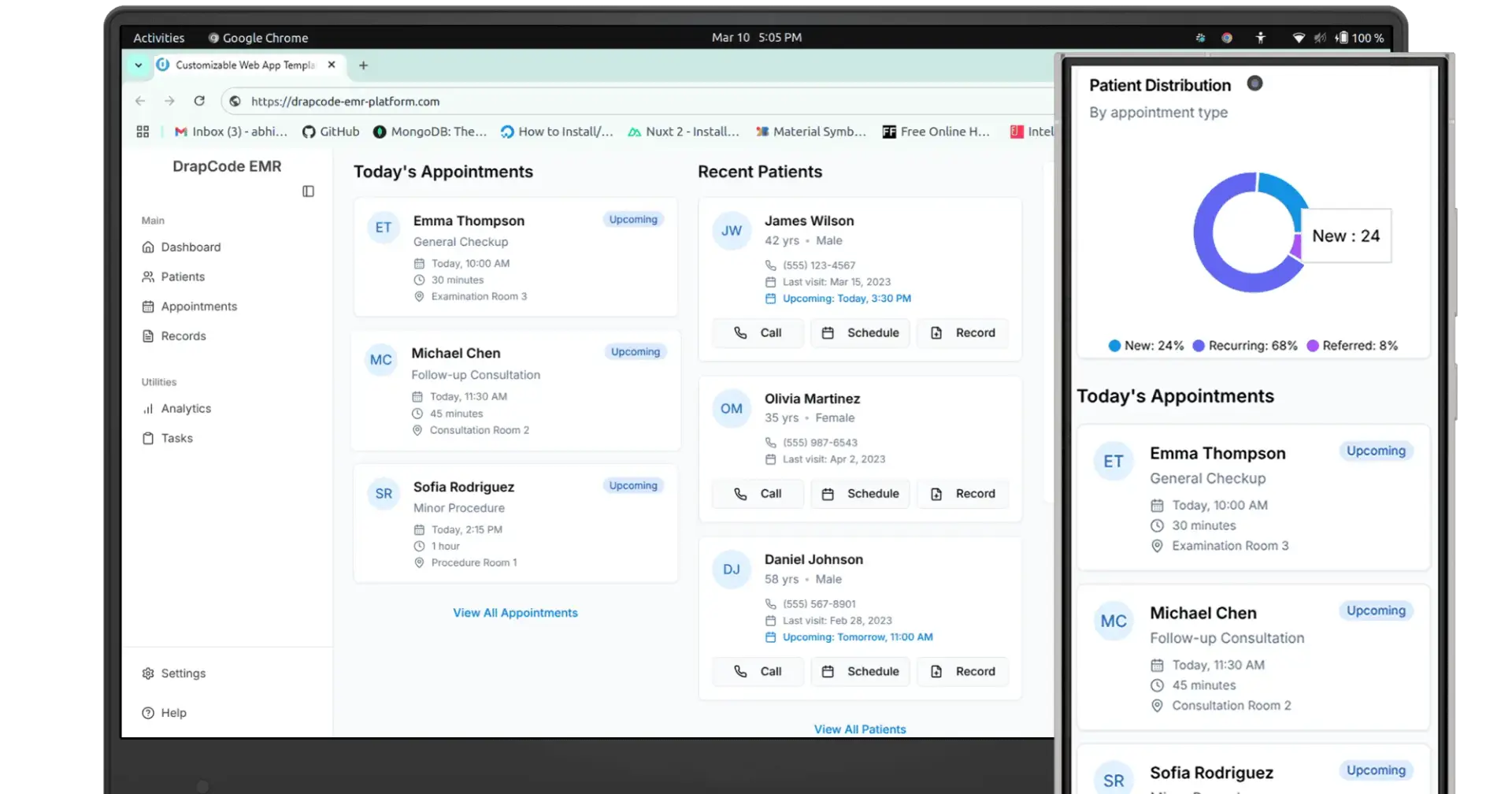
Telemedicine has evolved from a convenience feature to a core healthcare delivery model. Clinics, hospitals, and independent practitioners now rely on virtual consultations to improve access, reduce wait times, and provide continuous patient care. However, with increased digital communication comes a major responsibility to protect sensitive patient information. This is why selecting a HIPAA-compliant telemedicine platform is one of the most important decisions healthcare organizations make when adopting virtual care.
In 2026, telehealth systems will no longer be limited to video calling. They include scheduling workflows, patient records, digital prescriptions, monitoring tools, and payment processing. A secure telemedicine platform ensures these processes operate efficiently and comply with strict privacy regulations.
Why Compliance Matters in Telemedicine
Healthcare data is among the most sensitive categories of personal information. Unauthorized exposure can lead to legal consequences, financial penalties, and loss of patient trust. Regulations such as HIPAA require healthcare providers to implement safeguards that protect patient confidentiality across digital systems.
Without compliant platforms, risks include:
Unauthorized access to medical records
Unsecured communication channels
Improper data storage
Lack of auditability
Insecure integrations with third-party services
A properly designed telemedicine platform addresses these concerns by embedding privacy and security into every interaction.
What Makes a Telemedicine Platform HIPAA Compliant
A HIPAA-compliant telemedicine platform is not defined by video capability alone. Compliance depends on multiple technical and operational safeguards.
1. Secure Communication
Video sessions and messaging must be encrypted end-to-end to prevent interception.
2. Access Control
Role-based permissions ensure only authorized staff can view or modify patient data.
3. Audit Logs
Systems must record activity history for compliance reviews and security investigations.
4. Data Encryption
Both stored and transmitted data must be encrypted using industry-standard protocols.
5. Business Associate Agreements (BAA)
Vendors handling protected health information must formally accept compliance responsibilities.
Together, these measures create a secure virtual care environment for providers and patients.
Core Features of Modern Telemedicine Systems
Beyond compliance, telemedicine platforms must support daily clinical workflows. Healthcare teams typically require more than video consultation capabilities.
Appointment Scheduling
Automated booking, reminders, and calendar synchronization reduce missed appointments and improve operational efficiency.
Digital Patient Intake
Online forms allow patients to submit their medical history and symptoms before consultations.
Clinical Documentation
Providers can document visits directly within the platform for better record continuity.
ePrescriptions & Orders
Doctors can share prescriptions and recommendations digitally without separate systems.
Billing & Payments
Integrated payment workflows simplify reimbursement and patient transactions.
Patient Communication
Secure messaging enables follow-ups and ongoing care coordination.
Benefits for Healthcare Providers and Patients
For Providers
Reduced administrative workload
Improved patient reach and accessibility
Better continuity of care
Simplified documentation workflows
For Patients
Convenient access to care from home
Faster consultation scheduling
Better communication with providers
Reduced travel and waiting time
Telemedicine expands access to care while maintaining clinical efficiency.
AI’s Role in Telemedicine Platforms
Artificial intelligence is increasingly integrated into telemedicine workflows. Modern systems now support:
Automated triage recommendations
Intelligent appointment routing
Symptom analysis assistance
Documentation support
Follow-up reminders based on patient behavior
These capabilities help providers focus more on clinical decision-making rather than administrative coordination.
Customization and Workflow Flexibility
Healthcare organizations vary widely in how they deliver care. A rigid telemedicine system may not align with real-world clinical processes. As a result, providers prefer configurable platforms that allow them to:
Define consultation workflows
Customize patient intake forms
Adjust communication protocols
Integrate with existing EHR systems
Support specialty-specific care models
Solutions such as telemedicine platforms enable healthcare teams to structure digital care processes to meet their operational needs rather than adapt to fixed software limitations.
How to Evaluate a HIPAA Compliant Telemedicine Platform
When selecting a telehealth solution, healthcare organizations should assess several factors:
1. Security Infrastructure
Verify encryption standards, access controls, and audit capabilities.
2. Workflow Integration
Ensure compatibility with scheduling, records, and billing processes.
3. Ease of Use
Providers and patients should be able to use the platform without extensive training.
4. Scalability
The platform should support growth in patient volume and services.
5. Vendor Accountability
Confirm availability of Business Associate Agreements and compliance documentation.
The Future of Secure Virtual Care
Telemedicine adoption continues to grow as hybrid care models become standard practice. Future developments may include:
Remote monitoring integration
AI-assisted clinical insights
Personalized patient engagement
Predictive care recommendations
Automated compliance monitoring
Security will remain central as digital care expands beyond video consultations into full care ecosystems.
Final Thoughts
Virtual healthcare delivery depends on both accessibility and trust. A reliable HIPAA-compliant telemedicine platform enables providers to deliver remote care while safeguarding patient privacy and meeting regulatory standards. By combining secure communication, workflow automation, and flexible configuration, modern telemedicine solutions enable healthcare organizations to deliver efficient, patient-centered care.
Healthcare teams that adopt secure telemedicine systems today will be better prepared for the evolving digital healthcare landscape in the years ahead.

Join Vishal on Peerlist!
Join amazing folks like Vishal and thousands of other builders on Peerlist.
0
0
0