

Understanding Electronic Health Record (EHR) Software: What You Need to Know
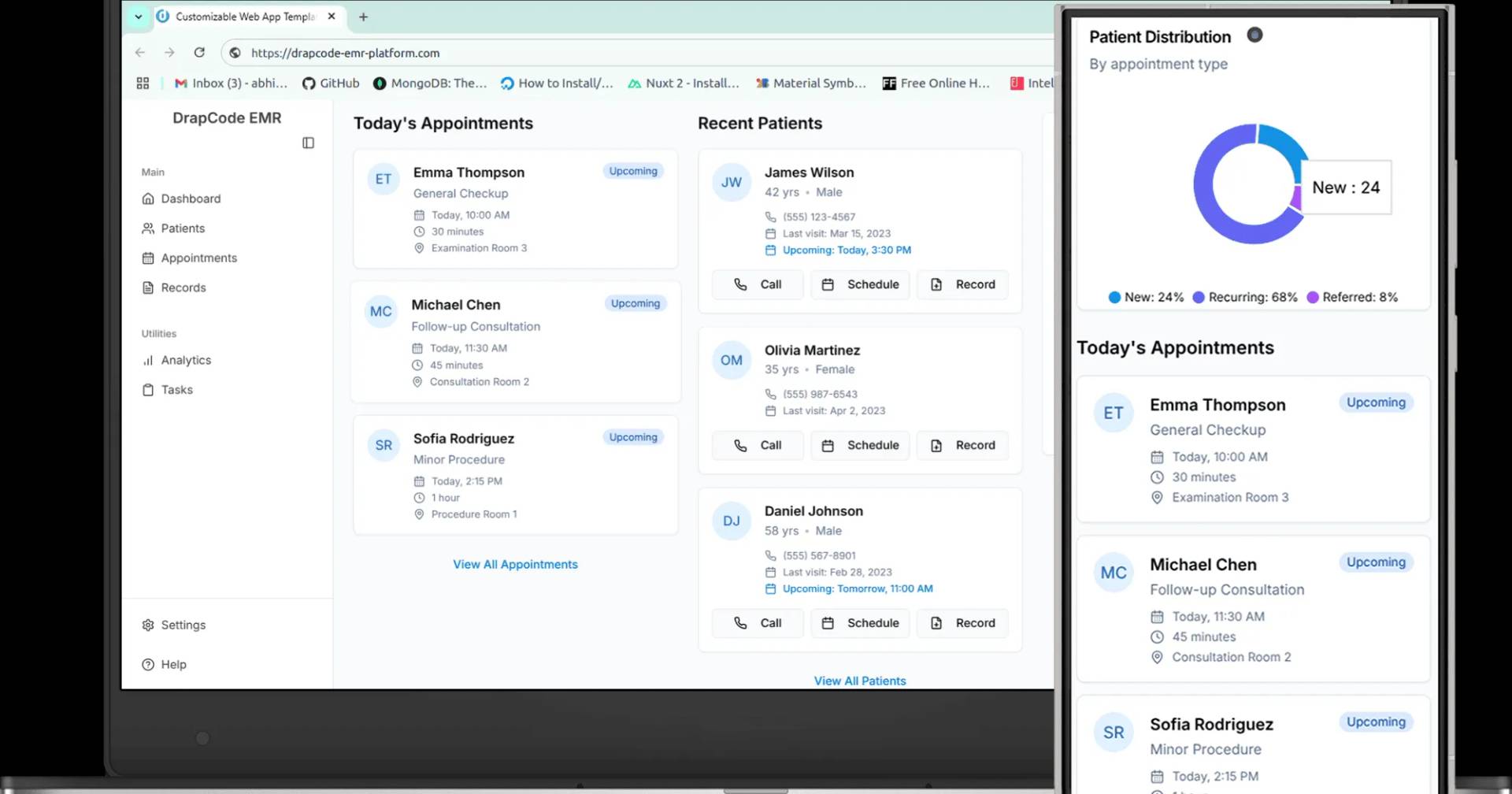
In today’s fast-moving healthcare landscape, electronic health record (EHR) software has become essential for improving patient care, streamlining workflows, and maintaining regulatory compliance. Yet, for many clinics, hospitals, and developers, choosing or building the right EHR system can be a complex decision.
This article breaks down what EHR software is, why it matters, and how modern approaches—including no-code development—are shaping the future of digital health.
What Is Electronic Health Record (EHR) Software?
Electronic health record (EHR) software is a digital system used by healthcare providers to store, manage, and retrieve patient data. Unlike paper records, EHRs offer real-time access to a patient’s medical history, treatment plans, medications, lab results, and more.
EHR software is not just a digital filing cabinet. It's a powerful tool that supports:
Patient scheduling
Clinical documentation
Prescription management
Diagnostic results
Billing and insurance claims
Communication between providers
These features help reduce errors, improve coordination, and enhance overall patient outcomes.
Key Features to Look For in EHR Software
Not all EHR systems are created equal. Here are some core functionalities that modern systems should offer:
1. Customizable Templates
Each medical specialty has unique documentation needs. Customizable templates allow clinicians to capture relevant information without unnecessary clutter.
2. Secure Access and Role Management
Patient data is sensitive. EHR systems should offer robust authentication, access controls, and audit trails to protect personal health information.
3. Interoperability
EHRs should integrate seamlessly with labs, pharmacies, imaging centers, and other third-party systems using HL7 or FHIR standards.
4. Mobile and Remote Access
Providers should be able to access records securely from any location—whether in a hospital, clinic, or remote setting.
5. Reporting and Analytics
Built-in analytics tools help track performance, monitor compliance, and support population health management initiatives.
The Rise of No-Code Platforms for EHR Development
Building a fully functional EHR used to be a task reserved for large IT teams and enterprise budgets. However, no-code development platforms have lowered the barrier, enabling healthcare organizations and startups to design custom EHR systems tailored to their workflows without writing code.
No-code platforms allow users to:
Design user interfaces with drag-and-drop tools
Integrate with HIPAA-compliant databases and APIs
Automate workflows like patient check-ins or billing
Update and scale the system without major redevelopment
For healthcare providers looking to avoid rigid off-the-shelf solutions, no-code offers a flexible alternative that’s faster and more cost-effective.
Challenges and Considerations
While EHR software offers many benefits, users should be aware of a few challenges:
Data Migration: Moving from paper records or legacy systems can be time-consuming. A clear migration plan is essential.
User Training: EHR systems can be complex. Training your staff to use the system properly is key to success.
Compliance Requirements: EHR systems must comply with healthcare regulations like HIPAA (in the U.S.), which govern data privacy and security.
Make sure the system you choose—or build—includes these safeguards and has proper documentation.
Final Thoughts
Whether you’re a healthcare provider seeking a new solution or a developer building a tool for clinical use, electronic health record (EHR) software is central to delivering efficient, patient-centered care. The key is finding a system that’s secure, adaptable, and suited to your specific needs.
Thanks to the rise of no-code development platforms, healthcare teams now have the ability to create tailored EHR solutions faster than ever, without sacrificing compliance or functionality. As technology evolves, the flexibility to customize and scale will become even more important in delivering high-quality care in a digital-first world.

Join Vishal on Peerlist!
Join amazing folks like Vishal and thousands of other builders on Peerlist.
0
2
0