

Beyond the Binary Tree: Why the Industry Needs a Standard for Backend Evaluation
Bridging the gap between competitive programming and production ready engineering for the next generation of backend developers.
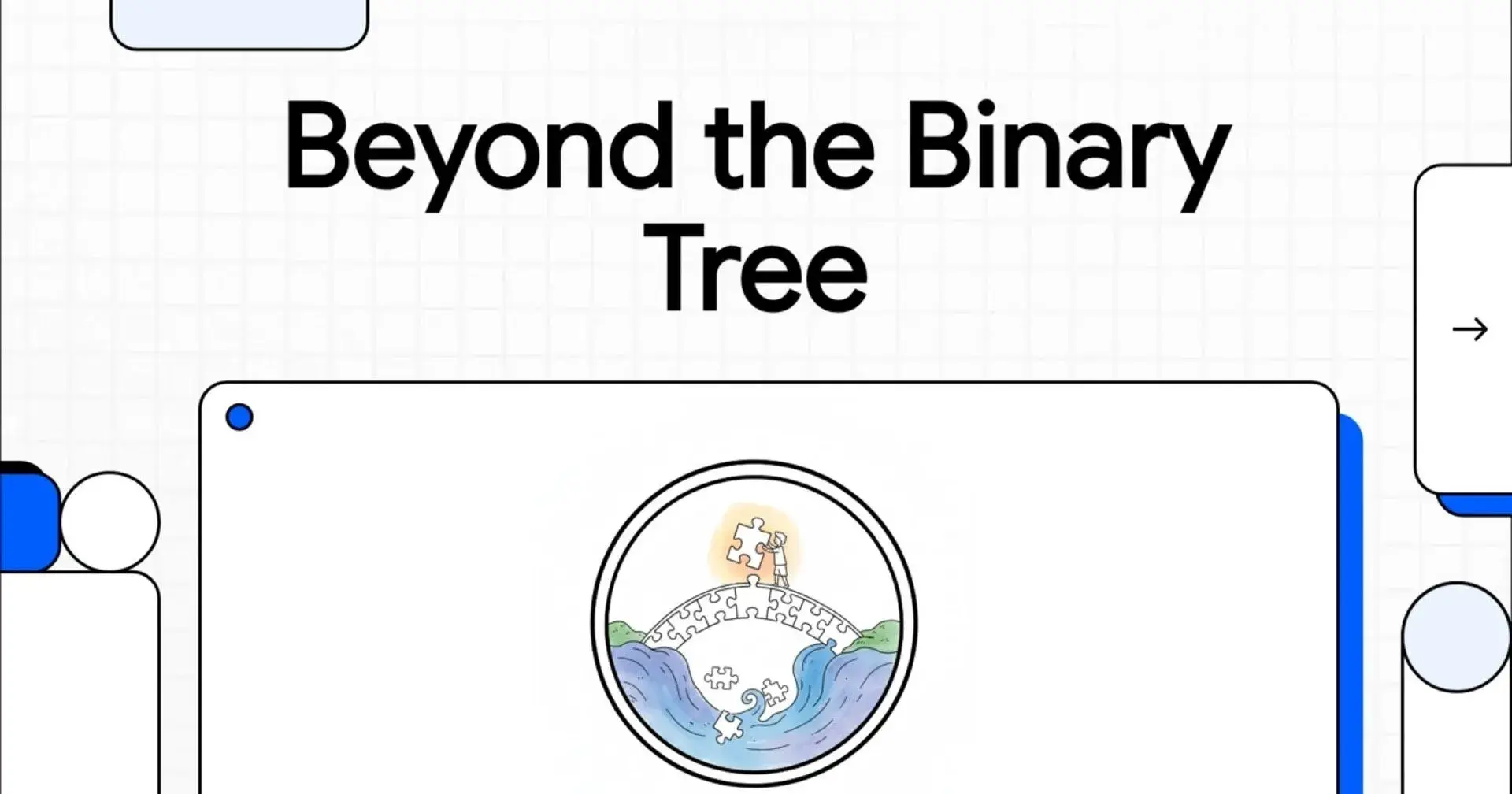
The tech industry is currently trapped in a "filtering paradox". On one side, we have thousands of developers spending their night grinding through Data Structures and Algorithms (DSA) on platforms like Leetcode. On the other, we have engineering managing complaining that new hires, who can invert a binary tree in their sleep have no idea how to handle a race condition in a production database or choose between a JWT and a session cookie.
The LeetCode Ceiling: Why DSA is Not Backend Engineering
Leetcode and Codeforce is excellent at what it does; measuring raw algorithmic intelligence and fluency in basic syntax. However, backend engineering is not just programming. It is the art of managing state, ensuring data integrity, and designing for failure.
In typical DSA environment, you are given an input and expected an output. The environment is "clean". But in the Backend world:
Network fail, databases lock and diska fill up
We don't care of the algorithm is O(n log n) if the databse query it triggers takes 500ms beacuse of missing index.
Implementing a "Consistent Hashing" algorithm or a "Write-Ahead Log" (WAL) for an LSM Tree requires a level of systems thinking that a simple coding sandbox cannot evaluate.
Company's Blinkspot: The Cost of "Guessing" Talent
Lack od standardized backedn evaluation platform is an expensive problem. Without a way to test candidates on backedn concepts, companies resort to two extremes:
The DSA Filter: They use Leetcode style rounds which often result in hiring "competitive programmers" who struggle to naviogate a microservice architecture.
The Take Home Assignment: They ask candidates to build a full REST API over the weekend. This is notoriously biased against people with families or full-time jobs, and it is a nightmare for senior engineers to grade consistently.
Companies need a way to see how a candidate handles a specific backend bottleneck. They need to know: "Can this person implement a rate-limiting middleware that doesn't crash our Redis instance?" Right now, the only way to find that out is to hire them and wait for the first production bug.
Rebuilding the Bridge: What’s Missing?
To fix this, we need a platform that moves away from "Logic Puzzles" and toward "System Scenarios." Imagine a playground where:
Instead of "Sorting an Array," the challenge is "Implementing a Cache-Aside Pattern with TTL."
Instead of "Finding the Shortest Path," the challenge is "Designing an Idempotent Payment Webhook."
Instead of a console output, the user gets a Virtual Dashboard showing their API’s latency, throughput, and error rates under a simulated stress test.
Conclusion
The industry has matured beyond the era where "knowing how to code" was enough. Today, we are building global-scale infrastructure, yet our primary evaluation tool is still the digital equivalent of a crossword puzzle.
Students deserve a way to practice the actual craft of backend development, and companies deserve a high-signal way to verify those skills. It’s time we stop asking engineers to "Invert a Binary Tree" and start asking them to "Build a Resilient System." Because of these persistent gaps in how we learn and hire, I am building RootNode. It is designed to be the definitive platform where backend engineers can move beyond the logic puzzles and master the real-world complexities of server-side architecture. It’s time to stop grinding and start building.


Join Mritunjay on Peerlist!
Join amazing folks like Mritunjay and thousands of other builders on Peerlist.
0
3
1