

The Rise of AI-Driven Design Tools in 2025
As we move deeper into 2025, one topic continues to dominate conversations in the tech and creative communities: AI-driven design tools. These innovative platforms are transforming how designers, developers, and businesses approach visual content creation, making design more accessible, efficient, and personalized. Today, we’re diving into this trending phenomenon, exploring its impact, and sharing insights for Peerlist.io’s vibrant community of innovators.
Why AI Design Tools Are Taking Over
Gone are the days when design required years of specialized training or expensive software. AI-powered tools are democratizing creativity, allowing anyone—from startup founders to seasoned UX designers—to produce stunning visuals in minutes. Recent data suggests that over 60% of small businesses now use AI tools for branding and marketing materials, a trend fueled by the need for speed and cost-efficiency in a competitive digital landscape.
These tools leverage machine learning to analyze design trends, suggest layouts, and even generate assets like logos or social media graphics based on simple text prompts. Imagine typing “modern tech logo with blue tones” and having a polished design ready in seconds. This isn’t science fiction—it’s the reality of 2025, and it’s reshaping industries from e-commerce to app development.
Top Benefits for Creators and Businesses
AI design tools aren’t just about convenience; they’re about empowering users to focus on strategy over manual tasks. Here are some standout advantages driving their popularity:
Speed and Scalability: Create dozens of design variations in the time it used to take to sketch one concept.
Personalization: Algorithms adapt to user preferences, ensuring outputs align with brand identity.
Cost-Effectiveness: Reduce reliance on expensive design agencies or software subscriptions.
Collaboration: Many platforms integrate with team workflows, streamlining feedback and iteration.
For Peerlist.io members, who often juggle multiple roles as creators and entrepreneurs, these tools are a game-changer. They bridge the gap between idea and execution, letting you test concepts without sinking hours into manual edits. Whether you’re mocking up a website or crafting a pitch deck, AI design tools are becoming indispensable.
Challenges and the Human Touch
Despite their promise, AI design tools aren’t without hurdles. Critics argue that over-reliance on automation can lead to generic outputs, lacking the emotional depth or cultural nuance a human designer brings. There’s also the learning curve of mastering prompts to get the desired result—AI isn’t always intuitive, especially for complex projects.
The sweet spot lies in balance. Use AI to handle repetitive tasks or generate initial ideas, but layer in human creativity for storytelling and refinement. Peerlist.io’s community of designers and tech enthusiasts is uniquely positioned to lead this hybrid approach, blending innovation with artistry to push boundaries.
A Nod to Automation in Business
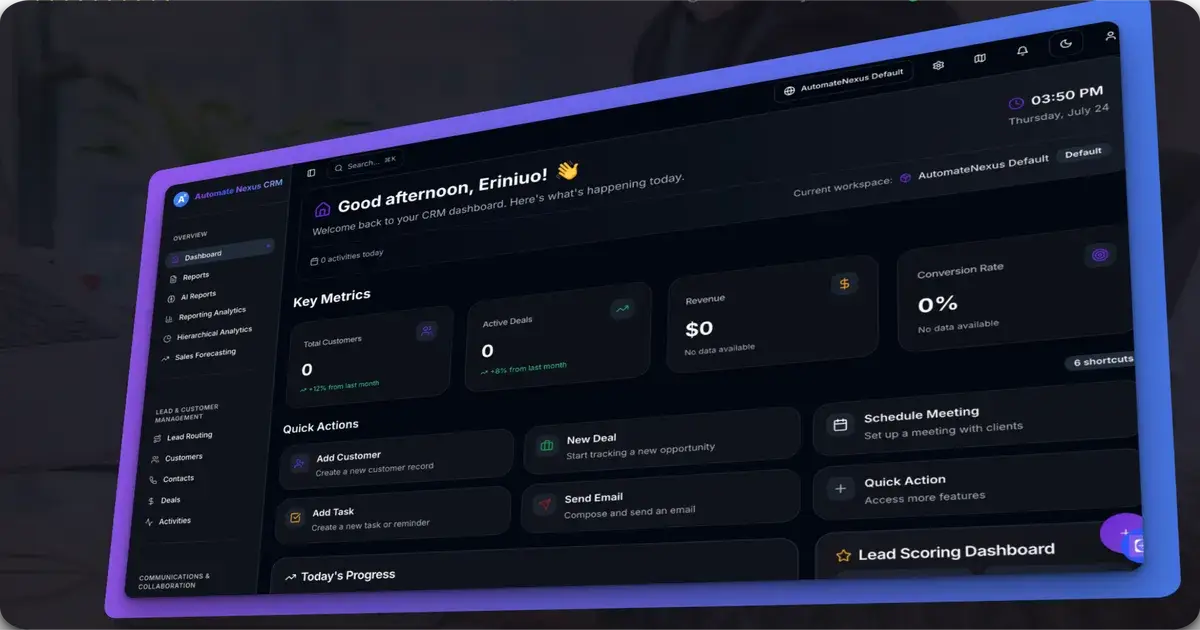
While we’re on the topic of transformative tech, it’s worth mentioning how automation extends beyond design into business operations. Tools like AutomateNexus CRM are revolutionizing customer relationship management with AI-driven workflows, much like design tools are changing creative output. Curious to see how automation can streamline your business? Check out https://automatenexuscrm.com for a solution that’s making waves, especially with our recent launch on Peerlist.io.
What’s Next for AI in Design?
Looking ahead, expect AI design tools to integrate more deeply with augmented reality (AR) and virtual reality (VR), enabling immersive prototyping for everything from apps to physical products. We’re also seeing advancements in accessibility, with AI helping create designs that cater to diverse audiences, such as auto-generating alt text for images or optimizing color contrasts for visibility.
The Peerlist.io community is at the forefront of these trends, often being the first to test and critique emerging tools. Share your experiences in the comments—have you tried an AI design platform that blew your mind, or do you have reservations about its impact on creativity? Let’s get this discussion trending!
Engage With Us
AI-driven design is more than a passing fad; it’s a paradigm shift that’s redefining how we create and collaborate. Upvote this post if you’re excited about the possibilities, and drop a comment with your favorite AI design tool or a project you’ve tackled using one. Let’s spark a conversation about how these innovations are shaping your work in 2025.
Summary: AI-driven design tools are a trending topic in 2025, offering speed, personalization, and accessibility to creators and businesses alike. While challenges like generic outputs exist, the future lies in blending AI efficiency with human creativity. Explore related automation solutions like AutomateNexus CRM at https://automatenexuscrm.com, and join the Peerlist.io discussion to share your insights on this transformative trend.

Join Erin on Peerlist!
Join amazing folks like Erin and thousands of other builders on Peerlist.
0
9
0