

A 5-Step Checklist for Coping with an STD Diagnosis
Struggling emotionally after an STD diagnosis? Follow a 5-step mental health checklist to cope, reduce stigma, and move forward with support.
First of all, take a breath. Whatever you’re feeling right now, whether that’s shock or shame or fear or anger, is perfectly valid. STD diagnosis can feel rather monumental, so it’s perfectly understandable if your mind has suddenly been overtaken by a million and one questions regarding how this new revelation will impact the future, your relationships, and your sense of self. The reality is, this moment does not define you.
The best post-diagnosis mental health checklist STD focuses on five essential steps. This guide is here to walk you through those steps and remind you that while this diagnosis is part of your story, it is not the whole story. Healing emotionally is just as important as managing your physical health.
The 5-Point Checklist for Your Emotional Well-being
Let’s start with your post-diagnosis mental health checklist STD.
1. Acknowledge & Sit With Your Feelings
An initial instinct that most people develop after a diagnosis is to push away their emotions. You may be telling yourself to “stay strong,” or “not overreact.” Though those thoughts are coming from a place of self-protection, pushing emotions aside usually makes them heavier with time. Coping with STD diagnosis begins by allowing yourself to feel whatever comes up.
You could be mourning the loss of normalcy or certainty. That grief is valid, even if the situation seems manageable. Name your emotions, do not judge them. Write them down in a journal, speak them out loudly, or just acknowledge them internally this helps to reduce their intensity. Emotions are messages and not sentences to feel them is what starts healing.
2. Educate Yourself (Facts, Not Fear)
Stigma thrives in misinformation. After diagnosis, it is normal to think of the worst possible scenarios as a result of late-night internet surfing and reading anonymous forums. Though curiosity is normal, not all information is valid or helpful. If you are anxious after getting diagnosed with an STI, sitting down and going over some credible facts can ease your nerves.
Stick to credible sources, like your doctor, the CDC, or the WHO. Once you know how it is transmitted, what options are available for treatment and management, then fear goes away because things become clear. With an understanding of what your diagnosis truly means, challenging harmful myths becomes easier since there is something concrete to hold on to. Education is one of the most empowering tools for both mental health and sexual health.
3. Build Your Support System
This is not something you have to handle alone. Sure, you might not want to tell everyone, but sharing with one or two people you really trust can bring about a huge change in your life. These people can be a close friend, a family member, or even a therapist. Telling your story to a person who listens patiently and without judging you will help you feel emotionally lighter.
Besides that, for many individuals, specific condition-based online support groups can serve as an incredible source of validation. It allows you to hear people who have openly talked about their lives after a diagnosis of herpes or other STIs, which can help make what you're experiencing seem normal. These communities make it clear that every day, millions of people are facing the same difficulties and still leading fulfilling and meaningful lives. Support alone doesn't solve everything, but it makes everything easier to bear.
4. Create a Health Action Plan
Generally, people who have anxiety are always worried about the unknown. The best trick to help reduce emotional distress would be to start doing something. Making a detailed health plan is like giving yourself a map to follow when your world seems all upside down. It is also important to include in your plan the details of how you want to manage your treatment, follow the doctor's orders when taking the medication, and book the next appointment with the doctor.
Always have questions ready when you see your doctor. Know what a long-term management plan would be like and what you and your partners can do to stay healthy and safe. You become a different person when you decide to take control instead of waiting for someone to come and help you, or just feeling anxious after STI diagnosis. Doing things does not mean that you are no longer afraid, but just that the fear doesn't have a chance to take over the entire scene.
5. Practice Radical Self-Compassion
There will be days when you feel okay and days when everything feels heavy again. That’s normal. Healing isn’t linear. Practicing self-compassion means speaking to yourself the way you would speak to a friend in the same situation. You wouldn’t call them dirty, broken, or unlovable. You deserve that same kindness.
Dealing with STI stigma can make negative self-talk loud and persistent. Counter it deliberately. An STD is a health condition, not a character flaw. It does not erase your worth, your desirability, or your future. Being gentle with yourself during this process isn’t indulgent. It’s necessary for real emotional recovery.
One Less Worry: Taking Partner Notification Off Your Plate
One of the most stressful parts of an STD diagnosis is thinking about telling partners. For many people, this responsibility becomes a major source of anxiety and can slow emotional healing. Worrying about reactions, judgment, or difficult conversations takes up a lot of mental space.
While direct conversations are one option, your mental health comes first. You don’t have to carry every burden alone. Using a professional service like Gentell Partner Notification allows you to offload this specific stressor. It ensures partners are notified responsibly, securely, and anonymously, without placing additional emotional strain on you.
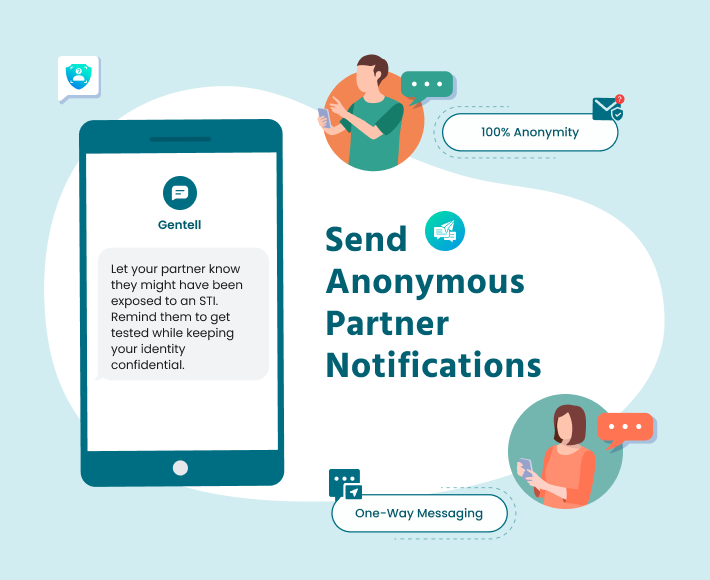
Think of it as delegating a difficult but necessary task. By removing this pressure, you free up emotional energy to focus on healing, processing, and rebuilding your sense of stability. Meeting your public health responsibility doesn’t have to come at the cost of your mental well-being.
Looking Forward: Life Is Not Over
It may not feel like it right now, but life after herpes diagnosis continues, and it can still be rich, loving, and fulfilling. Millions of people live full lives with STDs. They date, form relationships, build families, and experience joy. This diagnosis is one chapter in your life, not the entire book.
With time, education, and support, the intensity of this moment will fade. You are more resilient than you realize. What feels overwhelming today can become manageable tomorrow. Healing is possible, and so is happiness.
Frequently Asked Questions
Will I be able to date or have a relationship again?
Absolutely. An STD diagnosis does not make you unlovable or undeserving of connection. Honesty, communication, and education are the foundation of healthy relationships, and many people find deeper trust after navigating this together.
How do I deal with the feeling of shame or “being dirty”?
This feeling is common and rooted in stigma, not reality. STDs are extremely common medical conditions. Replacing shame with facts and connecting with others who share similar experiences can help you unlearn harmful narratives.
Should I see a therapist after an STD diagnosis?
If you’re struggling emotionally, a therapist or counselor, especially one familiar with health or relationship issues, can be incredibly helpful. Professional support can provide tools to process fear, anxiety, and self-image concerns in a healthy way.

Join Otto on Peerlist!
Join amazing folks like Otto and thousands of other builders on Peerlist.
0
6
0