

The agentic web is arriving
A new generation of browsers such as OpenAI Atlas, Perplexity and Diabrowser are quietly rewriting the rules of the internet. They do not just give you a search bar. They give you an agent. A chatbot sits alongside your tabs, always present and ready to summarise a news story, check a site’s legitimacy, surface alternative opinions or pull background on an author. On shopping sites it can compare prices or explain a product before you buy.
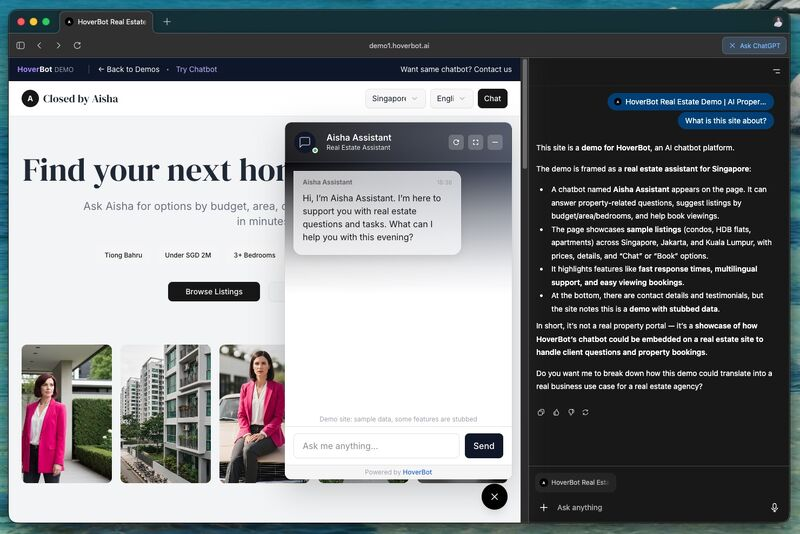
The idea is powerful. But the web as it stands is not ready. Add a chatbot panel and many sites collapse into awkward layouts. They were designed for MacBook screens, not for a browser split down the middle. Then comes the clash of bots. A site’s own widget competes for attention with the browser’s agent, sometimes both expanding at once and breaking the experience.
The deeper gap is protocol. Today there is no common way for websites to talk to these agents. No secure method exists to share product data, trigger flows or hide redundant elements. Without that layer, agents are left to scrape, guess or risk exposing users to malicious code.
What is needed is a standard. Sites should be able to mark their widgets so the browser hides them when an agentic panel is active. At the same time, the browser agent should be able to call the widget’s existing API. That way the agent can fetch product details or run the same flows the widget was designed for, without breaking the layout or duplicating logic.
The benefits are clear. Persistent conversation across tabs, context that follows you and navigation that feels seamless. But without new design rules and integration standards, half the web will look broken and trust will lag.
The agentic web is more than an add-on. It is a new layer of the internet. Now it needs its own protocols.

Join Vitaly on Peerlist!
Join amazing folks like Vitaly and thousands of other builders on Peerlist.
1
0
0