

AI Pet Talking: Transforming How Creators Bring Pets to Life
AI Pet Talking helps creators produce engaging pet voiceover content using virtual pet communication for social media storytelling.
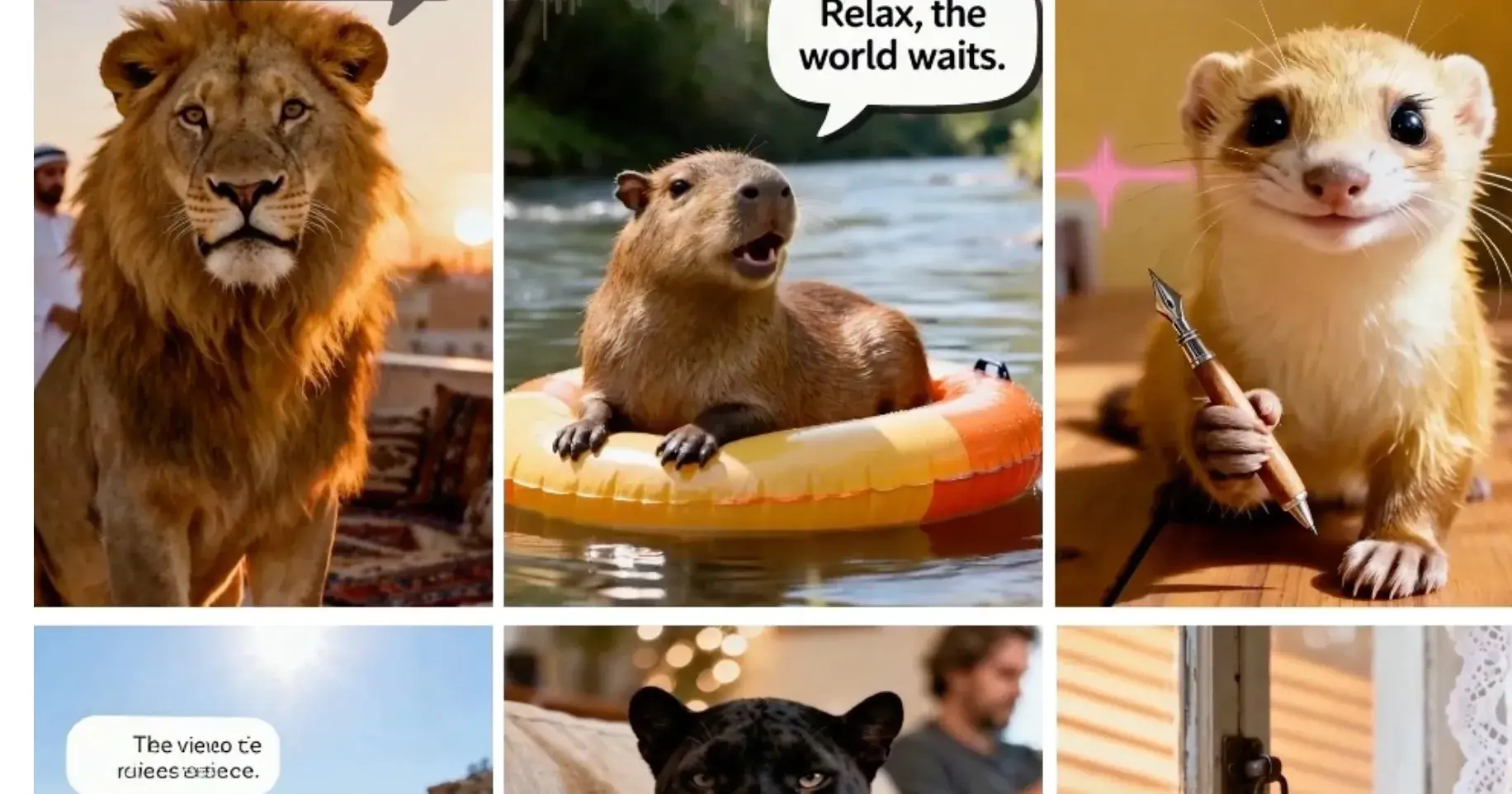
Over the past few years, AI-generated videos have reshaped the world of digital creativity, especially within the pet-focused creator community. Among these innovations, AI Pet Talking has quickly become one of the most fascinating trends. As tools for pet voiceover and AI pet animation mature, creators are discovering new ways to turn ordinary pet moments into compelling social media content. In this article, we’ll explore how AI Pet Talking works, why it matters, and how creators, educators, and marketers can leverage it more effectively. Whether you’re building an Instagram audience or producing long-form YouTube videos, you’ll learn multiple high-impact use cases, workflow recommendations, and actionable insights that go far beyond basic tips.
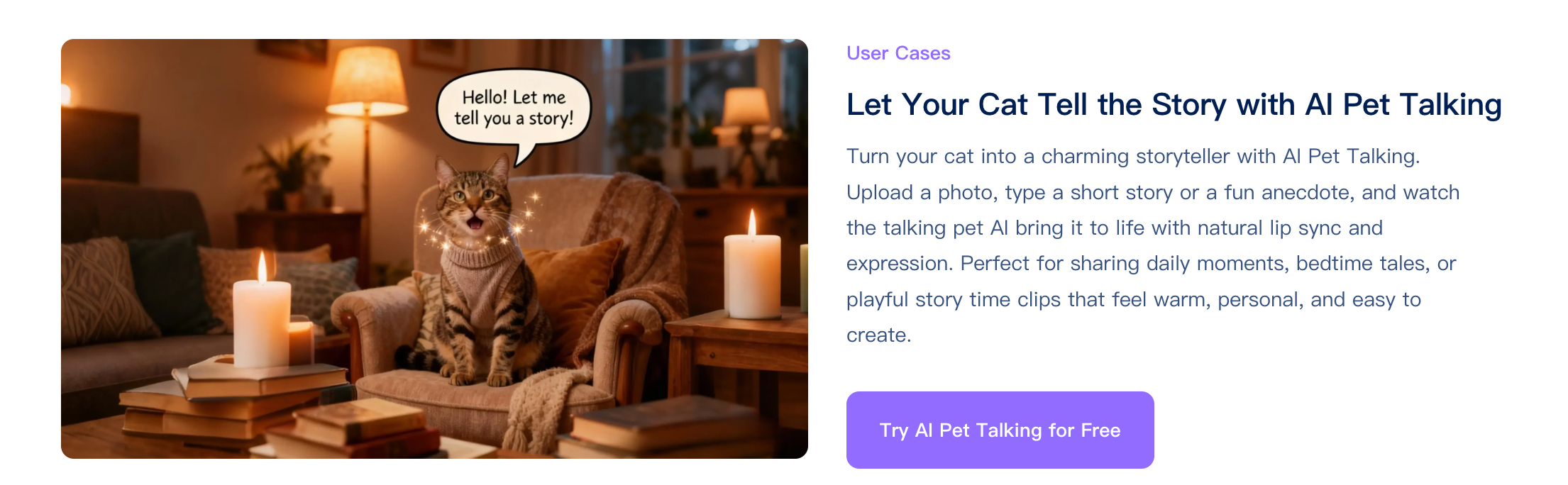
The Advantages of AI Pet Talking
Language Learning Enhancement Through AI Pet Talking
One of the most practical yet overlooked advantages of AI Pet Talking lies in language learning. When paired with virtual pet communication, children and adults are more willing to engage with interactive content. Learners often feel intimidated by traditional teaching methods, but watching their favorite animals “speak” can significantly reduce anxiety.
For example, a child learning English might watch a talking cat explain simple vocabulary words. The emotional bond with pets keeps attention high, while the familiar format supports vocabulary retention. AI can generate consistent voices, subtitles, and translations—making the learning experience more dynamic than standard flashcards or textbooks.
Increasing Emotional Engagement With AI Pet Talking
Emotional engagement is critical for sustained learning and content retention. When AI Pet Talking is combined with pet storytelling AI, creators can craft emotionally resonant scenes that support empathy, memory, and relatability. Studies show that emotional stimuli improve recall; therefore, a puppy narrating a story about its day helps learners connect abstract language structures to meaningful experiences.
A creator might script a narrative where a dog describes its morning routine, teaching vocabulary around time, household objects, and emotions. This creates a structured learning moment without feeling academic.
Reducing Content Production Barriers via AI Pet Talking
Traditionally, producing animated or voice-driven educational material required significant resources. With AI Pet Talking and AI-generated pet content, individuals can now create high-quality language learning material without animation studios or large budgets.
Imagine producing a weekly series of short language tutorials featuring different animals “speaking” in multiple accents or languages. This democratizes access to educational content creation and lowers the barrier to entry for independent tutors, small creators, and educational startups.
Practical Use Cases in Social Media Content Creation
How AI Pet Talking Unlocks Creative Social Media Opportunities
Below are five detailed, actionable, real-world scenarios demonstrating how AI Pet Talking helps creators build engagement, expand reach, and streamline production.
Pet Reaction Videos Using AI Pet Talking
Reaction content dominates platforms like TikTok and YouTube Shorts. With AI Pet Talking, creators can overlay humorous or dramatic voiceovers onto their pets’ natural reactions.
How to do it:
Record your pet reacting to a sound, toy, or situation.
Upload the clip to an AI tool supporting talking pet videos.
Write a short, engaging script matching the pet’s facial expression.
Export and optimize for vertical video formats.
Pro Tip:
Use trending audio references or meme structures to maximize shareability.
Storytelling Series Featuring AI Pet Talking Characters
Creators can build episodic “pet personality” series where cats, dogs, or other animals become recurring characters.
Execution Steps:
Create a character sheet defining the pet’s personality, vocabulary style, and tone.
Use AI Pet Talking tools to animate facial movements or generate lipsync.
Write multi-episode arcs: adventures, mysteries, daily routines.
Release episodes on a set schedule to build audience retention.
Tips:
Short, consistent episodes (30–60 seconds) work best for TikTok and Reels.
Educational Explainer Videos With AI Pet Talking
AI talking pets can explain complex topics—science, math, history—in a fun and accessible way.
Steps to implement:
Choose an educational theme.
Write a simple explanation in conversational language.
Use AI Pet Talking to generate a clear voiceover.
Add subtitles and visual annotations.
Advice:
Keep explanations short and snackable. Use colorful graphics so younger audiences stay engaged.
Emotional Pet Diary Vlogs Using AI Pet Talking
Daily pet diaries create strong emotional engagement.
Workflow:
Record daily moments such as eating, playing, or resting.
Turn your pet into the “narrator” using AI Pet Talking.
Create themed diaries: “A Day as a Lazy Cat,” “My First Trip to the Park,” etc.
Best Practice:
Use consistent voice identity to build a recognizable brand.
Comedy Sketches and Meme Content With AI Pet Talking
Memes remain a high-growth opportunity. Talking pets can reenact popular scripts, viral dialogues, or comedic monologues.
Steps:
Identify a meme format (e.g., argument memes, dating memes).
Write a short dialogue from the pet’s perspective.
Use AI Pet Talking to match the lip movement and tone.
Add captions for comedic punch.
Suggestion:
Fast cuts and exaggerated intonation increase comedic effect.
Branded Content or Sponsored Posts With AI Pet Talking
Pet influencers can use talking pet content to integrate products or promote services.
How to execute:
Define the promotional message and product benefits.
Script a short storyline where the pet interacts with the product.
Use AI Pet Talking to deliver call-to-action lines.
Follow platform guidelines for sponsored labels.
Expert Tip:
Keep promotional elements subtle—storytelling should remain the focus.
Key Functional Capabilities of AI Pet Talking Tools
Voice Cloning and Multi-Language Narration
With AI Pet Talking, creators can generate multilingual pet voices using pet voiceover technology. This is valuable for global content distribution. Tools often support multiple accents, pitch settings, or expressive styles.
Lip-Sync Animation and Facial Expression Mapping
Modern AI Pet Talking systems use AI pet animation algorithms to match mouth shapes, expressions, and slight head movements with the generated speech. This results in realistic, expressive talking pets suitable for professional creators.
Script Assistance and Storyboarding
Some platforms offer built-in script suggestions using pet storytelling AI. By combining scripting assistance with AI Pet Talking, creators can develop consistent storylines, pacing, and emotional arcs—improving narrative coherence.
Automated Editing and Audio Mixing
Many AI Pet Talking tools include auto-mixing, background noise cleanup, and subtitle generation. Using AI-generated pet content pipelines, creators can produce clean final videos with minimal manual editing.
Conclusion
AI Pet Talking gives creators, educators, and marketers a powerful new way to transform ordinary pet footage into emotionally rich, highly engaging social media storytelling. By combining expressive voiceovers, animation, and narrative tools, it enables accessible, scalable, and entertaining content creation without requiring advanced technical skills.

Join Jason on Peerlist!
Join amazing folks like Jason and thousands of other builders on Peerlist.
0
2
0