

Image to Video AI: Transform Static Photos into Dynamic Content
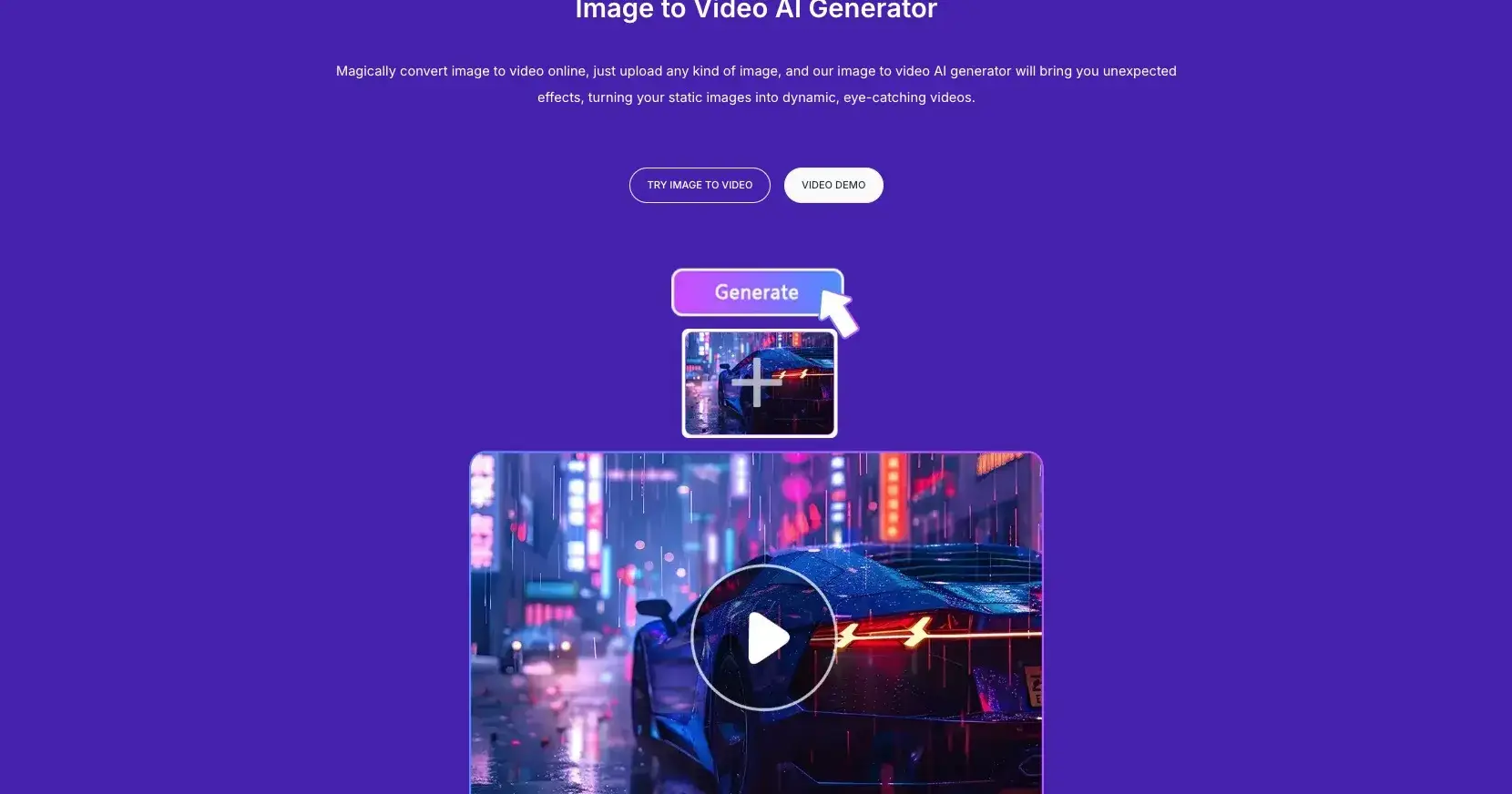
Photography has long been humanity's way of freezing moments in time, but what if those frozen moments could come alive? The emergence of image to video technology has revolutionized how we interact with static imagery, transforming ordinary photographs into dynamic, engaging video content. Whether you have a single cherished family photo or a collection of product images, image to video AI tools can breathe life into these still frames, creating motion, transitions, and cinematic effects that were once possible only through professional video production. This technological breakthrough democratizes video creation, enabling anyone—from small business owners to content creators and educators—to produce compelling video content from their existing photo libraries without expensive equipment or technical expertise.
Why AI Image to Video Technology Excels
The transformation from static imagery to dynamic video represents more than a technical novelty; it addresses fundamental challenges in modern content creation while offering unprecedented creative possibilities.
Eliminating Video Production Barriers
Traditional video production requires specialized equipment, technical skills, and often significant time investment. Filming product demonstrations demands proper lighting setups, camera stabilization, multiple takes, and post-production editing. AI image to video technology bypasses these requirements entirely. Users simply upload photographs, and sophisticated algorithms analyze the content, identify subjects and backgrounds, and generate natural-looking motion and transitions. A product photographer can transform a series of still shots into a dynamic product showcase without touching a video camera. This elimination of technical barriers means more people can create professional-quality video content, leveling the playing field between large corporations with production budgets and individual entrepreneurs working from home offices.
Breathing Life into Historical Archives
Museums, libraries, and families possess countless historical photographs that capture important moments but remain static in albums and archives. Image to video AI technology offers a unique opportunity to revitalize these collections. By applying motion effects, zoom transitions, and subtle animations, historical photographs gain new dimension and emotional impact. A century-old family portrait can slowly zoom in to reveal facial details and then pan across the scene, creating a more immersive viewing experience. Historical documentation becomes more engaging for younger generations accustomed to dynamic content. This capability preserves heritage while making it accessible and compelling in formats that resonate with contemporary audiences.
Scalable Content Production for Marketing
Marketing teams constantly face pressure to produce fresh video content across multiple platforms—social media, websites, email campaigns, and advertisements. Creating unique videos for each campaign traditionally requires substantial resources. AI image to video solutions enable scalable content production by converting existing product photography, event photos, and brand imagery into diverse video formats. A single photoshoot can yield dozens of video variations—different lengths, styles, and motion effects—each optimized for specific platforms and audiences. This scalability ensures consistent brand presence across channels while maximizing return on investment from photography assets. Marketing teams can maintain continuous content flow without proportionally increasing production budgets or personnel.
Use Cases and Implementation Strategies
Understanding specific applications helps users leverage image to video technology effectively across various contexts and industries.
Social Media Content Creation
Social media algorithms increasingly favor video content over static images, placing creators who primarily work with photography at a disadvantage. Image to video AI bridges this gap seamlessly. A photographer can transform their best shots into attention-grabbing social media videos with motion effects, transitions, and even music synchronization. Portrait photographers might create before-and-after transformation videos from two photos, while travel photographers can compile journey videos from location shots. Implementation involves selecting impactful images, choosing appropriate motion styles—subtle parallax effects for elegant content or dramatic zooms for energetic posts—and optimizing output for platform specifications. The result is increased engagement, improved algorithmic visibility, and extended creative reach without abandoning photography as a primary medium.
Product Demonstrations and E-commerce
E-commerce platforms show that product videos significantly increase conversion rates compared to static images alone, yet many small businesses lack resources for professional product videography. Image to video technology solves this challenge elegantly. Retailers can photograph products from multiple angles and use AI tools to create rotating showcase videos, zoom-in detail reveals, or feature highlight sequences. A jewelry store might transform ring photographs into videos that simulate the sparkle of moving gems. Furniture retailers can create room-tour videos from individual furniture photos. Implementation requires systematic product photography—capturing items from consistent angles and lighting—then using image to video AI tools to apply appropriate motion templates. These generated videos integrate seamlessly into product pages, social media shops, and digital advertisements.
Storytelling and Personal Projects
Every family photo album tells a story, but static images require imagination to connect narrative threads. AI image to video transforms photo collections into cohesive visual narratives. Parents can create birthday videos from photos spanning their child's growth, anniversary celebrations can showcase relationship journeys through compiled photographs, and memorial tributes can honor loved ones through moving photo montages. The implementation process involves curating meaningful images in narrative sequence, selecting transition styles that match emotional tone—gentle fades for contemplative stories or dynamic wipes for celebratory content—and adding music or narration that enhances the story. These personalized videos become treasured keepsakes far more engaging than traditional photo slideshows.
Real Estate Virtual Tours
Property marketing has evolved beyond static listing photos, yet professional video tours remain expensive. Image to video technology enables real estate agents to create compelling virtual tours from standard property photographs. A series of room photos transforms into a smooth walk-through experience with panning motions and transitional effects that guide viewers through the property layout. Exterior shots can include subtle zoom and pan movements that showcase architectural details and surrounding landscapes. Implementation requires comprehensive property photography covering all key spaces and features, followed by sequencing images in logical tour order and applying motion effects that simulate natural movement through spaces. These AI-generated tours provide immersive experiences that help potential buyers envision properties while costing a fraction of professional videography services.
Educational Content and Presentations
Educators and presenters often rely on static slides and images to convey information, but audience engagement suffers from monotonous presentations. Image to video AI enhances educational content by animating diagrams, historical photos, and illustrative images. A history teacher can bring historical photographs to life with motion effects that draw attention to specific details. Science educators can create animated diagrams from static illustrations, showing processes and relationships dynamically. Implementation involves identifying key visual materials that support learning objectives, applying motion effects that direct attention appropriately—zoom-ins for important details, pans for comparative elements—and integrating generated videos into presentation software or learning management systems. The resulting dynamic content maintains student attention and improves information retention.
Portfolio Showcases for Creatives
Photographers, designers, and artists seeking to showcase their work face a challenge: online portfolios compete with countless others for viewer attention. Image to video technology helps creative portfolios stand out by transforming static galleries into engaging showcase videos. A photographer can create a showreel from their best images with cinematic transitions and motion effects that highlight compositional strengths. Graphic designers can animate logo designs and branding elements. Implementation involves selecting portfolio pieces that demonstrate range and skill, determining an impactful sequence that tells a professional story, and applying motion styles that complement the creative aesthetic. These video portfolios capture attention more effectively than static galleries, improving memorability and professional impact.
Key Features of AI Image to Video Tools
Modern AI image to video platforms incorporate sophisticated capabilities that extend far beyond simple slideshow creation, offering users powerful creative control and technical flexibility.
Intelligent Motion Synthesis
The hallmark of advanced image to video AI technology is intelligent motion generation that appears natural rather than artificial. These systems analyze image content to understand depth, identify foreground and background elements, and generate parallax effects that create three-dimensional motion from two-dimensional photographs. When processing a landscape photo, the AI recognizes that mountains exist in the background while trees occupy the foreground, then applies differential motion that simulates camera movement through three-dimensional space. This depth-aware motion creates cinematic quality that distinguishes AI-generated videos from simple pan-and-zoom effects. The intelligence extends to subject recognition—identifying faces, objects, and action elements—and applying motion that enhances rather than distracts from key content.
Customizable Transition Libraries
While automated processing provides convenience, creative control remains essential. Leading image to video platforms offer extensive transition libraries with customizable parameters. Users can choose from classic fades and dissolves, dynamic wipes and slides, or sophisticated morphing transitions that blend images seamlessly. Each transition type includes adjustable timing, direction, and intensity controls. A wedding video might use romantic soft fades between images, while a sports highlight reel could employ energetic wipe transitions. Advanced systems even analyze image content to recommend appropriate transitions—suggesting gentle fades for similar images and dramatic transitions for contrasting scenes. This combination of automation and customization ensures that generated videos match intended emotional tone and narrative pacing.
Multi-Image Sequencing and Timing Control
Creating compelling videos from multiple photographs requires sophisticated sequencing capabilities beyond simple chronological ordering. AI image to video tools provide timeline interfaces where users arrange images, adjust individual display durations, and fine-tune overall pacing. An image containing important details might display longer, while transitional shots pass quickly. Rhythm and pacing dramatically affect viewer engagement—too slow becomes boring, too fast prevents content absorption. Advanced platforms incorporate smart timing suggestions based on image complexity and content type. They might recommend longer durations for images with text or detailed information, and shorter durations for simple compositional elements. Users can override these suggestions, maintaining creative control while benefiting from AI guidance.
Audio Integration and Synchronization
Visual content gains emotional impact through audio accompaniment, and modern image to video AI platforms integrate comprehensive audio features. Users can upload custom music tracks, select from royalty-free libraries, or even generate AI-composed music that matches video mood and pacing. Sophisticated systems analyze music tempo and structure, automatically synchronizing image transitions to musical beats and phrases. A upbeat song might trigger quicker transitions timed to the rhythm, while a contemplative piece would slow pacing and soften transitions. Some platforms support voiceover narration, automatically adjusting audio levels and balancing narration against background music. This audio-visual synchronization transforms photo compilations into professionally polished videos that engage both eyes and ears, maximizing emotional resonance and viewer retention.
Conclusion: Unlocking Creative Potential from Static Memories
The evolution of image to video AI technology represents a fundamental shift in how we create, share, and experience visual content. What once required expensive equipment, technical expertise, and substantial time investment now becomes accessible through intelligent algorithms that understand imagery and generate natural motion. From marketing professionals scaling content production to families preserving memories in engaging formats, this technology democratizes video creation while elevating the impact of existing photography.
The advantages extend beyond mere convenience. AI image to video tools breathe new life into historical archives, enable small businesses to compete with larger competitors in video-rich marketing environments, and empower creative professionals to showcase their work dynamically. The technology respects the artistry of original photography while enhancing it through motion, transitions, and cinematic effects that capture modern audiences' attention.
As these platforms continue advancing—incorporating more sophisticated motion synthesis, deeper content understanding, and expanded creative controls—the boundary between static and dynamic content increasingly blurs. Every photograph in your collection, whether recent or decades old, holds potential as compelling video content. Family portraits become animated memories, product photos transform into sales tools, and historical images gain renewed relevance for contemporary audiences.
The democratization of video creation through image to video technology doesn't diminish the value of traditional videography; rather, it expands creative possibilities and ensures that powerful stories locked within static images can finally move, breathe, and resonate with audiences in ways previously impossible. For anyone with photographs and stories to tell, the future of visual communication is dynamic, accessible, and limited only by imagination.

Join Jason on Peerlist!
Join amazing folks like Jason and thousands of other builders on Peerlist.
0
6
0