

Video to Video: Turn Real Videos into Anime-Style Masterpieces
Discover how video to video AI tools can transform real footage into stunning anime-style videos with ease and creativity.
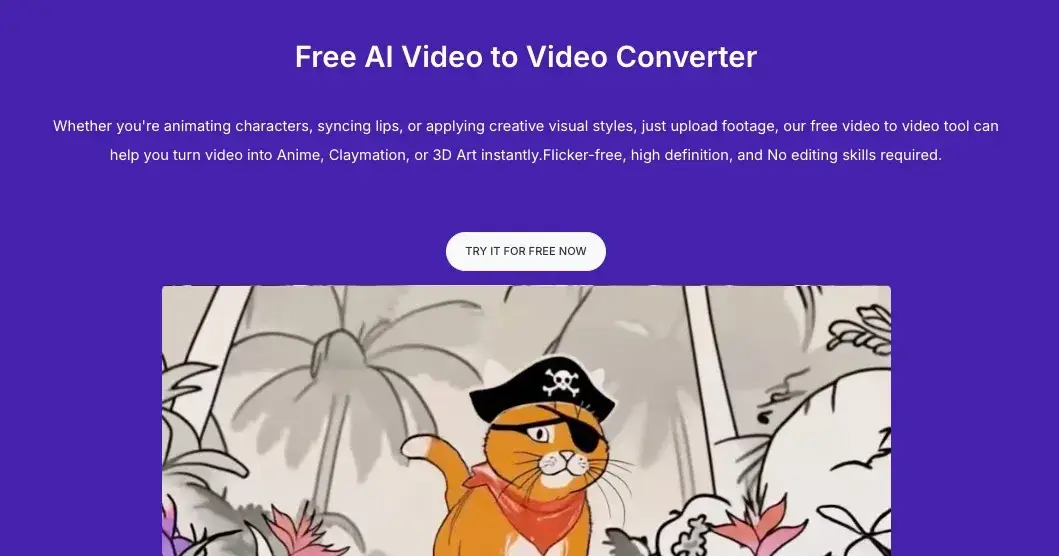
In recent years, the rise of AI-powered creative tools has opened up exciting new possibilities for content creators. One of the most captivating trends is turning ordinary videos into stylized anime clips—a process made possible through advanced video to video translation techniques. Unlike simple filters or static image stylization, modern video to video systems preserve motion coherence, temporal consistency, and artistic fidelity across entire sequences. This blog explores how you can harness this technology to create engaging, anime-inspired videos that stand out on social media, in storytelling, or even in professional animation pipelines.
Why Video to Video Excels at Anime Stylization
Transforming live-action footage into anime isn’t just about applying a cartoon filter—it requires understanding motion, lighting, depth, and character expression over time. Traditional methods often result in flickering artifacts or inconsistent styles between frames. Video to video AI models solve these problems by processing entire video sequences holistically, ensuring smooth, cinematic results.
Temporal Consistency Across Frames
Unlike frame-by-frame image-to-image translation, video to video models analyze multiple frames simultaneously. This allows them to maintain consistent character outlines, color palettes, and shading throughout the clip—critical for achieving that polished anime look without distracting jumps or glitches.
Motion-Aware Stylization
Anime isn’t static; it thrives on expressive movement. Advanced video to video systems incorporate optical flow and motion estimation to adapt stylization based on how objects move. Fast action scenes retain dynamic blur and impact lines, while quiet moments emphasize soft gradients and delicate linework—just like hand-drawn animation.
Preservation of Semantic Content
The best anime adaptations don’t just look stylized—they still convey the original story and emotion. Video to video tools use semantic segmentation to distinguish faces, backgrounds, and foreground objects, ensuring that eyes remain expressive, mouths sync with speech, and key visual cues stay intact during transformation.
Practical Use Cases for Anime-Style Video Creation
From indie filmmakers to TikTok creators, the demand for anime-styled video content is surging. Here’s how different users can leverage video to video technology to meet their creative goals.
Social Media Content Creation
Platforms like Instagram Reels, YouTube Shorts, and TikTok reward visually distinctive content. By converting everyday vlogs or dance clips into anime style, creators can instantly differentiate themselves. A 15-second selfie video becomes a scene from a shōjo manga—with cherry blossoms, sparkles, and dreamy eyes—all through a single video to video pass.
Indie Filmmaking & Music Videos
Low-budget filmmakers can use anime stylization to add artistic flair without hiring animators. Imagine a music video where the singer transforms into an anime protagonist mid-chorus, or a short film blending reality and fantasy through stylistic shifts. Video to video tools make such hybrid narratives feasible and affordable.
Educational & Explainer Videos
Complex topics become more engaging when presented in anime form. Science educators, language teachers, or history channels can convert lecture footage into animated lessons featuring stylized avatars. The visual appeal boosts retention, especially among younger audiences familiar with anime aesthetics.
Fan Art & Homage Projects
Fans often reimagine live-action franchises (like Marvel or Star Wars) in anime style. With video to video, they can now animate those visions—turning movie trailers or gameplay footage into full-fledged anime OPs (opening sequences). These projects thrive in online communities and can go viral with minimal production overhead.
Game Cinematics & Modding
Game developers and modders can enhance cutscenes by applying anime filters to real-time renders. Indie RPGs or visual novels gain cinematic quality when their dialogue scenes are processed through video to video stylization, mimicking the look of high-budget Japanese animation studios.
Personalized Gifts & Memes
Want to surprise a friend with a birthday message styled like My Hero Academia? Or turn your pet’s antics into a Studio Ghibli-inspired short? Video to video makes personalized, shareable moments easy to produce—blending humor, affection, and pop culture in one click.
Key Features of Modern Video to Video Tools
Not all AI video tools are created equal. The best video to video platforms for anime conversion offer specialized capabilities that go beyond basic filtering.
Style Customization & Control
Top-tier tools let you choose from multiple anime styles—shonen action, shojo romance, cyberpunk, chibi, or even specific studio looks (e.g., Makoto Shinkai or Kyoto Animation). Some allow fine-tuning of line thickness, color saturation, and background simplification to match your vision.
High-Resolution Output Support
Whether you’re targeting 1080p YouTube uploads or 4K festival screenings, leading video to video systems support high-resolution rendering without pixelation or loss of detail—essential for maintaining the crisp lines and vibrant colors anime demands.
Batch Processing & API Access
For creators managing multiple clips or integrating stylization into larger workflows, batch processing and developer APIs are game-changers. Automate anime conversion for entire playlists or embed the tool into custom editing pipelines.
Real-Time Preview & Editing
Advanced interfaces offer real-time previews, letting you adjust parameters while watching the effect unfold. Some even include post-processing layers—add sakura petals, speed lines, or dramatic lighting overlays directly within the tool.
Conclusion: Anime Transformation Is Now Accessible to Everyone
Gone are the days when turning real video into anime required teams of animators and months of labor. Thanks to intelligent video to video technology, anyone with a smartphone and a creative idea can produce stunning, coherent, and emotionally resonant anime-style videos in minutes. Whether you're a hobbyist, educator, marketer, or artist, this fusion of AI and animation opens a new frontier of visual storytelling—one frame, and one style, at a time.

Join Jason on Peerlist!
Join amazing folks like Jason and thousands of other builders on Peerlist.
0
5
0