

Running a Remote Team Takes the Right Async Approach
Struggling with remote leadership? Try these async systems.
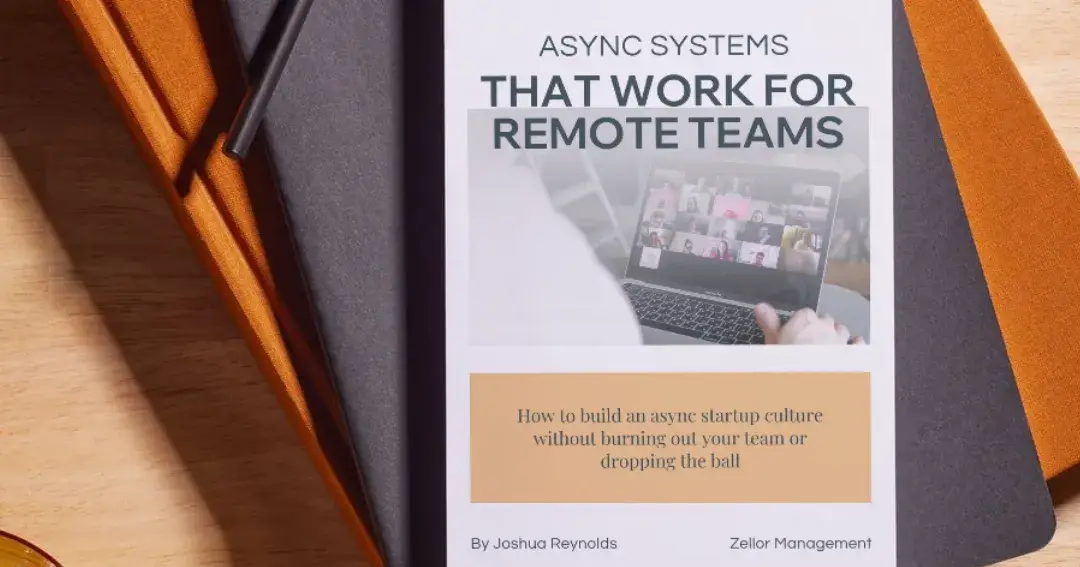
Too many meetings. Too much noise. Hindered progress. It's the reality for a lot of startups with remote teams.
They can fall into two categories:
• Endless Slack threads and lost Looms
• Silence, confusion and missed expectations
I've been working in SaaS startups for close to three years now and in my time I've worked with teams spanning multiple time zones.
Juggling a mix of GMT/EST/IST working patterns for example takes a targeted approach.
Without some careful planning, you're going to run into your team becoming siloed from critical information and direction. That in turn leads to a loss in productivity and with resource-tight startups, you want this to be maximsed.
There are four async systems you can trial. One may be enough, or three may be the best combined approach for your leadership style.
Daily Standup
These are brief (5-10 min) standups with your team leaders to get an overview of:
Yesterday (what happened yesterday/what was accomplished)
Today (what is being worked on today)
Blockers (what is hindering progress for certain projects/members)
Best Use
If you have the availability for a team meeting, great. If time zones are an issue and you use Slack, I'd recommend the plugin Geekbot. It's an automated tool to extract this information from your team and pastes it in a public channel for review.
Weekly Pulse Check
Best for team leaders to configure priorities and understand what needs to be focused on the following week. Can either be a meeting, or can be documented within Notion/G Sheets. Focus on the below topics:
What went well
What didn't
Priorities next week
Team's energy level
Best Use
Send an automated message at the same time each Friday with a link to the sheet for team leaders to fill in. Could require manual accountability for the first 2 weeks until the habit is formed.
Decision Logs
Taken from project management methodologies, this is a key tool in maintaining accountability from team members on a project basis. You'll want to set up a Confluence or Notion file with a database containing the following coloum heaings:
What we decided
Why we made that decision
Who's responsible
Date
For references on what these look like, Google "project management Decision Log" and you'll see plenty of templates to replicate.
Handoff Framework
This method is best for team members who need to handoff work to other members in their team if they're going offline due to time zone differences.
Essentially you want your team to post in a dedicated team channel with their end-of-day updates on what they worked on, and what is left to be achieved. They don't need to be long form, just quick updates but they should include crucial information if needed for the next person to take them on. Loom's can be incredibly useful here.
When trying out new strategies from your team I'd advise picking a select few of them and trialling the process for a minimum of two weeks to start habit formation. As you begin to follow it more, tweak and iterate the process to suit your teams' learning style and delivery methods.
These all focus on outcomes over hours as well, which is important within remote teams with asynchronous working.
If you try one and it works for your team, I'd love to hear your feedback.

Join Joshua on Peerlist!
Join amazing folks like Joshua and thousands of other builders on Peerlist.
0
4
0