

6 Antivirus Solutions Using Artificial Intelligence in 2026
How artificial intelligence is transforming antivirus protection with smarter threat detection, behavioral analysis, and real-time defense
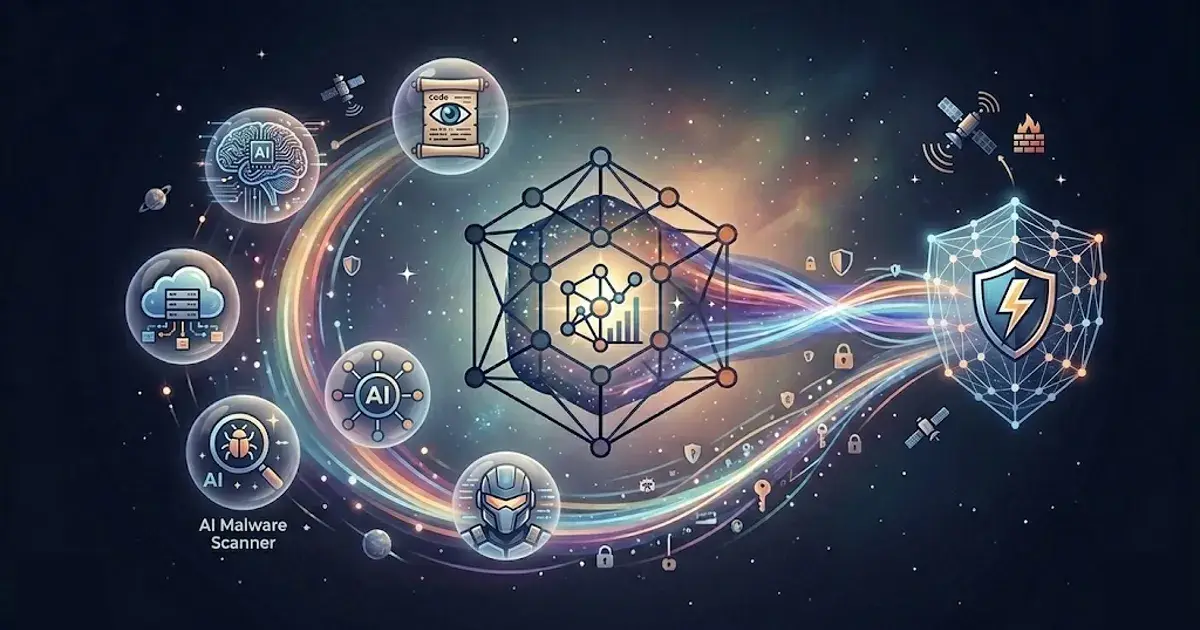
Cyber threats have changed dramatically. Traditional antivirus software based only on malware signatures is no longer enough to protect users against modern attacks such as zero-day exploits, AI-generated malware, ransomware variants, and highly targeted phishing campaigns.
In 2026, leading cybersecurity companies are integrating artificial intelligence into their security platforms to create antivirus solutions capable of learning from millions of events, identifying suspicious behavior, and stopping threats before they cause damage.
AI does not simply replace traditional antivirus engines. Instead, it enhances them through machine learning models, cloud intelligence, behavioral monitoring, anomaly detection, and automated response systems.
These are 6 antivirus solutions that use artificial intelligence to provide advanced protection.
1. Bitdefender Total Security
Bitdefender has been one of the strongest examples of AI integration in consumer cybersecurity.
Its antivirus technology uses machine learning algorithms combined with behavioral detection to identify malicious activity beyond known virus signatures.
Instead of only asking:
"Is this file already known as malware?"
AI-powered protection also evaluates:
How a program behaves after execution
Whether it attempts to modify system files
If it encrypts large numbers of documents
If it communicates with suspicious servers
This approach is especially useful against ransomware, where attackers constantly create new variants.
Bitdefender also uses automated threat intelligence systems that analyze global security events and improve detection models.
Best for:
Users looking for strong AI-based protection with minimal configuration.
2. Norton 360
NortonLifeLock continues evolving its security ecosystem with artificial intelligence and cloud-based threat detection.
Norton uses AI techniques to analyze suspicious files, applications, websites, and network activity.
Its protection systems focus on:
Real-time malware detection
Suspicious behavior identification
Phishing prevention
Online threat monitoring
One important advantage of AI-powered antivirus is the ability to detect unknown threats. Instead of waiting for security researchers to create a signature, machine learning models can recognize patterns commonly associated with malicious software.
For everyday users, this means faster protection against emerging attacks.
Best for:
Families and users who want automated cybersecurity protection.
3. Microsoft Defender
Microsoft Defender has evolved from a basic Windows security tool into a broader AI-assisted cybersecurity platform.
Modern Microsoft security solutions use artificial intelligence across multiple layers:
Endpoint protection
Cloud threat intelligence
Behavioral analysis
Automated investigation
Microsoft's security infrastructure processes enormous amounts of telemetry data from devices worldwide. AI models analyze these signals to identify attack patterns.
For example, if a normal application suddenly begins:
Accessing sensitive files
Creating suspicious processes
Connecting to unknown domains
AI-driven detection can flag the activity even without a known malware signature.
Best for:
Windows users who want built-in AI-enhanced security.
4. CrowdStrike Falcon
CrowdStrike Falcon is one of the most recognized AI-powered cybersecurity platforms for businesses.
Unlike traditional antivirus focused mainly on files, CrowdStrike emphasizes endpoint detection and response (EDR).
Its AI capabilities analyze:
User behavior
Process execution
Network connections
System changes
The platform uses machine learning to identify attack chains, meaning it can detect when multiple small actions together represent a larger cyberattack.
For example:
A suspicious login + unusual file access + abnormal process activity may indicate an intrusion.
AI allows security teams to investigate and respond much faster.
Best for:
Companies and organizations requiring enterprise-level protection.
5. Malwarebytes Premium
Malwarebytes combines traditional malware detection with modern machine learning techniques.
Its AI-assisted systems help identify:
Malware
Potentially unwanted programs
Exploit attempts
Suspicious applications
One of Malwarebytes' strengths is its focus on behavior-based detection.
Instead of relying only on databases of known threats, it evaluates whether software behaves like malware.
This is important because attackers often modify malicious code to avoid signature-based antivirus systems.
Best for:
Users who want an additional AI-driven security layer.
6. Avast Premium Security
Avast uses artificial intelligence and cloud-based analysis to improve threat detection.
Its security engine combines multiple techniques:
Machine learning classification
Behavioral analysis
Reputation systems
Real-time cloud scanning
AI helps Avast evaluate suspicious files faster by comparing them against large-scale threat intelligence networks.
This allows the system to react to new threats without requiring every device to store huge malware databases locally.
Best for:
Users who want lightweight AI-powered protection.
Why AI Antivirus Is Becoming Essential
Cybercriminals are also using artificial intelligence. Attackers can now automate:
Malware generation
Phishing message creation
Social engineering campaigns
Vulnerability discovery
Because threats are becoming faster and more adaptive, antivirus solutions need equally adaptive defenses.
AI-powered antivirus provides advantages such as:
1. Detection of Unknown Threats
Machine learning can recognize suspicious patterns even when malware has never been seen before.
2. Behavioral Protection
AI monitors what applications do, not only what they are.
3. Faster Response
Automated systems can block threats within seconds.
4. Better Ransomware Defense
AI can detect unusual encryption behavior before massive damage occurs.
The Future of AI Antivirus
The next generation of antivirus will likely move beyond simple detection.
Future AI security systems will increasingly include:
Autonomous threat hunting
AI security assistants
Predictive attack prevention
Automated incident response
More advanced identity protection
However, AI is not a perfect solution. Attackers can also attempt to manipulate AI models, create evasive malware, or exploit weaknesses in automated systems.
The strongest cybersecurity strategy will continue combining AI technology with good practices:
Regular updates
Strong passwords
Multi-factor authentication
User awareness
Secure backups
Conclusion
Artificial intelligence is redefining antivirus software in 2026. The best security solutions no longer depend only on known malware signatures; they analyze behavior, learn from global threats, and adapt to new attack techniques.
Tools like Bitdefender, Norton, Microsoft Defender, CrowdStrike Falcon, Malwarebytes, and Avast demonstrate how AI can improve digital protection for both individuals and organizations.
As cyberattacks become more intelligent, antivirus protection must evolve from simply detecting threats to predicting and preventing them. AI-powered security represents one of the most important advances in modern cybersecurity.

Join Juan on Peerlist!
Join amazing folks like Juan and thousands of other builders on Peerlist.
0
0
0