

How I Built a $4,000/Month Distribution System
I spent 87 days at zero users. Then I stopped building features and started building distribution.
For years, my biggest problem wasn’t code.
It wasn’t design.
It wasn’t even the product.
It was distribution.
I could ship a startup in 10 hours. I could lock myself in a room for 35 days and build authentication, payments, SEO, email infrastructure, and everything in between from scratch.
But none of that mattered if nobody saw what I built.
I learned that lesson the hard way with SuperFast.
I launched it on May 4, 2025.
My first paying customer arrived on July 30.
Eighty-seven days of silence.
The product worked.
Distribution didn’t.
The Tweet That Changed Everything
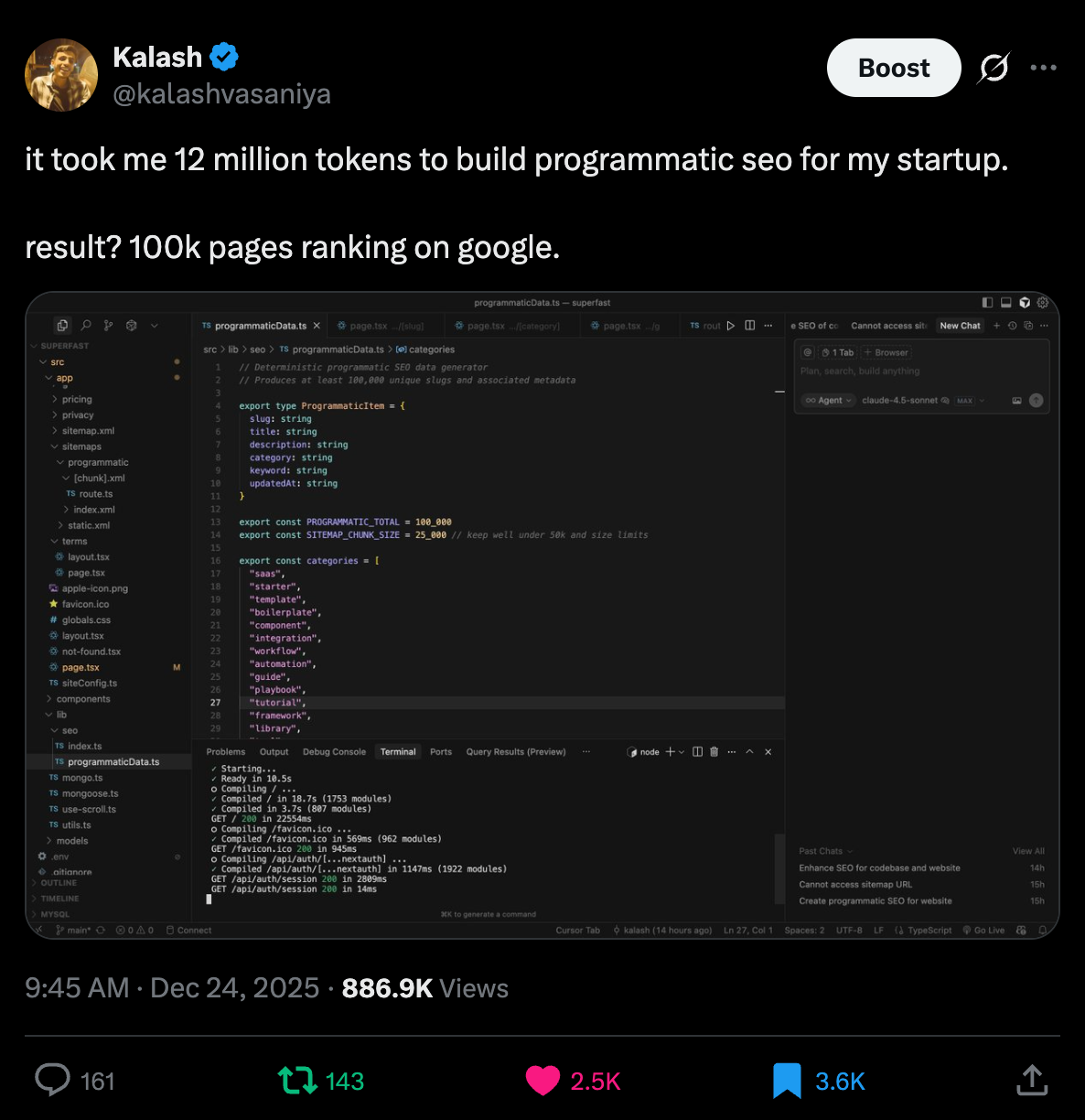
On December 24, 2025, I posted a tweet about programmatic SEO.
It exploded.
More than 800,000 views.
The post made its way into Twitter’s global news feed and introduced me to an audience I had never reached before.
Three days later, I launched SEOitis as part of a 12-hour startup challenge.

The launch video crossed 350,000 views.
I made my first dollar before midnight.
But the viral tweet wasn’t the real breakthrough.
The real breakthrough was what happened after.
I stopped treating distribution like luck and started treating it like a product.
SEOitis: Distribution on Autopilot
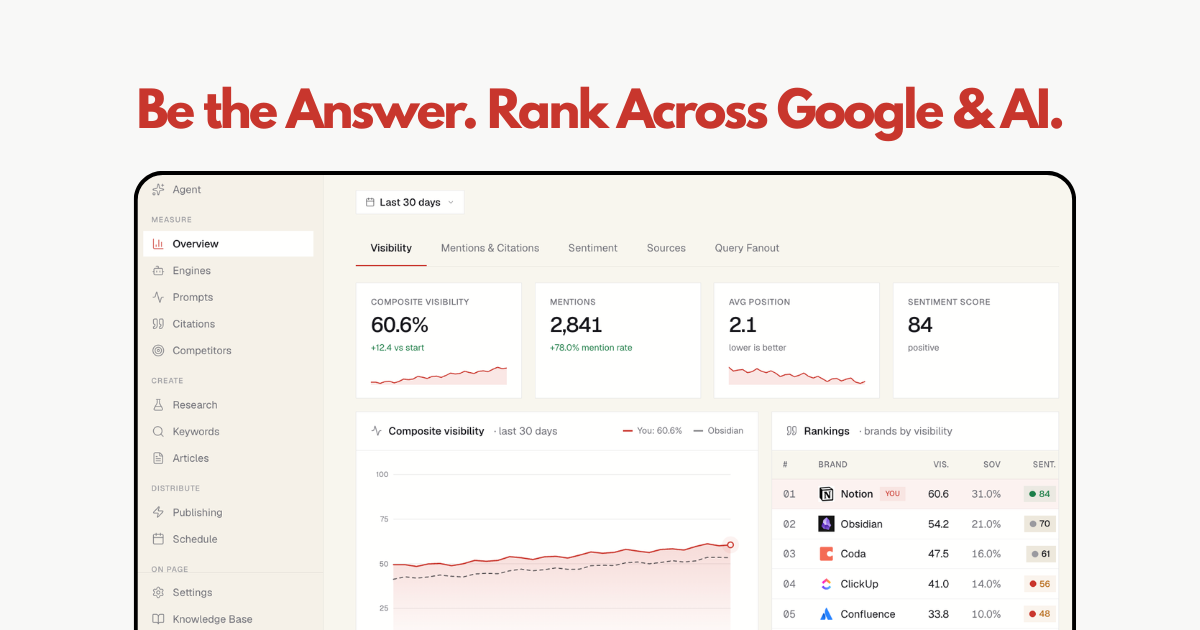
SEOitis isn’t just an SEO tool.
It’s an autonomous content engine.
You paste your website URL.
SEOitis crawls your business, researches keywords, generates content in your brand voice, adds internal links, creates FAQ schema, updates llms.txt, scores quality, and publishes directly to your CMS.
Eight stages.
Fully automated.
Nothing below an 85/100 quality score gets published.
I built it because I was tired of manually writing blog posts while trying to run multiple startups.
Distribution shouldn’t consume your entire week.
The results were immediate:
My own websites started ranking without me touching a keyboard.
Users began paying $49/month for AEO and GEO features that help them rank inside ChatGPT, Perplexity, and other AI search systems.
The product started selling while I slept because the problem was obvious: everyone wants traffic, but very few people want to spend hours creating content.
SEOitis eventually became the distribution engine behind everything else I build.
Not social media.
Not cold outreach.
Compounding search traffic.
$4,000 Per Month: How the Stack Adds Up
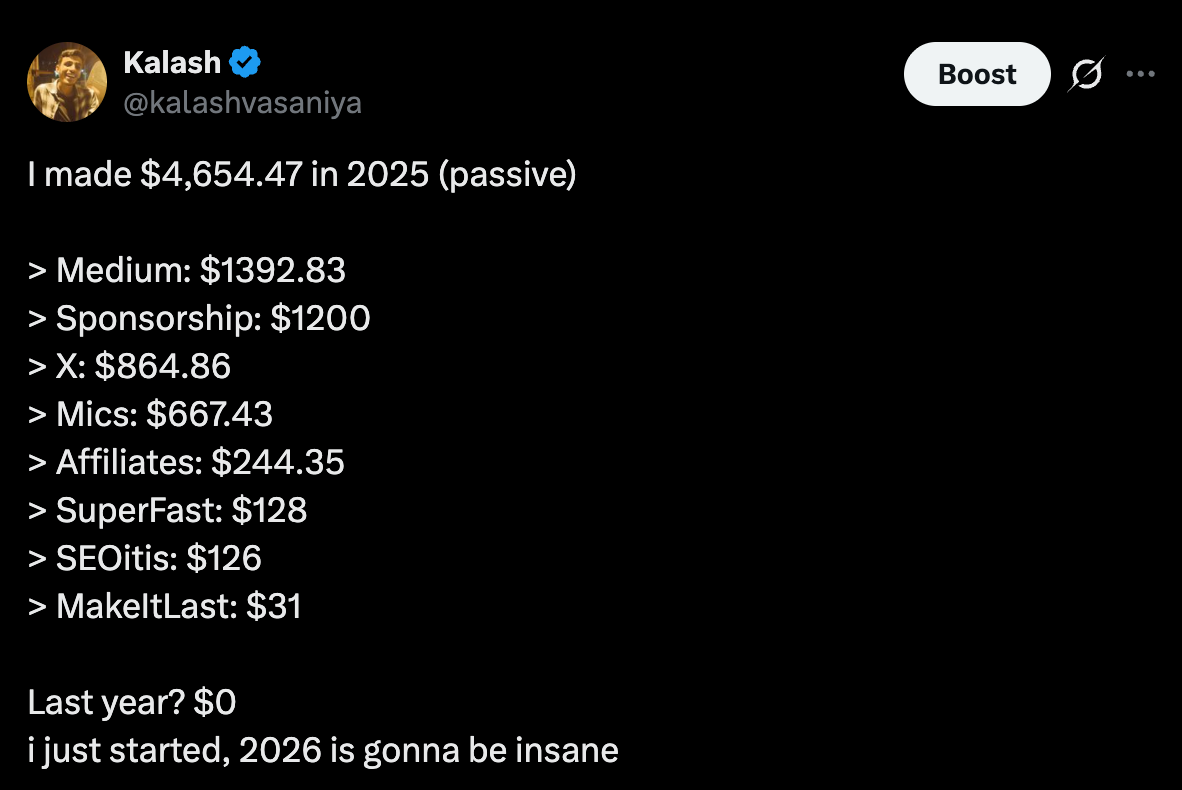
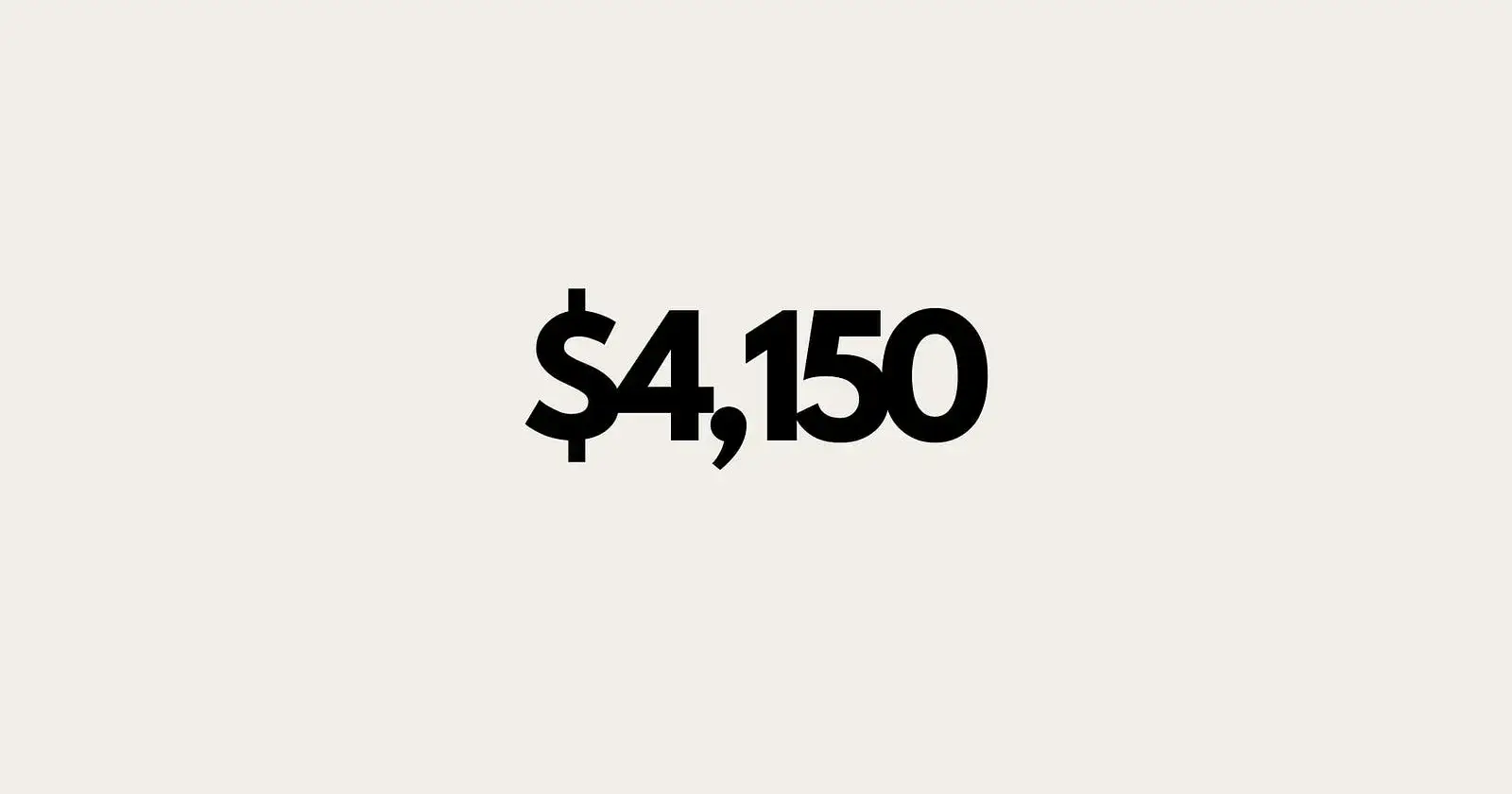
By January 2026, I crossed $4,500 in monthly revenue.
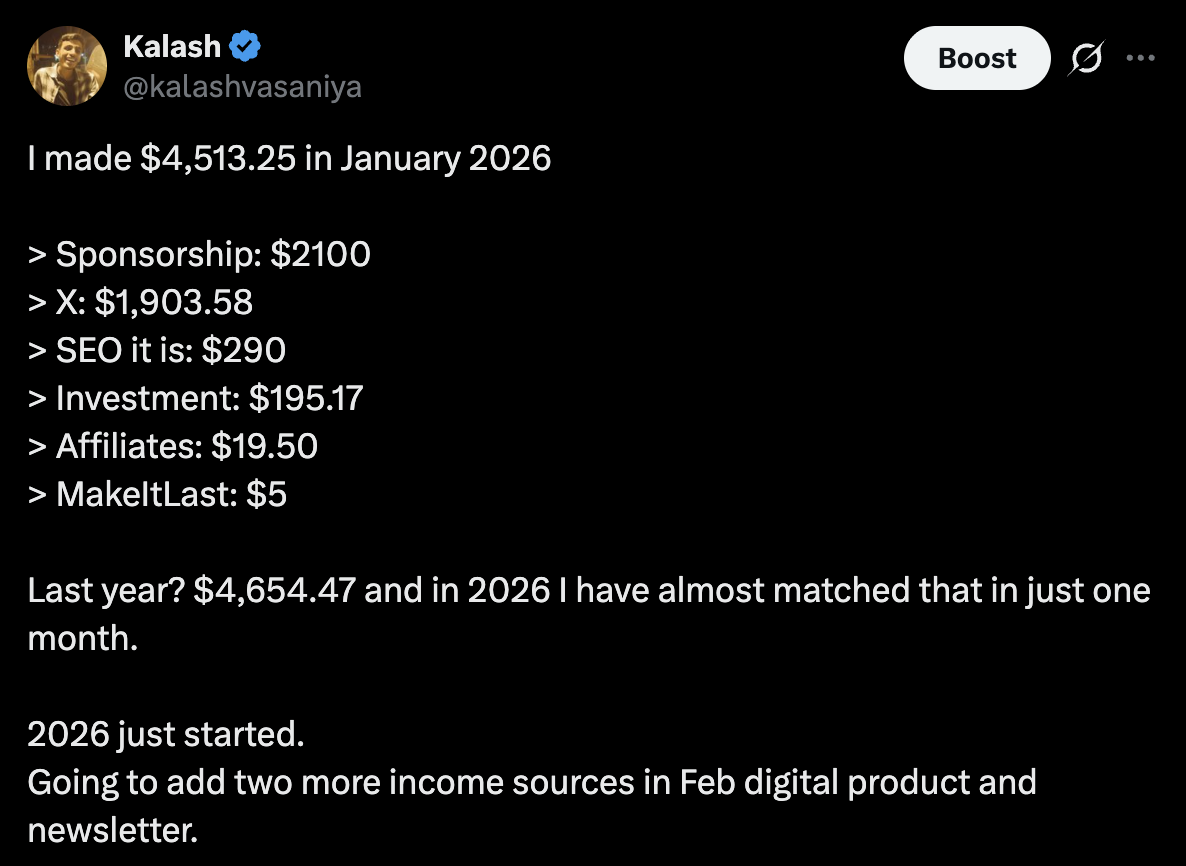
Today, the business generates roughly $4,000 per month consistently.
Not because of one lucky launch.
Not because of one viral tweet.
Because of stacked systems.
Revenue comes from:
SEOitis subscriptions
SuperFast lifetime and recurring plans
MakeItLast purchases
ScrollLaunch premium launch packages
Affiliate and content income
The pattern is always the same:
Build something useful.
Automate the repetitive parts.
Let distribution work in the background.
How I Automated My Startups
Here’s what automation looks like across my products.
1. SEOitis — Content Distribution
Keyword research, content briefs, article generation, rewrites, internal linking, metadata, schema generation, quality scoring, and publishing.
Everything runs automatically.
A complete article takes 60 to 120 seconds.
I don’t write blog posts anymore.
The system does.
2. ScrollLaunch — Launch Distribution
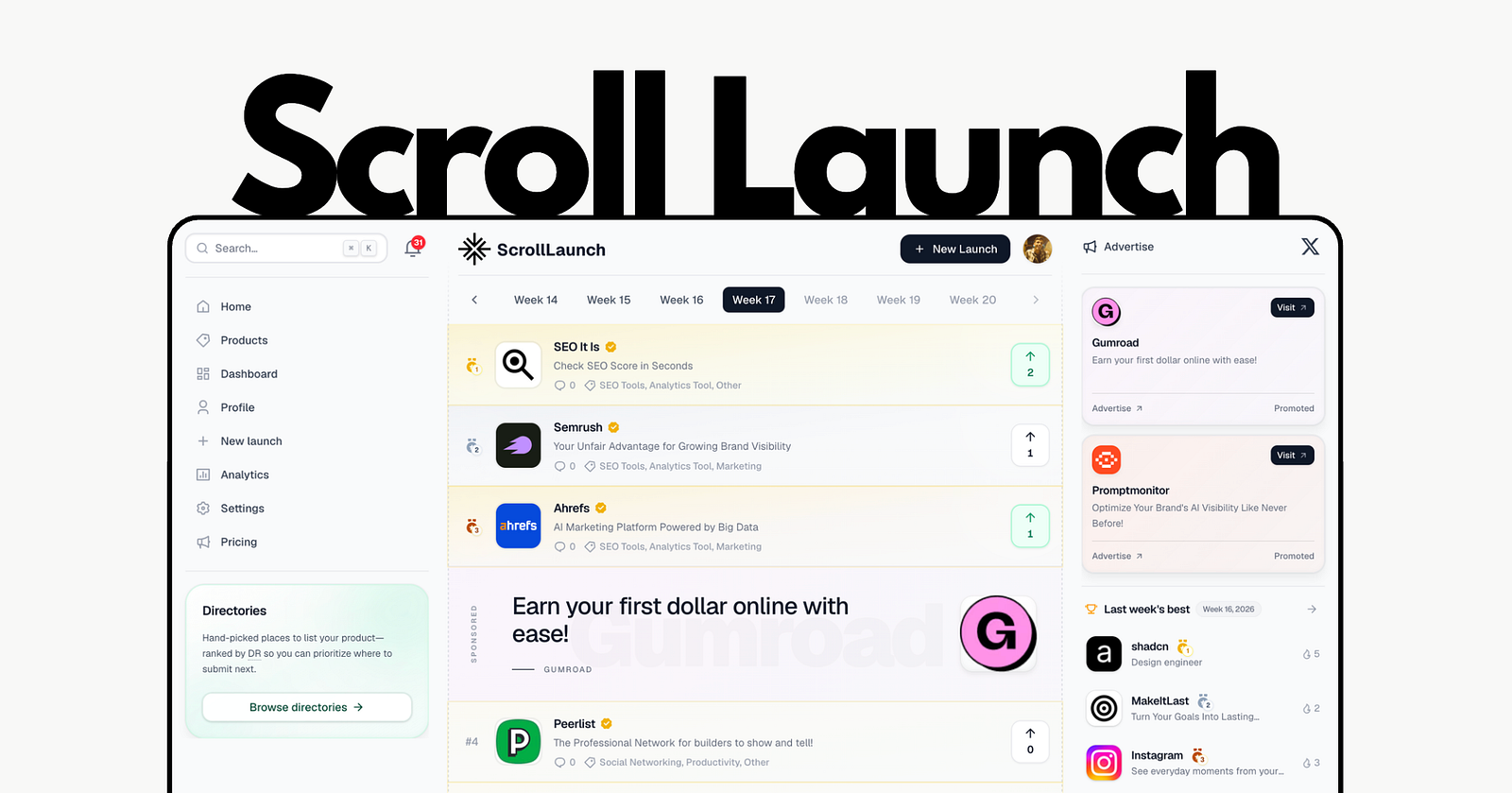
ScrollLaunch is a launch platform for indie makers.
Founders submit products, climb weekly rankings, earn high-authority backlinks, and get discovered by builders, search engines, and AI systems.
The entire weekly cycle runs automatically.
Submissions, voting, rankings, and directory listings happen without manual intervention.
3. MakeItLast — Accountability Distribution

MakeItLast combines public accountability with progress tracking.
Users connect Stripe, Dodo Payments, Polar, or Lemon Squeezy, and their revenue updates automatically on a public profile.
I built it because attention without direction is noise.
Public accountability turns attention into action.
4. SuperFast — Shipping Distribution
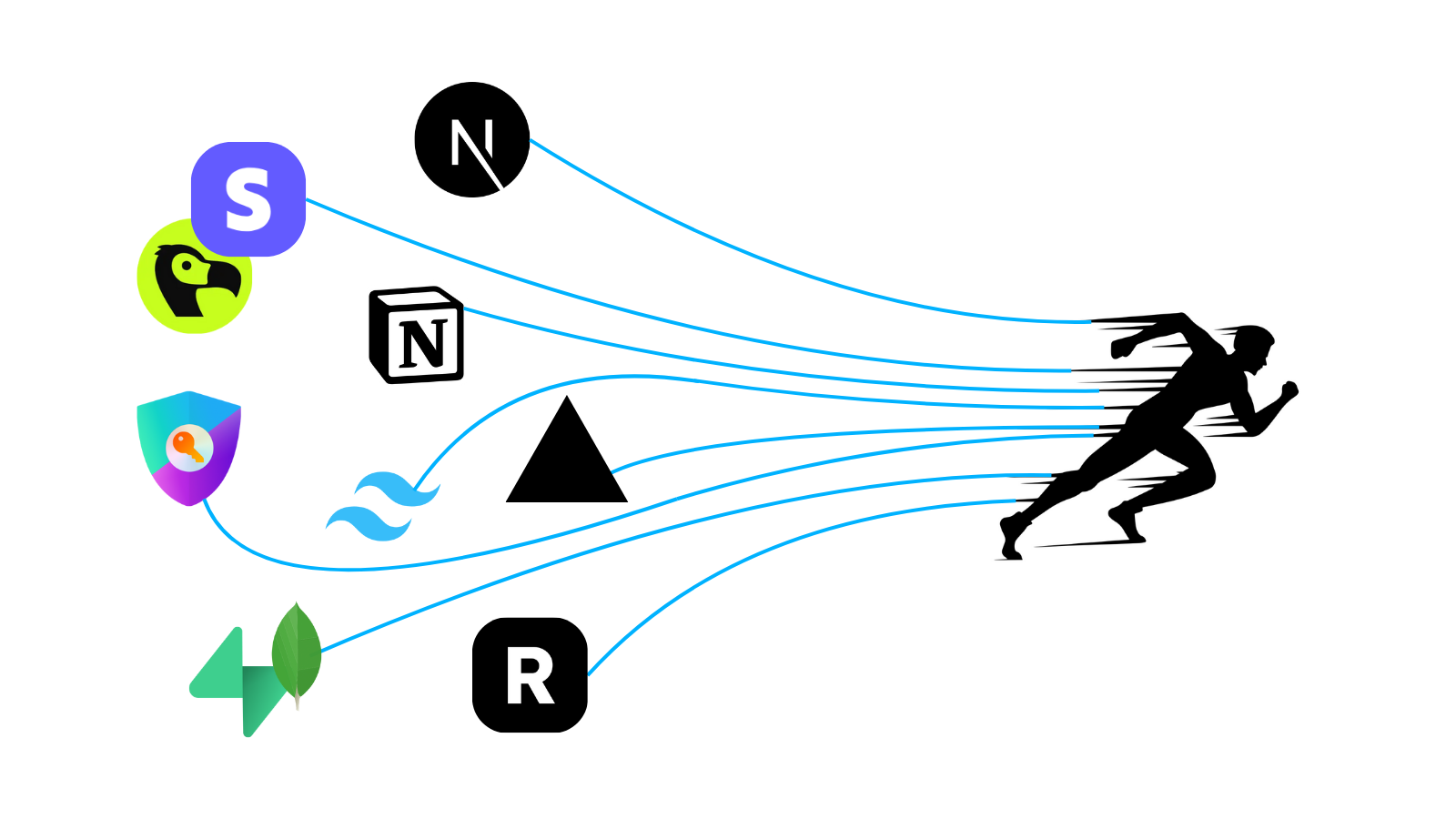
SuperFast is the foundation behind every startup I launch.
Authentication, payments, SEO, email infrastructure, legal pages, and everything required to launch quickly are already built.
Instead of rebuilding infrastructure every time, I focus on distribution and customer problems.
Four products.
Four layers.
Content.
Launches.
Accountability.
Speed.
That’s the system.
What Cracking Distribution Actually Means
Most founders think distribution means going viral.
It doesn’t.
Distribution means building systems that consistently put your product in front of the right people.
For me, that required three major shifts.
1. Stop Building in Silence
Building in public created the first wave of momentum.
The tweets.
The launch videos.
The daily updates.
But momentum eventually fades.
2. Build Distribution Into the Product
SEOitis publishes content.
ScrollLaunch promotes launches.
MakeItLast makes progress visible.
The products distribute themselves.
3. Automate Everything That Repeats
Keyword research.
Content creation.
Revenue tracking.
Launch cycles.
If I found myself doing something manually twice, I automated it the third time.
“Distribution is not a launch-day problem. It’s a system you build and let run.”
What I’d Tell My Past Self
If you’re sitting at zero users right now, here’s what I’d tell you.
1. Your Product Is Probably Fine. Distribution Isn’t.
Stop adding features.
Start getting discovered.
2. One Viral Moment Is Not a Strategy.
Build systems that work when you’re offline.
SEO.
Directories.
Public accountability.
Automated content.
Assets that compound.
3. Automate the Boring Work.
Writing.
Publishing.
Tracking.
Reporting.
Revenue syncing.
Protect your time so you can focus on talking to customers and shipping improvements.
4. Stack Small Products Instead of Chasing One Moonshot.
My income didn’t come from one breakthrough startup.
It came from multiple products working together:
Content income
Small bets that compound over time.
I’m not special.
I simply stopped treating distribution as something that happens to you and started building it like a product.
If you’re building something today, automate distribution before you automate anything else.

Join Kalash on Peerlist!
Join amazing folks like Kalash and thousands of other builders on Peerlist.
2
2
2