

Designing for everyone: Accessibility features that set standards
Before diving deep into accessibility, let’s look at “What is Inclusive Design?” to get more understanding into the blog.
Inclusive Design: Solve for one and extend to many
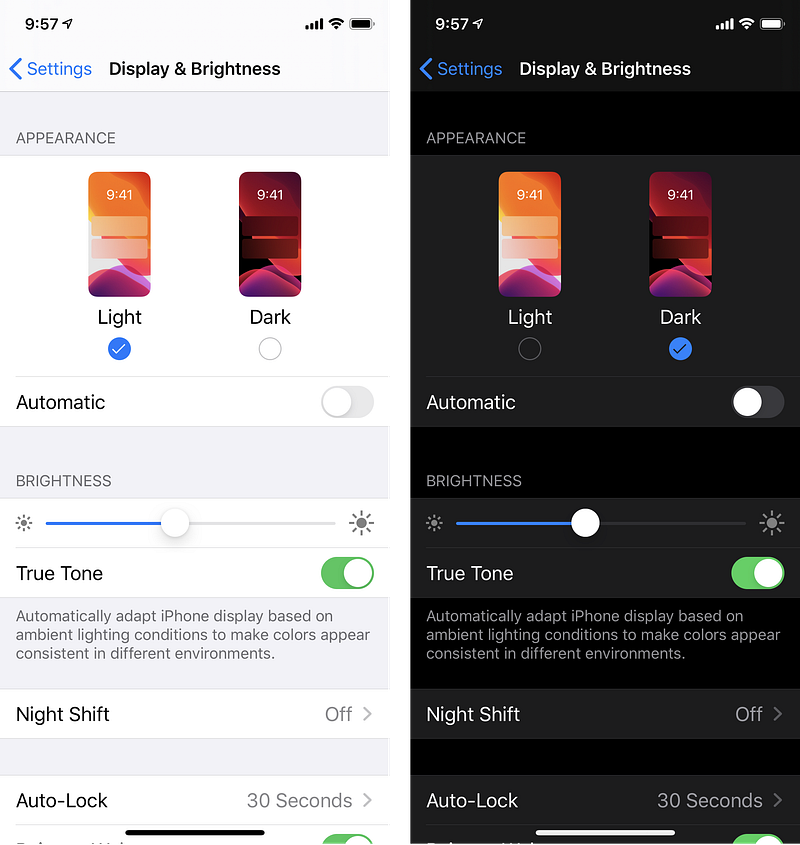
Inclusive design builds products and expereinces that are accessbile and Usable by people with various needs and abilities. For example, Dark mode was initially designed for users with low vision, but now has become a popular feature.
What is Accessibility?
Design solutions that address the needs of people with disabilities.
Accessibility ensures that a product is usable by everyone, including people with disabilities. It focuses on removing barriers and providing an inclusive experience through features like screen readers, keyboard navigation, color contrast, and closed captions. A well-designed accessible interface improves usability for all users.

Let’s explore key accessibility features that set the standards of Digital product design.
1. Apple Haptics
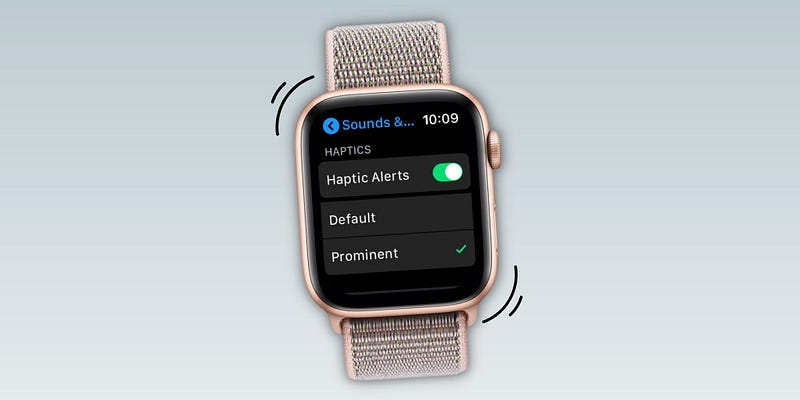
Heptic feedback feature of Apple watch, is to provide subtle, tactile vibrations for alerts, navigation and notifications. This enhances accessibility allowing users to get information through touch, making interactions more intuitive especially for people with visuals or hearing impairments.
2. Medium’s Alt text-voice over feature
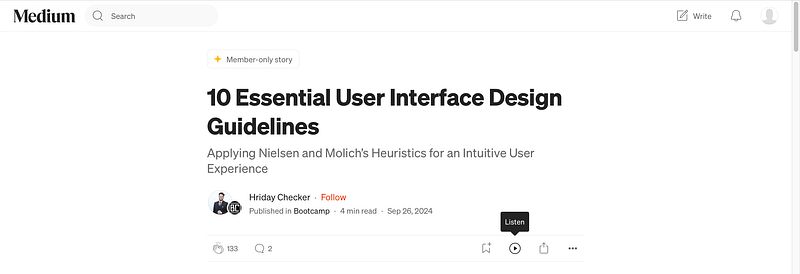
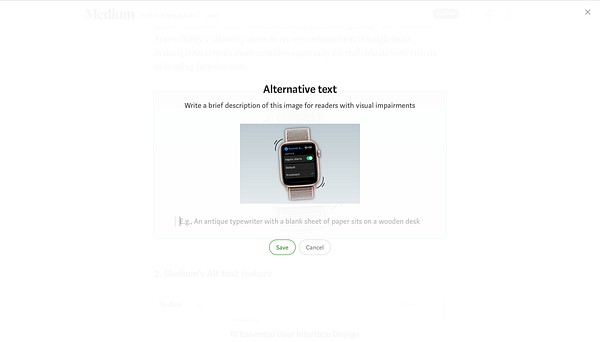
Alt-text and VoiceOver features offered in medium enabling visually disabled users to listen to articles and blogs. The Alt-text feature offers image descriptions and enhance accessibility. These features also let buy users who prefer to listen to the latest content while working.
3. Netflix’s customisable Accessibility feature
Closed captioning and Adjustable font subtitles features offered in Netflix, allows users to personalise text style, size and color for usable and accessible experience.

Conclusion
At the end, i would like to say that, As a UX designer creating products that are accessible to everyone is essential, helping improve the lives of individuals with special needs.

Join Kashyap on Peerlist!
Join amazing folks like Kashyap and thousands of other builders on Peerlist.
0
0
0