

Claims Management System for Insurance—Do You Need a Standalone or Integrated One?
Standalone vs. Integrated Claims System: Understanding the Right Choice
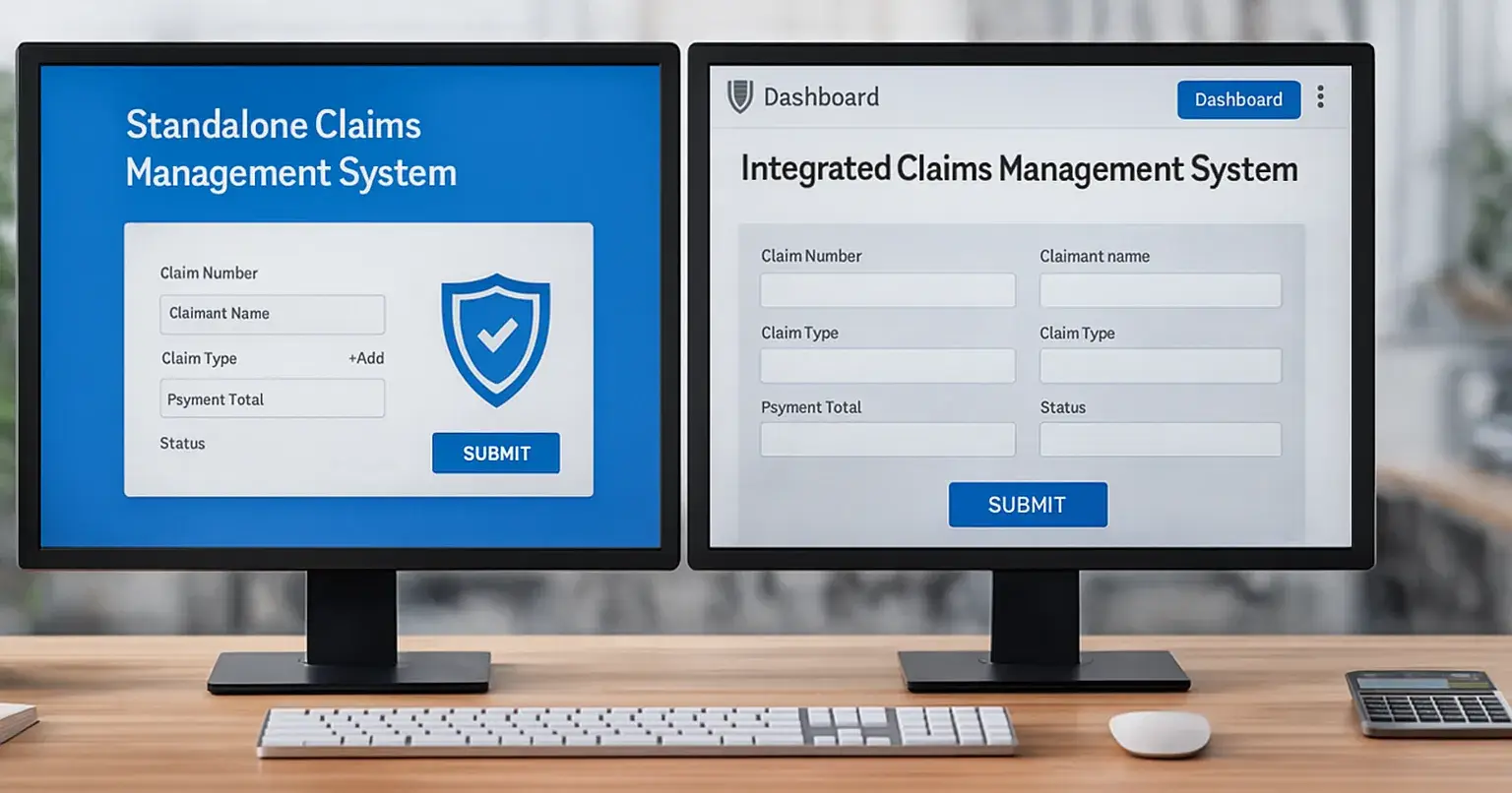
What's the biggest technology decision that insurance firms face today? Choosing the right claims management system. Insurance firms struggle with this choice daily: standalone systems focused solely on claims processing, or integrated platforms that connect claims to every aspect of their business operations.
The root of this uncertainty comes from how these systems work within the insurance ecosystem. Standalone claims management software runs on its own and handles only claims processing workflows. On the other hand, integrated systems work smoothly with policy administration, customer relationship management, and financial modules.
Money plays a big role in making this choice. Standalone systems might look cheaper up front, but unexpected costs pop up when companies need to connect different pieces of software.
Standalone vs. Integrated Claims Management Software: Key Factors That Distinguish These Solutions
The main difference between standalone and comprehensive insurance claims management software comes from their basic structure and how they work.
Standalone claims management software works independently and focuses only on claims processing. These systems handle specific tasks such as claim intake, assessment, settlement, and payment without connecting to other insurance operations. Standalone solutions are great at what they do but require extra work to integrate with other business systems.
Integrated insurance claims management software works as a natural part of a complete insurance platform. These systems combine claims processes smoothly with policy administration, customer information, billing, and reporting modules. Instead of working alone, integrated claims management systems for insurance enable information to flow naturally across the entire insurance process.
A few important things set these systems apart.
Data Accessibility—Standalone solutions usually create information silos that need special interfaces to fix, while integrated systems give immediate access to data across functions.
Deployment Time—The setup process is also quite different. Standalone solutions are faster to deploy for specific needs. Integrated platforms need more original setup time but work better in the long run.
Cost Structure—The cost structure is quite different between these systems. Standalone claims management systems for insurance might cost less at first, but often end up more expensive over time. This happens because they need ongoing maintenance of multiple interfaces and extra work to match data between separate systems. Integrated claims solutions necessitate higher upfront investment but eliminate long-term operational expenses through central data management and automated operations.
Integrated Claims Management Software: Resolving the Limitations of Standalone Systems
Insurance companies that use standalone claims management software face growing operational challenges. Their fragmented tech systems create disjointed experiences that impact efficiency and customer satisfaction. The comprehensive insurance claims management software overcomes the shortcomings of standalone and isolated systems.
1. Eliminating Data Silos and Improving Information Continuity
Data silos from standalone systems make the claims processing difficult. Claims adjusters can't quickly access the information they need when it's scattered across different platforms. This leads to delays and unhappy customers. An integrated claims management solution gives everyone a combined view, and they work from a single source of truth. This approach stops duplicate data entry and cuts down on transcription errors that often cause claim denials.
2. Streamlining Workflow Automation and Reducing Manual Intervention
Isolated claims systems need too many manual workarounds. The rule engines in integrated platforms handle claim routing, task assignment, notifications, and issue escalation automatically. Simple claims benefit the most from automation, which enables adjusters to focus on complex cases that need human judgment.
3. Enhancing Customer Experience with Unified Interaction Channels
Policyholders today want Amazon-like experiences with instant updates and digital convenience. Standalone systems can't deliver this smooth experience. Integrated platforms offer self-service portals where customers submit claims, track progress, and upload documents in one place. This central approach eliminates repeat information requests and speeds up payments, which boosts satisfaction scores.
4. Strengthening Fraud Detection Through Analytics
Integrated systems detect fraud better through detailed data analysis. They connect adjusters, claimants, vendors, and managers through shared workflows and live information. This helps spot patterns across claims, so insurers catch suspicious activities they might miss otherwise. Advanced systems use predictive analytics to detect fraud, estimate severity, and assess litigation potential.
5. Facilitating Regulatory Compliance and Audit Readiness
Insurance companies with fragmented systems struggle with regulatory compliance. Integrated claims management systems for insurance track everything through audit trails and protect data integrity with secure access controls. They generate reports for state and federal agencies automatically. These systems also watch for new or changing regulations, which help insurers avoid penalties and keep customer trust.
Key Aspects to Consider When Implementing an Integrated Claims System Software
Insurance companies need to look at several key factors to make their integrated claims management system work. A good technology investment depends on how well you assess these elements.
I. Choosing the Right System Architecture
The foundation of good claims management starts with picking the right architecture. Cloud-based solutions give you flexibility and lower IT costs, while on-premises systems let you control sensitive data better. Your architecture should work with current workflows and adapt as your business grows. The structure you pick must blend with existing systems to avoid problems during the switch.
II. Compliance, Security, and Regulatory Considerations
Insurance claims software must follow strict rules that change based on region and business type. A resilient infrastructure with encryption and access controls will keep customer data safe. The system should track everything and update automatically when regulations change to reduce compliance risks.
III. Advanced Analytics and Reporting Capabilities
Good claims systems give you applicable information through customizable dashboards and real-time reports. These analytics tools spot bottlenecks, show trends, and track how adjusters perform. The right solution uses informed decisions to make operations better and customers happier.
IV. Vendor Selection and Technical Expertise
Your vendor's insurance industry experience will make implementation smooth. Take time to check their methods, support options, and future plans. Look at their technical skills and how well they train people to help your team adapt to the new system.
Final Words
Modern insurers face a crucial choice when picking the right claims management system. Standalone insurance claims software might offer specialized features and quick setup, but it creates data silos that impact efficiency and leave customers unhappy. Adjusters waste time jumping between different platforms, which slows down claims and frustrates everyone involved.
Integrated claims management systems solve these problems by integrating smoothly with the entire insurance process chain. These systems break down data silos and create optimized workflows. They boost customer satisfaction, catch fraud better, and make it easier to follow regulations. While they need more setup time at first, integrated platforms work better in the long run and keep operations running with greater precision.

Join Ken on Peerlist!
Join amazing folks like Ken and thousands of other builders on Peerlist.
0
3
0