

7 Founders Who Turned Ideas into Gold - How They Made Their First $1 and Built Momentum
Learn the real marketing tactics, pain points they solved, and how you can apply these timeless strategies to build your own income-generating business.
"Every great business story begins with one moment - the first dollar earned."
It’s not glamorous. Often it’s a late night, a quick experiment, a little bit of hustle. But that first transaction does more than prove your idea works. It validates the pain point you’re solving, teaches you what customers really want, and gives you the confidence to keep going.
Think about it: Apple’s first computers were built in a garage. Airbnb’s first dollars came from selling cereal boxes at a conference. Canva was born from a simple observation about how complicated design tools were for non-designers.
Each of these founders started with one thing in common: they understood a pain point deeply and dared to test a solution no waiting for perfect funding or perfect timing.
In this article, we’ll break down 7 companies that made their first dollar against all odds. You’ll see how they identified the problem, the clever ways they validated their ideas, and the exact tactics that landed their first paying customers.
these stories will show you one thing: getting to your first dollar is less about resources and more about resourcefulness.
Canva – Design Made Simple
The Idea: Melanie Perkins noticed her classmates struggling with Adobe tools in university. The learning curve was painful, and she believed design could be much simpler.
Identifying the Pain Point: She started with a small product, Fusion Books, to help students create school yearbooks. The success proved there was a larger market.
Making the First $1: Perkins and co-founder Cliff Obrecht ran workshops at universities and pitched the tool relentlessly. Their first dollar came from a school paying for a yearbook license.
Lesson: Canva didn't launch with a complex product; they started with a niche solution and built trust before scaling.
"Start by solving a small, painful problem for a specific group. Scale from there."

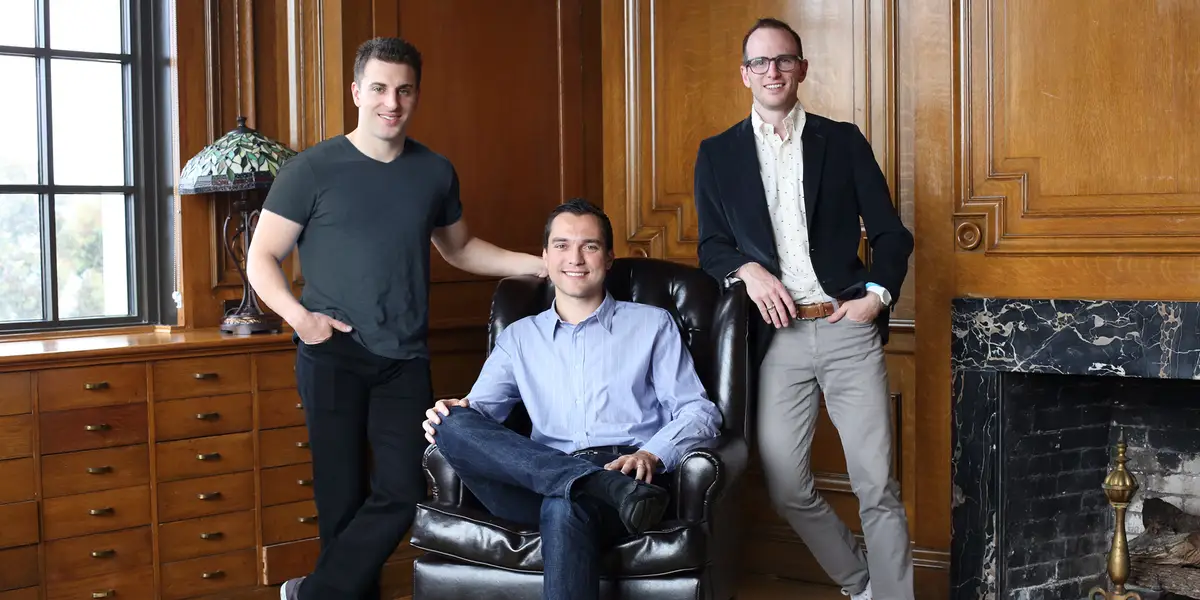
Airbnb – Hustle Beyond Belief
The Idea: Brian Chesky and Joe Gebbia couldn’t afford rent in San Francisco. They realized conferences filled hotels to capacity and offered air mattresses in their apartment as an alternative.
Identifying the Pain Point: They validated the idea during a design conference, realizing travelers wanted affordable, local experiences.
Making the First $1: They charged $80/night to three guests. This early validation led to creating a website and later, the cereal-box marketing stunt (Obama-O’s and Cap’n McCain’s) that funded their first scale-up.
Lesson: Airbnb’s story shows you can turn desperation into opportunity if you listen to customers’ needs.
Buffer – Content First, Product Second
The Idea: Joel Gascoigne hated manually scheduling tweets. He built a landing page that explained the product idea and asked visitors to sign up.
Identifying the Pain Point: He validated demand when users gave their email before the product existed.
Making the First $1: Joel added a pricing page and customers started paying for early access before a full product was even built.
Lesson: "Validate the idea before building the product. People paying is the ultimate proof."

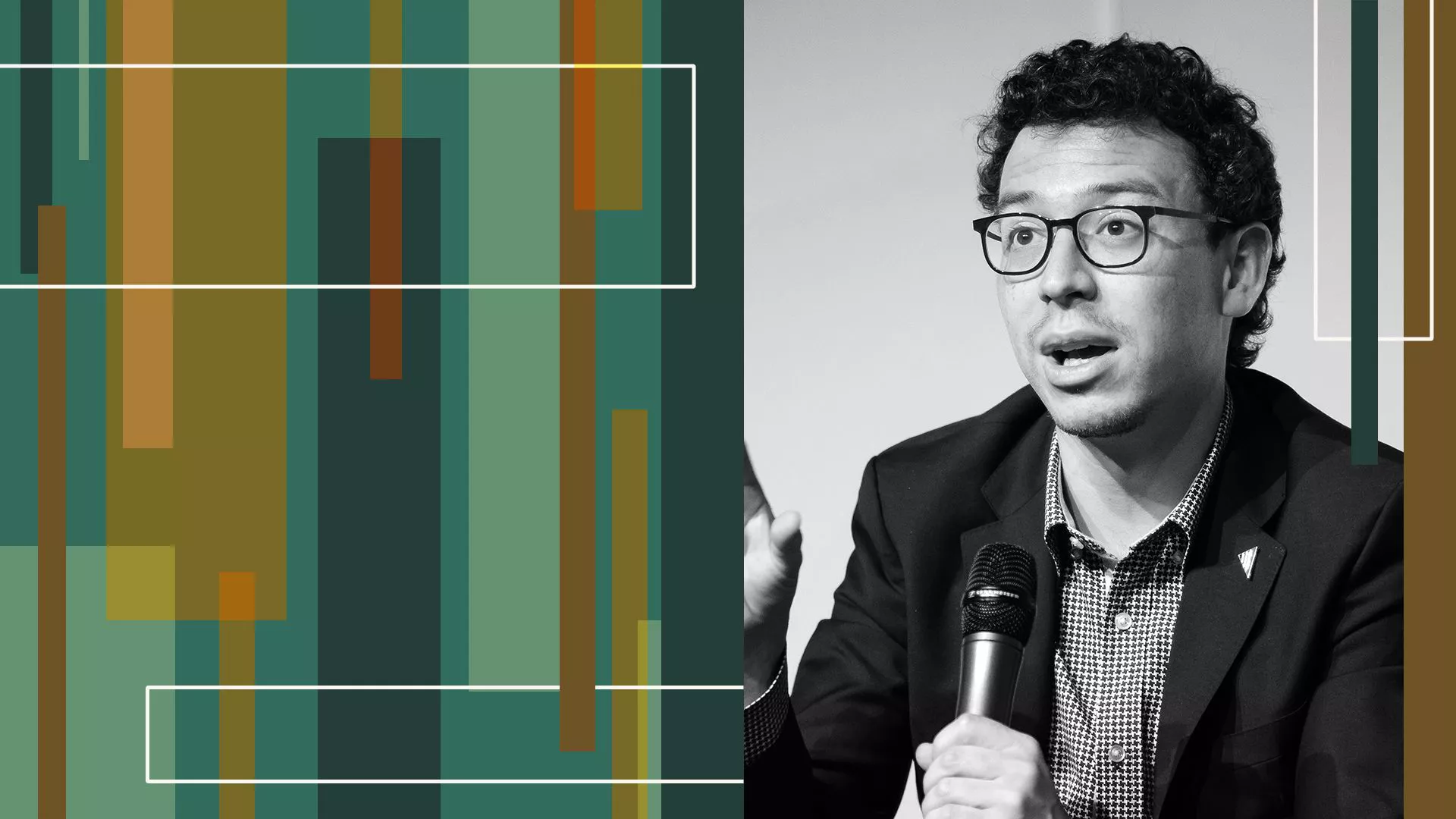
Duolingo – Education for the Masses
The Idea: Luis von Ahn wanted to make language learning fun and accessible worldwide.
Identifying the Pain Point: Traditional language learning was expensive and ineffective.
Making the First $1: Duolingo earned its first dollar by crowdsourcing translations for companies while providing free learning to users. Paid certifications came next.
Lesson: They monetized side value without disrupting user experience.
Shopify – Solving Your Own Problem
The Idea: Tobias Lütke wanted to sell snowboards online but was frustrated with the existing e-commerce tools. He built his own platform.
Identifying the Pain Point: Other entrepreneurs started asking to use the platform, proving demand.
Making the First $1: Shopify pivoted to offering e-commerce software as a service and landed its first merchant paying subscription fees.
Lesson: Solve a problem you’re intimately familiar with it’ll resonate with others.

Slack – The Accidental Success
The Idea: Slack wasn’t even meant to be Slack. Stewart Butterfield and team built it as an internal chat tool while working on a failed gaming startup.
Identifying the Pain Point: The tool made internal communication much easier.
Making the First $1: Early teams in their network asked for access, and Slack offered paid plans for larger organizations.
Lesson: Pay attention to the “tools” you build internally sometimes that’s the real product.

Mailchimp – From Side Hustle to Giant
The Idea: Ben Chestnut and Dan Kurzius ran a web design agency and built Mailchimp as an internal tool for clients needing email campaigns.
Identifying the Pain Point: Clients wanted to send beautiful, trackable emails without coding.
Making the First $1: They sold access to Mailchimp for small fees to their existing agency clients.
Lesson: Start by serving the customers already in front of you.

The path to your first dollar is rarely linear. Canva started with school yearbooks. Airbnb sold cereal boxes to keep their idea alive. Buffer charged for a product that didn’t exist yet.
What unites all of these founders is not luck, but the ability to spot pain points and act fast. They didn’t wait for investors, the “perfect” tech stack, or flawless branding. They went out, talked to people, solved a specific problem, and earned their first dollar.
If you’re building something today, remember this:
You don’t need millions of users. You need one paying customer.
Validation is action, not assumptions.
Small wins compound into big wins.
So go out there. Launch the MVP. Knock on doors. Send those DMs. Put your product into someone’s hands.
Because one day you’ll look back at that first dollar and realize it was the most important one you ever earned.

Join Kishor on Peerlist!
Join amazing folks like Kishor and thousands of other builders on Peerlist.
6
18
0