

How These 7 Female Founders Bootstrapped Their Companies
Learn how these seven women bootstrapped their businesses, shattered norms, and earned their first dollars with genius marketing tactics.
Great companies aren’t born, they’re forged at the edges of discomfort, where passion meets stubborn refusal to accept the status quo.”
Imagine seven women, each with a humble idea, no venture capital, and a fierce belief that “good enough” wasn’t good enough. They spotted pain points that everyone else overlooked and turned them into multi-million-dollar bootstrapped success stories.
In today’s article, we dive deep into the origin stories of seven female-founded, fully bootstrapped businesses. You’ll learn:
How each founder stumbled upon an unmet need
The moment they realized “this will work” and why they were ready to bet everything
The societal norms they shattered
The exact marketing or growth tactic that sparked their first consistent revenue
These stories will arm you with actionable insights and the conviction to defy convention. Because if these women could build empires on nothing but grit, imagination, and scrappy marketing, nothing is stopping you from doing the same.
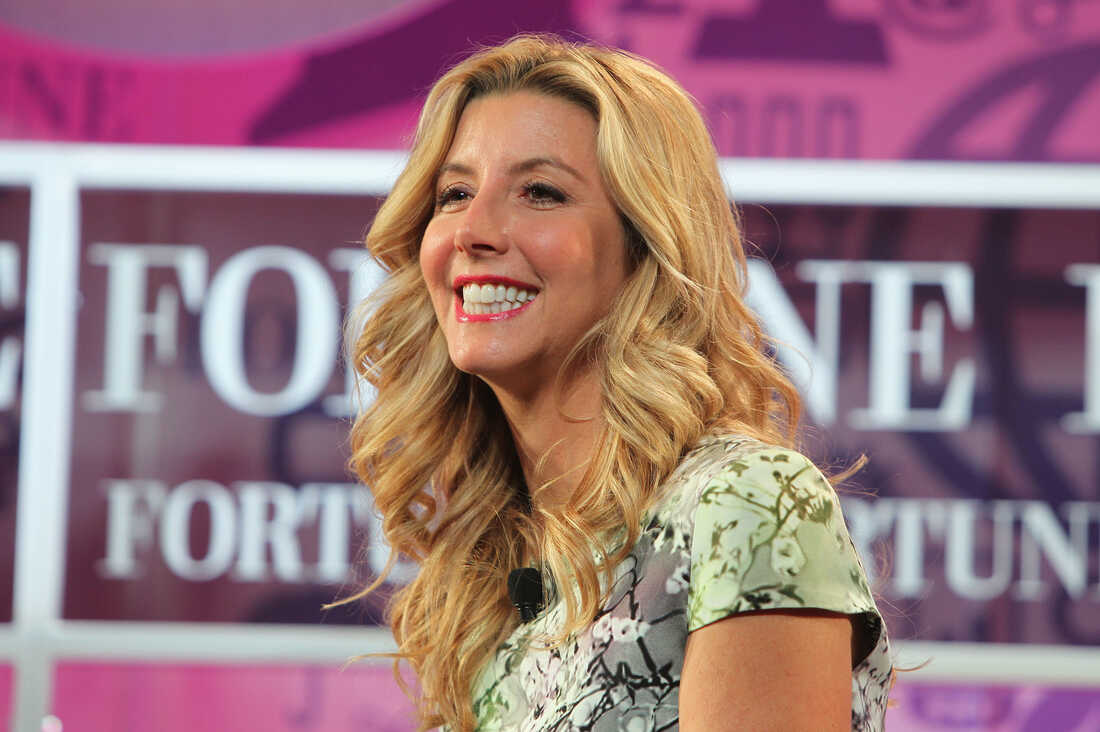
1. Spanx (Sara Blakely): From Fax Machine to Fortune
Idea Genesis
In 1998, Sara Blakely was a 27-year-old door-to-door fax-machine salesperson in Atlanta, frustrated by traditional shapewear that rolled, pinched, and suffocated. One night, she cut the feet off her control-top pantyhose to smooth her silhouette under cream slacks, and an empire was born.
Finding the Pain Point
Blakely discovered that women simply wanted comfortable, invisible undergarments that enhanced curves without drawing attention. She surveyed friends, tested dozens of prototypes, and realized the million-dollar insight, comfort plus confidence equals word-of-mouth gold.
Defying Conventions
At a time when women-led consumer products were rare, Blakely cold-called hosiery mills only to be laughed off. Undeterred, she convinced one mill owner’s daughter to give her a shot, mortgaging her $5,000 savings to produce the first 1,000 pairs.
Bootstrapped Breakthrough
The 800-number TV pitch: Without a marketing budget, Sara wrote and starred in her infomercial, demonstrating Spanx’s magic live on camera.
Guerrilla PR: She sent prototype packages to Oprah’s stylist, landing a “Favorite Thing” shout-out that exploded orders overnight.
Referral engine: Early customers were so thrilled they posted before-and-after photos online, turning personal blogs into free advertising.
Lesson for Founders: When the budget is zero, turn customers into storytellers. Public demonstrations + genuine delight = exponential reach.
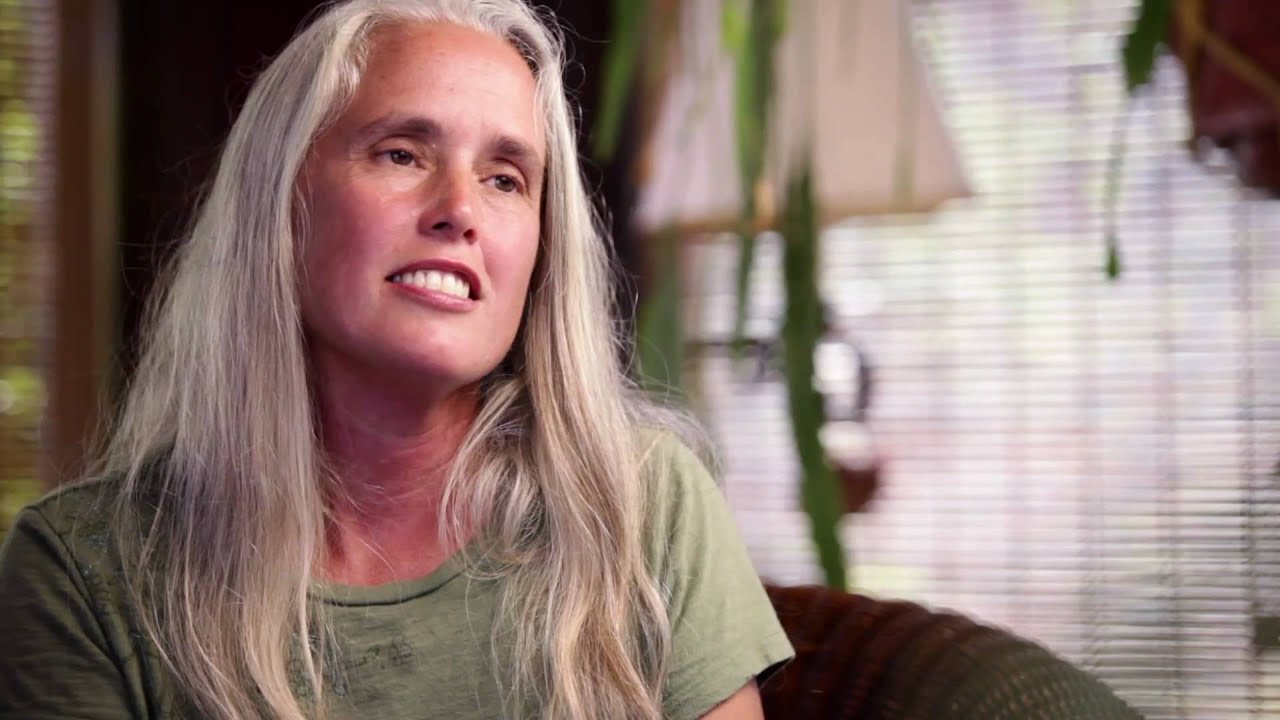
2. Annie’s Homegrown (Annie Withey & Andrew Martin): Organic Revolution from a Basement
Idea Genesis
In 1989, Annie Withey was a cookbook-writing vegan who experimented with organic pasta sauces in her basement. Frustrated that health-food stores lacked kid-friendly, tasty options, she bottled her “Made-From-Scratch” sauce and sold it at local farmers’ markets.
Finding the Pain Point
Parents wanted wholesome dinners without artificial ingredients, but mass-market brands either tasted bland or cost a fortune. Annie’s sauces hit the sweet spot: real ingredients, family-friendly flavors, and a simple “rabbit logo” that resonated with eco-moms.
Defying Conventions
Organic food was a niche “granola” stereotype. Annie and co-founder Andrew slept on the factory floor, hand-labeling jars and personally delivering them to independent grocers long before Whole Foods made organics mainstream.
Bootstrapped Breakthrough
Farmers’ market buzz: They showcased free samples, offered cooking demos, and sparked word-of-mouth among local food bloggers.
Mom-blogger network: Annie wrote guest posts on parenting sites in the early 2000s, sharing recipes and organically weaving in her brand story.
Regional distributor pitch: Armed with sales from 200+ markets, they convinced small distributors to carry Annie’s, gaining shelf space in over 500 stores within two years.
Lesson for Founders: Get product in hands and mouths first. Authentic experiences and storytelling convert skeptical audiences into evangelists.
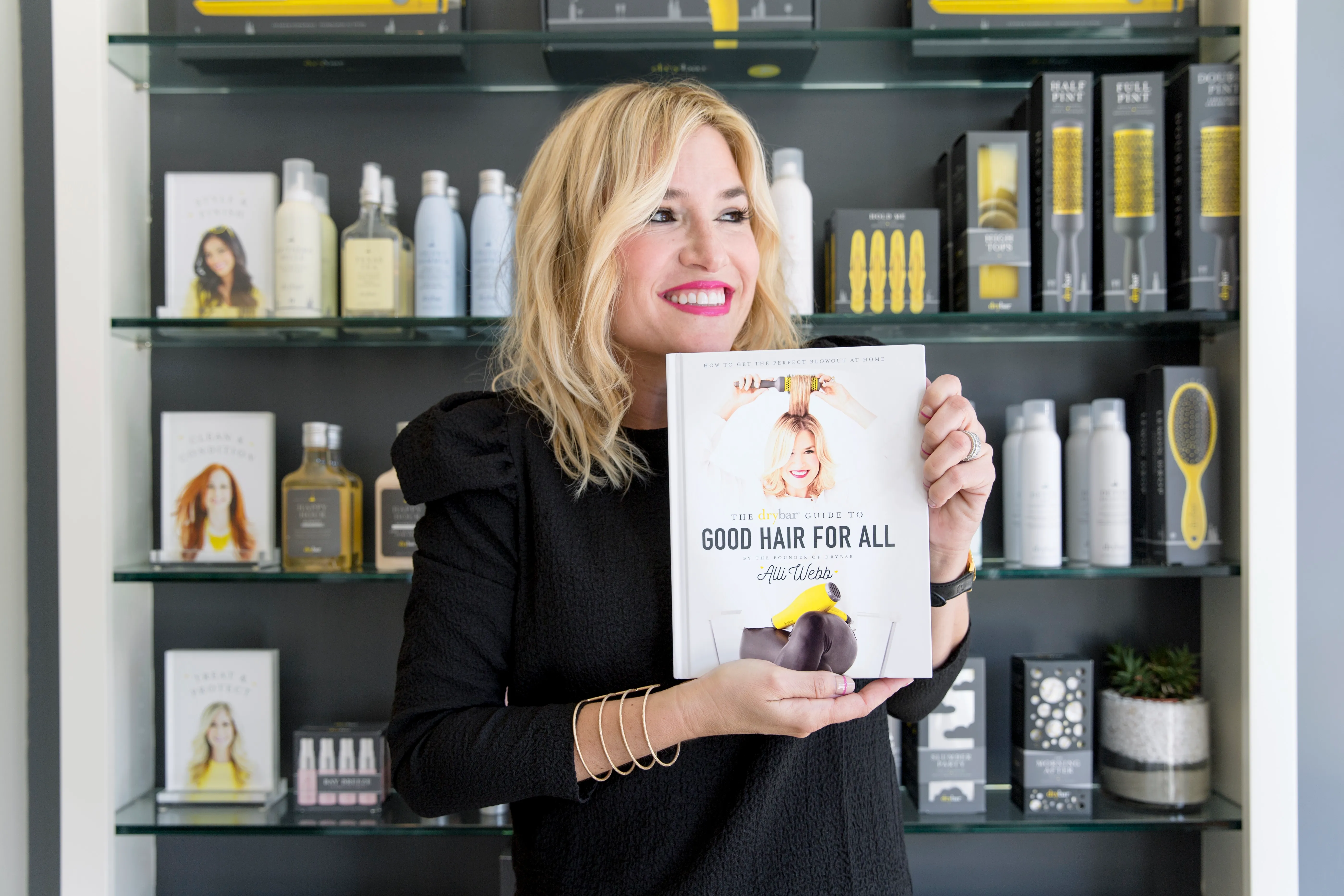
3. Drybar (Alli Webb): Blowouts and Brand Rituals
Idea Genesis
In 2010, hair stylist Alli Webb noticed two truths: women crave “out-of-bed” hair that feels effortless, and traditional salons treated styling as an afterthought. Alli sketched her vision on a napkin: a salon dedicated solely to blowouts, with no cuts or color, just luxury styling at an accessible price.
Finding the Pain Point
Jessica’s pain point wasn’t a bad haircut, it was the chore of styling herself every morning. Drybar promised a 45-minute escape: champagne, banana clip stations, and consistent “blow & go” looks you could recreate at home.
Defying Conventions
Beauty salons were transactional. Alli turned styling into an event complete with branded hair wraps, retail lines of “Barbie pink” tools, and a menu named after cocktails (the “Cosmopolitan” curl, “Manhattan” root lift).
Bootstrapped Breakthrough
Social salon: Clients were encouraged to snap selfies under the signature yellow walls Drybar’s Instagram account grew organically to 100K followers in months.
Referral incentives: Bring a friend and both receive $20 off your next service. Word-of-mouth bookings doubled month over month.
Pop-up events: Alli hosted free mini-blowout stations at local festivals, press events, and college campuses, turning casual passers-by into booked appointments.
Lesson for Founders: Build a brand experience as unforgettable as the product. When customers feel part of the story, they become unpaid ambassadors.
4. Earth Mama Organics (Jillian Johnson): Nurturing Families Naturally
Idea Genesis
After becoming a first-time mom in 2002, Jillian Johnson struggled to find truly organic, non-toxic baby care products. Everything on the shelf felt overly scented or chemical-laden. She blended her own lotions in her kitchen and shared them with new–mom friends, and the feedback was unanimous: “You’ve got something special.”
Finding the Pain Point
Mothers were paranoid about toxins but lacked transparent, safe alternatives. Jillian identified a gap: certified-organic, plant-based formulas in sustainable packaging.
Defying Conventions
Pharmaceutical giants dominated the baby-care aisle. Jillian bootstrapped Earth Mama Organics by selling at local birth centers, farmers’ markets, and natural-foods expos long before “clean” became a buzzword.
Bootstrapped Breakthrough
Educational marketing: She wrote articles on baby-skin science and hosted live “Mommy & Me” demos at Whole Foods, positioning herself as an expert rather than just a vendor.
Sampling subscription: Jillian created a low-cost “pamper pack” sampler, driving sampling through midwife networks; 60% converted to full-size purchases.
Community co-creation: Early customers voted on new scents and product lines via simple email polls, turning them into invested co-founders.
Lesson for Founders: People trust experts. Anchor your brand in education and co-creation to build credibility and a loyal tribe.
5. The Sill (Eliza Blank): Bringing Houseplants to the Masses
Idea Genesis
In 2012, Eliza Blank was stuck in a tiny New York City apartment with no green thumb. When she couldn’t find a local shop that sold houseplants delivered with easy-care instructions, she started offering curated kits from her living room.
Finding the Pain Point
Urban millennials loved the idea of plants but feared killing them. Eliza tapped into that anxiety, packaging each plant with a stylish pot, care cards, and an app-linked “plant doctor” hotline.
Defying Conventions
Plant shops were dusty, intimidating, and inconsistent. The Sill’s sleek logo, clean white boxes, and branded green tape made unboxing a delight and reoriented houseplants from chore to décor.
Bootstrapped Breakthrough
Instagram storefront: Gorgeous flat-lays and time-lapse “plant-blossom” videos turned The Sill into a visual feast, attracting thousands of organic followers before any paid ads.
Subscription model: A “Plant Parent” monthly box delivered new species and exclusive pots—locking in predictable, recurring revenue from launch day.
Pop-up partnerships: Eliza negotiated pop-up shops inside Coachella’s VIP lounges and Soho House, giving city elites a hands-on introduction.
Lesson for Founders: Combine product with platform. A standout visual identity plus social proof can turn a commodity (a houseplant) into a coveted lifestyle accessory.
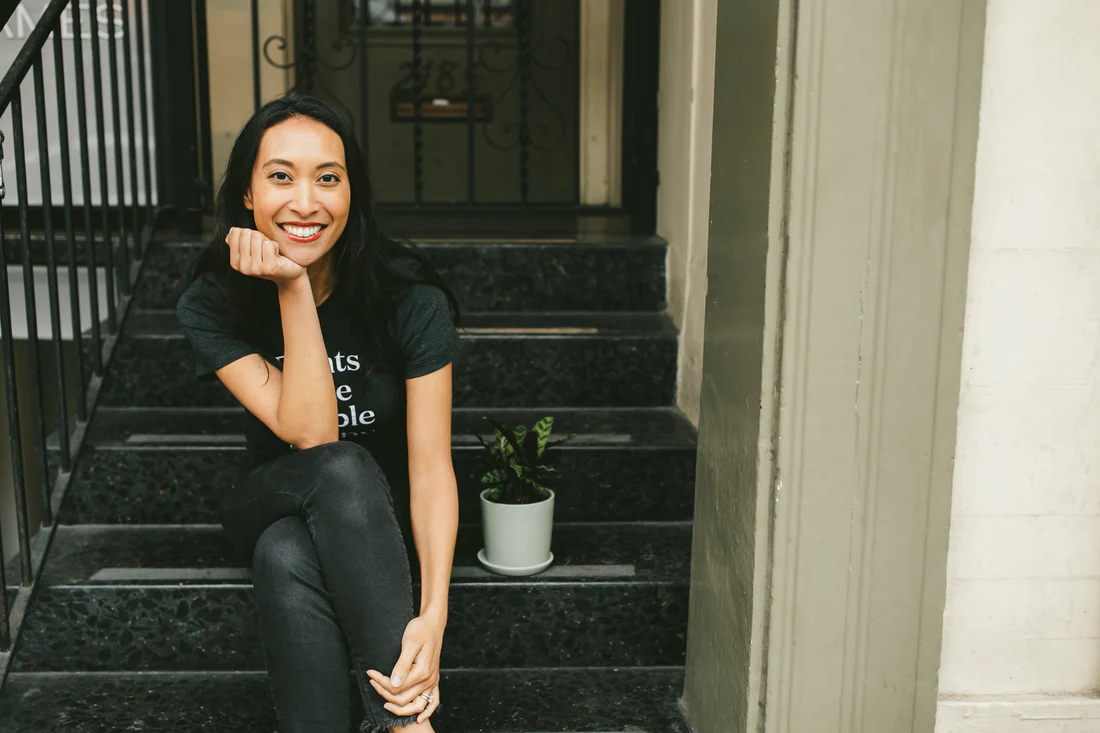
6. Pressed Juicery (Joanna Geraghty & Kate Emerson): Cold-Pressed Credibility
Idea Genesis
In 2010, Joanna Geraghty and Kate Emerson were frustrated by juice bars that charged a premium but left you feeling headachy and bloated. They invested $10,000 of personal savings into a refurbished creamery machine to cold-press nutrient-dense green juices no heat, no compromises.
Finding the Pain Point
Health enthusiasts wanted raw extraction to preserve enzymes, but most juice bars relied on centrifugal machines that oxidized the juice. Joanna and Kate saw fellow juicers sacrificing purity for convenience and pounced on the gap.
Defying Conventions
Bolt-on cafes were modest. Pressed Juicery opened a white-walled storefront with glass-front cold-press machines, inviting passers-by to “watch the magic.” They offered a 3-day juice cleanse challenge that turned first-time buyers into month-long subscribers.
Bootstrapped Breakthrough
Clean Label Marketing: They published ingredient sourcing stories down to the California farm, building trust among food-safety–obsessed consumers.
Micro-events: Free “ juice shots” at SoulCycle studios and Lululemon events, converting fitness junkies into loyal customers.
Loyalty app: A simple punch-card in their mobile app rewarded every 10th juice free, driving frequency without high ad spend.
Lesson for Founders: Transparency sells. When you remove the curtain on craft and sourcing, customers pay a premium for authenticity.
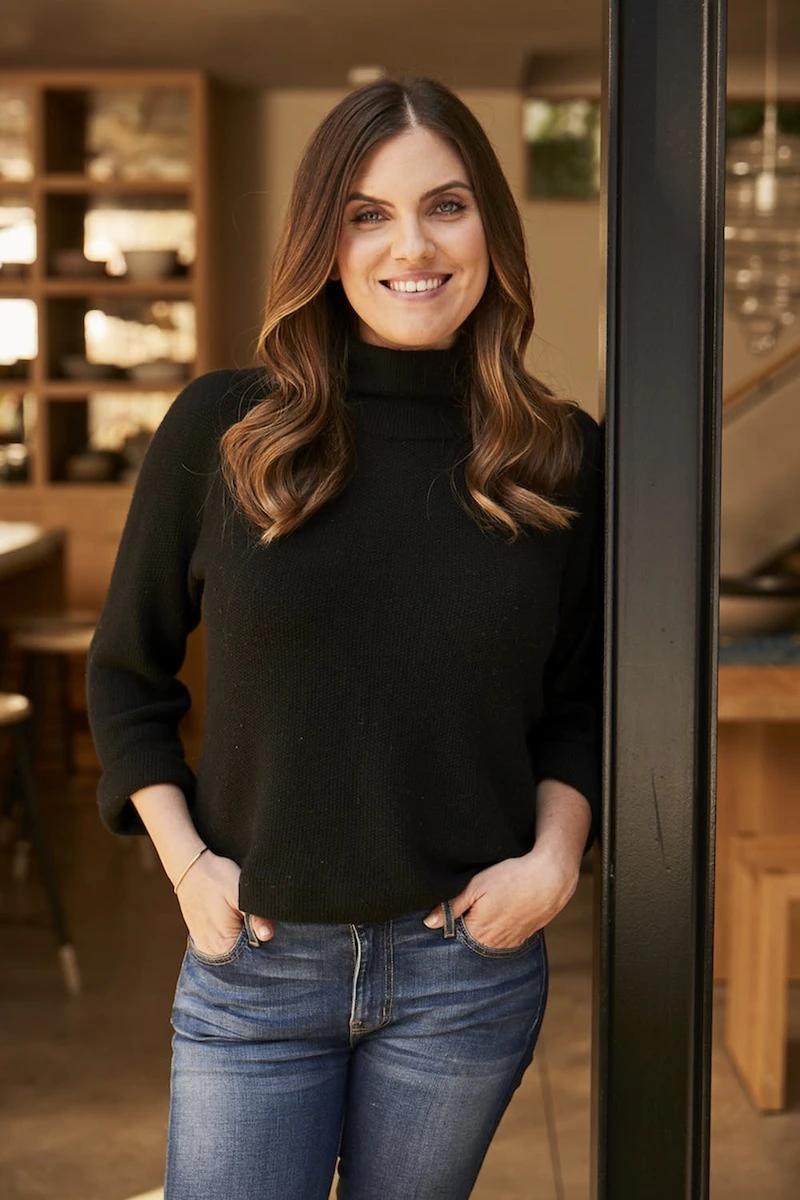
7. Thinx (Miki Agrawal): Rewriting the Rules of Period Care
Idea Genesis
In 2011, frustrated by bulky pads and leaky tampons, Miki Agrawal sketched “period underwear” prototypes on her living-room floor. She pitched the concept at hackathons and asked 200 women to test her prototypes 93% said they’d pay for a leak-proof, eco-friendly alternative.
Finding the Pain Point
Traditional menstrual products were inconvenient, wasteful, and taboo. Miki saw an opportunity to destigmatize periods and inject style into intimate care.
Defying Conventions
Feminine care was always sold quietly, in pastel packaging. Thinx launched with bold, unapologetic campaigns “Underwear for your period” and sold direct-to-consumer via provocative social ads.
Bootstrapped Breakthrough
Crowdfunding hype: A $5,000 Kickstarter test campaign exceeded its $10,000 goal in 48 hours, validating demand and earning press coverage.
Influencer seeding: Miki sent prototypes to female athletes, activists, and micro-influencers, sparking organic Instagram testimonials.
Content marketing: Thinx’s “Period Stories” blog invited personal narratives, fostering community and word-of-mouth growth.
Lesson for Founders: Tackle taboo boldly. When you solve a universal pain point and refuse to whisper your value, you stand out and spark movements.
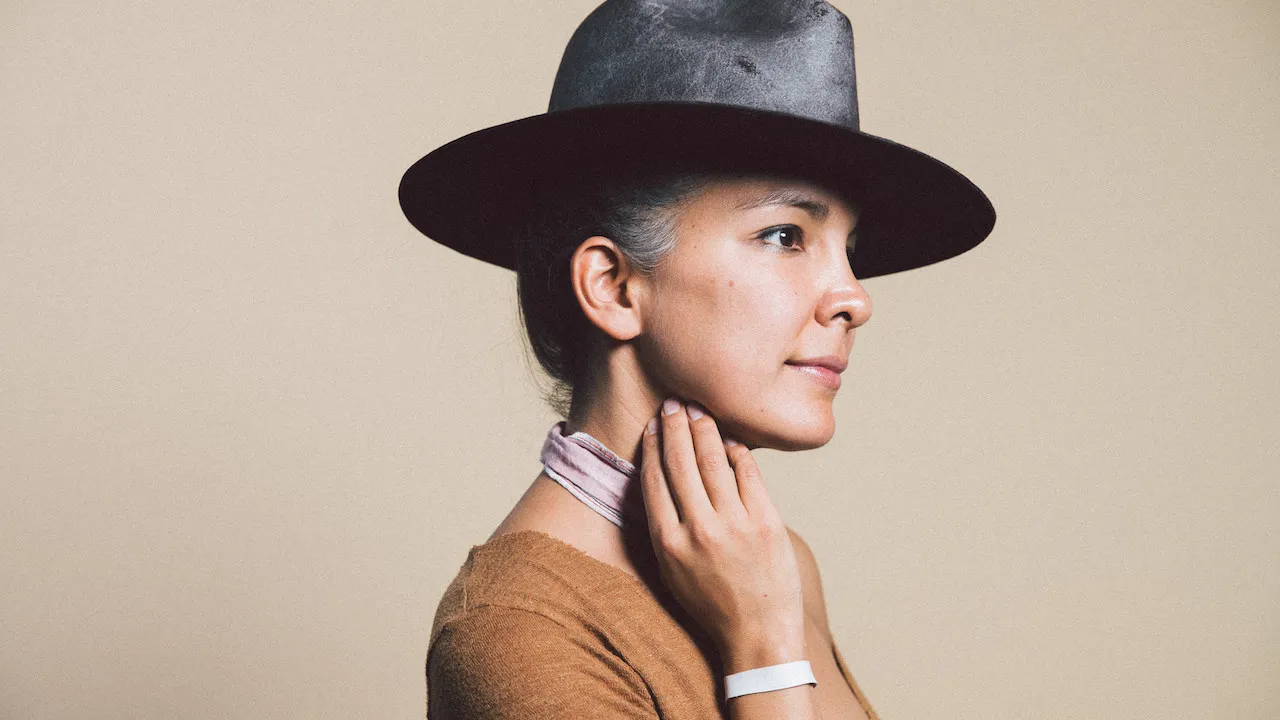
To conclude, these seven women share more than bootstrapped bank accounts; they share a mindset:
“If the map says ‘no roads here,’ build your own.”
Spot a universal frustration. Sara Blakely felt suffocated; Annie Withey felt uninspired; Alli Webb felt overlooked.
Prototype obsessively. From kitchen counters to hackathons, real user feedback was their compass.
Stage a guerrilla launch. Informercials, farmers’ markets, pop-ups, and social media, each founder chose the channel that resonated most with her audience.
Invite customers into the story. Whether through referral programs, co-creation surveys, or community blogs, they turned buyers into brand ambassadors.
You don’t need a boardroom or a term sheet. What you do need is a relentless focus on a pain that won’t go away, then a marketing tactic that cuts through the noise and puts your solution in their hands.
So, what’s your unmet pain point? Where will you refuse to take “no” for an answer? Remember: the first dollar is never about money, it’s proof that someone, somewhere, values what only you can offer.
Now go build the roadmap no one else can see and let the world follow.

Join Kishor on Peerlist!
Join amazing folks like Kishor and thousands of other builders on Peerlist.
0
11
0