

5 Coca-Cola Marketing Tactics Every Startup Can Copy to Win Early Customers
Learn how Coca-Cola’s early marketing tactics nostalgia, storytelling, grassroots branding, and more can help startups go from idea to first dollar.
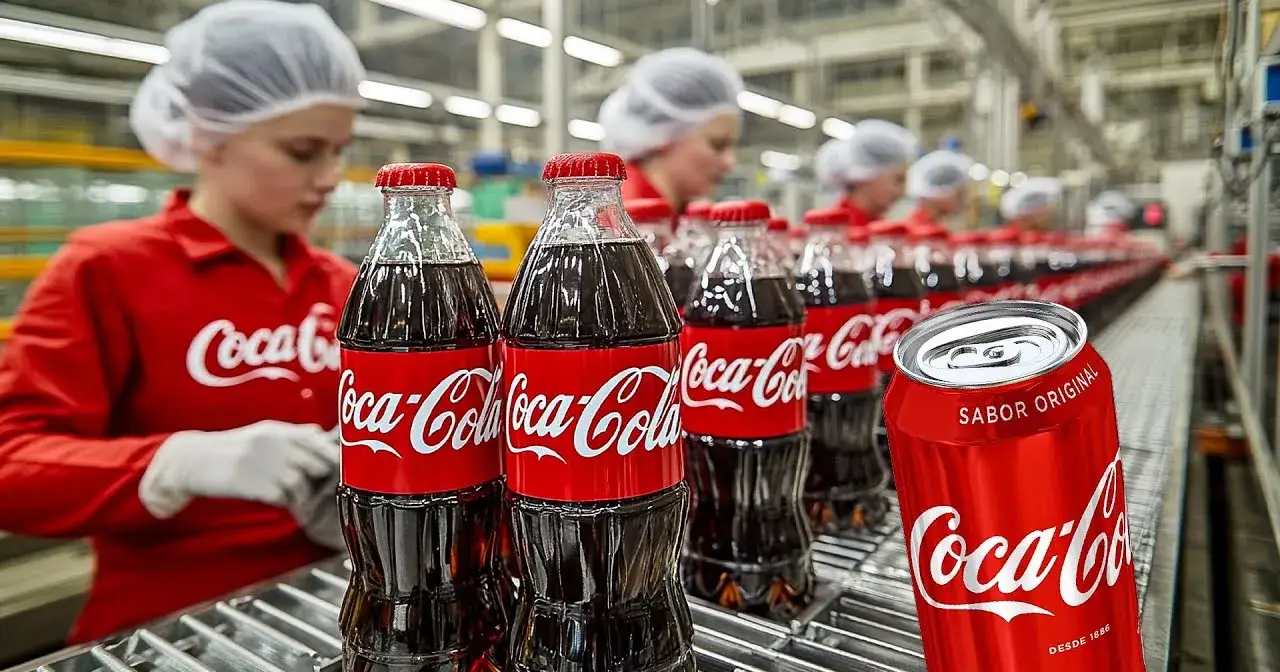
Imagine standing in Atlanta in 1886, a tiny glass filled with a caramel-colored syrup in your hand. No global brand, no bottling plants, no billion-dollar ad campaigns just a pharmacist named John Pemberton experimenting with a curious new drink. There’s no guarantee anyone will buy it, no marketing department to shout about it, no distribution empire. Yet this single experiment would eventually become Coca-Cola, one of the most recognizable and valuable brands on the planet.
But here’s what most people miss, Coca-Cola didn’t scale because of luck, or because they had endless money to burn. They scaled because, at the earliest stage when they had zero customers and not a single dollar of revenue they deployed simple, scrappy tactics that any founder today can borrow.
From free-drink coupons to clever partnerships with soda fountains, from instantly recognizable branding to emotional seasonal campaigns, they mastered the art of turning “an idea in a glass” into a movement that spread city by city, customer by customer.
And that’s exactly what this article is about. we’re going to break down Coca-Cola’s Zero-to-First-Dollar playbook into actionable steps you can apply to your own startup if you’re selling software, coffee, or a new consumer gadget.
You’ll learn:
The 6 core tactics Coca-Cola used to acquire their first customers.
Why each tactic worked on a psychological and market level.
The results and impact these tactics delivered historically.
By the end, you’ll have a step-by-step action plan not just inspiration, but a practical set of experiments you can run in your business tomorrow morning.
Because here’s the truth: every founder is standing where Pemberton stood in 1886. An idea in your hands, a market waiting to be convinced. And like Coca-Cola proved, the right early moves can change everything.
Marketing Lesson 1: Free-Drink Coupons & Sampling
What Coca-Cola Did
In its earliest days, Coca-Cola didn’t wait for customers to pay before tasting. Instead, Asa Candler, who took control of the brand in the 1890s, printed and distributed hundreds of thousands of free-drink coupons across Atlanta. People could redeem them at local soda fountains for a free glass of Coke.
Why It Worked
Psychologically, a free sample removes friction. It transforms “Should I risk money on this?” into “I have nothing to lose.” Once people tried Coca-Cola, its unique taste did the rest. The company also created a sense of generosity and buzz people felt they were “in on something new.”
Results
By 1913, more than 8.5 million coupons had been redeemed. Free sampling became one of the core growth engines for Coca-Cola in its early decades.
How Founders Can Apply This Today
Digital businesses: Run limited free trials or a free “first credit” for SaaS or marketplace services.
Consumer products: Print QR codes for a free sample and distribute them at relevant partner locations.
Services: Offer a “first consult free” model
Marketing Lesson 2: Partner Distribution Through Pharmacies & Soda Fountains
What Coca-Cola Did
Instead of building expensive retail infrastructure, Coca-Cola piggybacked on existing distribution channels. Pharmacies and soda fountains were popular social hubs where people already bought refreshments. By placing Coca-Cola there, they tapped into existing traffic and credibility.
Why It Worked
Trust is transferable. When customers saw Coca-Cola in a pharmacy, they assumed it was legitimate and safe. Plus, pharmacies already had steady footfall, making distribution low-cost and high-leverage.
Results
By the turn of the century, thousands of soda fountains across the U.S. served Coca-Cola daily. This was the foundation of its early national expansion.
How Founders Can Apply This Today
SaaS founders: Partner with coworking spaces, incubators, or other platforms your audience already trusts.
E-commerce: Place products in local shops or subscription boxes with overlapping audiences.
Services: Collaborate with complementary service providers.
Marketing Lesson 3: A Single Recognisable Brand Asset
What Coca-Cola Did
Coca-Cola consistently used its now-famous Spencerian script logo from the beginning. That logo appeared on signs, calendars, receipts, and even on coupon books. The brand became instantly recognizable, even in crowded markets.
Why It Worked
Consistency builds recall. By reinforcing a single visual identity everywhere, Coca-Cola ensured customers never confused them with imitators. It reduced cognitive load: you didn’t have to think twice when you saw that logo.
Results
The logo became so iconic that, decades later, Coca-Cola could spend billions on advertising and still feel consistent—because the foundations had been set early.
How Founders Can Apply This Today
Choose one logo and one color palette, and apply them everywhere—website, invoices, packaging, social media.
Resist the temptation to “rebrand” every few months.
Consistency beats creativity in early branding.
Marketing Lesson 4: Distinctive Product Design (Contour Bottle)
What Coca-Cola Did
In 1915, Coca-Cola introduced the contour bottle, designed so that even if it was broken, dark, or covered, people could still recognize it. This prevented copycats and made Coca-Cola more memorable.
Why It Worked
A unique product design is more than aesthetics—it’s defensible differentiation. Even if competitors tried to imitate the taste, they couldn’t replicate the experience.
Results
The contour bottle became one of the most recognizable packages in consumer history and helped protect Coca-Cola from generic substitutes.
How Founders Can Apply This Today
For physical products: create one unique shape, label, or tactile element that customers associate only with you.
For digital products: design one signature UI element or workflow that’s unmistakably yours.
Marketing Lesson 5: Emotional & Cultural Imagery (Santa & Seasonal Ads)
What Coca-Cola Did
Coca-Cola embedded itself into culture by commissioning artwork of Santa Claus in 1931 and linking Coke with Christmas. Later, they tied the brand to summer, family dinners, and moments of nostalgia.
Why It Worked
Products tied to rituals and emotions stop being commodities. Coca-Cola wasn’t just a drink it was part of Christmas, of summer, of family moments. Emotional anchors drive repeat purchase.
Results
Coca-Cola became inseparable from holiday culture and continues to benefit from nostalgic campaigns decades later.
How Founders Can Apply This Today
Tie your product to one seasonal or cultural ritual.
Create visuals and stories that make your product feel like a tradition.
Encourage customers to share their own ritual with your product.
Lessons for Founders
Coca-Cola’s journey from an Atlanta pharmacy counter to global dominance holds powerful lessons for any founder still figuring out how to land those first customers.
Reduce friction first. Coca-Cola’s coupons lowered the barrier to trial. Today, that might mean a free trial, a money-back guarantee, or a freemium tier. Get people to experience your product risk-free.
Leverage existing trust. Partnering with pharmacies and soda fountains gave Coca-Cola instant distribution and credibility. For you, it might be coworking spaces, influencers, or SaaS integrations.
Build one consistent asset. Coca-Cola stuck to a single logo, color, and script. Don’t dilute your brand early own one thing in your customer’s mind.
Differentiate by design. Coca-Cola’s contour bottle proved that design can defend you from copycats and create recall. Build a signature product element that’s unmistakably yours.
Anchor to emotion and ritual. Coca-Cola turned itself into part of Christmas and family gatherings. If your product connects to human emotions or seasonal moments, you’ll build habit and nostalgia.
The truth is, Coca-Cola’s billion-dollar success started with zero-dollar tactics. Free coupons. Local partnerships. A recognizable script. Nothing fancy just smart moves repeated consistently.
And that’s the lesson for every founder: you don’t need massive budgets to create massive impact. You just need a playbook of scrappy, human-centric experiments that turn strangers into customers and customers into loyal fans.
The glass is in your hand now. The question is what’s your first sip?

Join Kishor on Peerlist!
Join amazing folks like Kishor and thousands of other builders on Peerlist.
0
5
0