

Dollar Shave Club Marketing Strategy - 5 Marketing Lessons That Built a $1B Brand
Learn, How the Dollar Shave Club marketing strategy turned razors into a billion-dollar rebellion
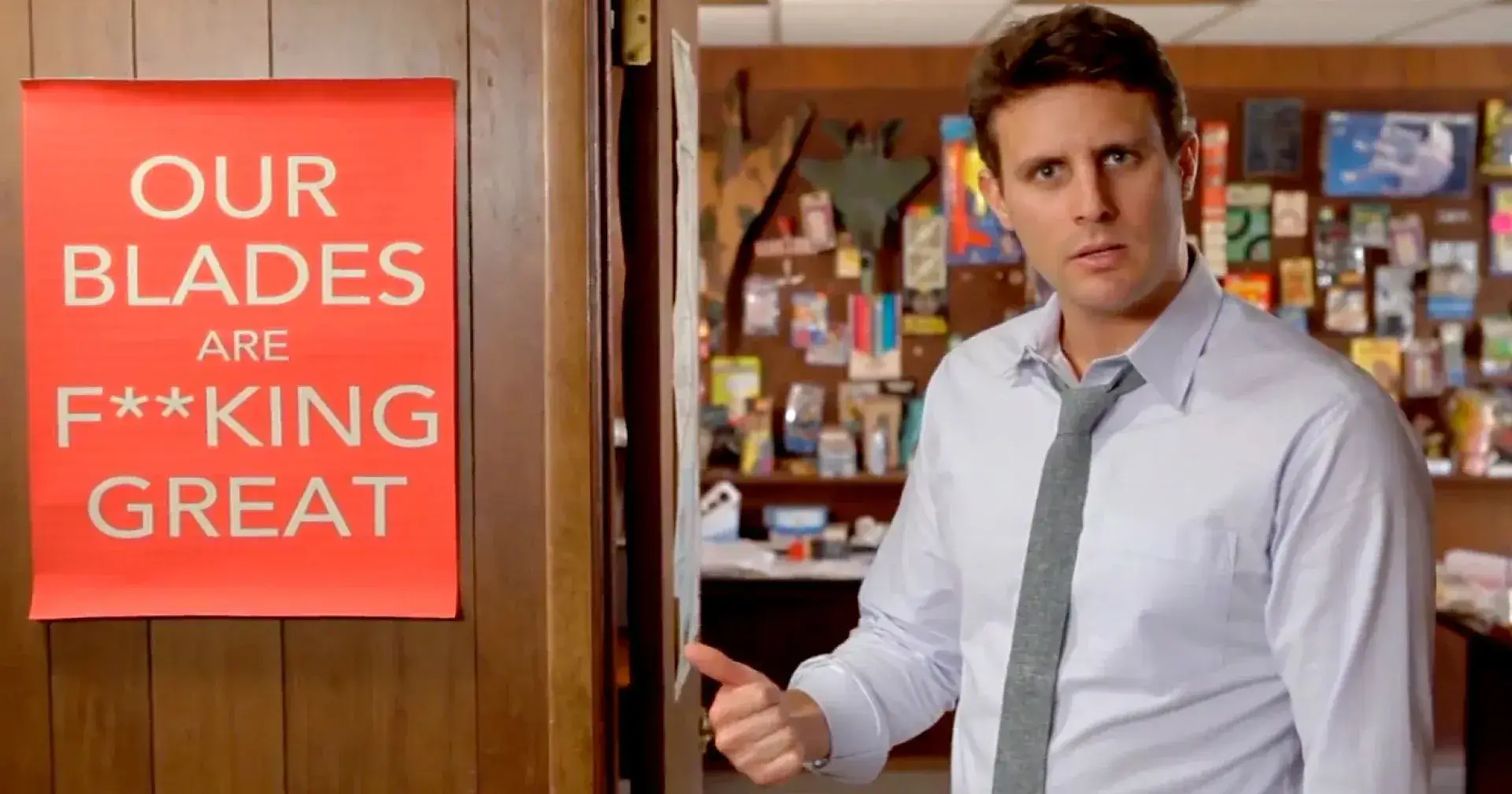
For decades, buying razors was a painful experience. Walk into a supermarket, and you’d find shiny blades locked in glass cases like luxury jewelry. Gillette, Schick, and Wilkinson Sword dominated the shelves, selling razors at a premium price justified by heavy words like “multi-blade technology” and “hydrating strips.”
Consumers had two choices:
Pay through the nose for razors.
Reuse old, dull blades until shaving felt like sandpapering your face.
Then came a small startup from Venice, California, with a cheeky name: Dollar Shave Club.
In March 2012, they launched a simple YouTube video. Just one.
It cost $4,500 to produce.
The video was outrageous, funny, and brutally honest. In less than 48 hours, it went viral. Over 12,000 people signed up for Dollar Shave Club’s subscription service within the first two days.
By 2016, Unilever acquired Dollar Shave Club for $1 billion.
Not because they had the best blades. Not because they had decades of research. Not because they owned shelf space.
But because they understood vibe marketing.
They didn’t sell razors.
They sold relief. They sold rebellion. They sold a lifestyle.
And in doing so, they rewrote the playbook for marketing in the digital age.
Today, we’ll break down 5 Vibe Marketing lessons from Dollar Shave Club that will help you grow your business, if you sell razors, software, or handmade candles, this Timeless marketing lessons applicable to all
Lesson 1: Turn Pain into Humor
The pain: Buying razors was expensive and frustrating.
The solution: Dollar Shave Club turned this pain into a punchline.
The first viral video opens with Michael Dubin, the founder, walking through a warehouse asking:
"Do you think your razor needs a vibrating handle, a flashlight, a back-scratcher, and 10 blades? Your handsome-ass grandfather had one blade, and polio."
See this add here - Dollar Shave Club Add
Instead of lecturing about prices or technology, they made people laugh about a problem everyone already hated.
Why did this work?
Humor disarms skepticism.
People share things that make them laugh.
Laughter creates memorability.
Dollar Shave Club wasn’t just solving a problem, they were mocking the problem. And that made them instantly relatable.
Vibe Marketing Takeaway:
If your product solves a painful problem, don’t just explain it. Exaggerate it. Make fun of it. Show people you get it. The moment customers laugh at the shared pain, they’ll trust you to fix it.
Lesson 2: Sell Simplicity, Not Features
Gillette marketed razors like they were selling fighter jets. “FlexBall technology.” “Lubricating strip with aloe.” “Five precision blades.”
Dollar Shave Club went the opposite way. Their pitch?
“A great shave for a dollar a month. No gimmicks.”
That’s it.
They didn’t complicate things. They stripped away technology loaded words and focused on what people truly wanted: a good shave, at a fair price, delivered to their door.
This simplicity made the brand feel refreshing in an over-engineered industry.
Why it worked:
Simplicity cuts through noise.
Consumers crave clarity in a world full of marketing hype.
Simple offers are easier to remember, and repeat.
Vibe Marketing Takeaway:
Clarity beats cleverness. Stop selling features. Start selling relief. Customers don’t want a “cloud-based AI-powered scheduling algorithm.” They want “a tool that saves you 10 hours a week.”
Lesson 3: Create a Tribe, Not Just Customers
Dollar Shave Club didn’t just build a subscription business, they built a community of rebels against overpriced razors.
Their brand voice was cheeky, irreverent, and proudly “anti-corporate.”
Customers didn’t feel like they were buying razors. They felt like they were joining a movement.
Their tagline could have been: “We’re not Gillette. We’re on your side.”
Members received not just razors, but also witty newsletters, funny packaging, and occasional freebies. Every touchpoint reinforced the feeling:
“You’re part of the club.”
Why it worked:
People crave belonging.
A tribe spreads word-of-mouth better than any ad.
Identity-driven brands are harder to compete with.
Vibe Marketing Takeaway:
Don’t just sell products. Create membership. Give your customers a flag to wave, an inside joke to share, a reason to say: “I’m with them.”
Lesson 4: Distribution Is the Marketing
Dollar Shave Club didn’t fight for supermarket shelf space. They bypassed it entirely.
Their model was direct-to-consumer (DTC), razors shipped straight to your door. No middlemen. No locked cabinets. No awkward cashier moments.
This wasn’t just a logistics choice. It was a marketing choice.
Every package that arrived in a customer’s mailbox was another branding opportunity.
Every subscription renewal reinforced loyalty.
Every delivery was a reminder that Gillette’s stranglehold was broken.
By owning their distribution, Dollar Shave Club also owned the customer relationship, something their competitors couldn’t replicate easily.
Vibe Marketing Takeaway:
Sometimes the best marketing move isn’t another ad. It’s a better distribution system. Ask yourself: how can you make getting your product so easy, it feels like magic?
Lesson 5: Make the Brand Bigger Than the Product
Dollar Shave Club started with razors. But they didn’t stop there.
They expanded into shaving cream, aftershave, body wash, even “butt wipes.”
But here’s the key: their branding made it feel natural. Because the company wasn’t really about razors. It was about making personal care simple, funny, and human.
By building a strong brand personality first, they gave themselves permission to expand later. Customers trusted Dollar Shave Club to recommend other grooming products because the brand voice was so consistent and authentic.
Why it worked:
Strong brands are elastic, they can stretch across categories.
Once you own the relationship, you can upsell almost anything.
Personality-driven marketing creates long-term loyalty.
Vibe Marketing Takeaway:
Don’t box yourself in. Build a brand people love, and the product lines can evolve. As Ogilvy once said: “Build brands, not just products.”
The Vibe That Built a Billion-Dollar Club
Dollar Shave Club wasn’t supposed to win.
They had no factories, no research labs, no shelf space.
What they had was vibe.
They understood that in today’s world:
People don’t just buy products. They buy feelings.
They don’t just buy solutions. They buy stories.
They don’t just buy utility. They buy identity.
Dollar Shave Club made shaving funny. They made buying razors simple. They made customers feel like insiders. And in doing so, they carved out a billion-dollar company from thin air.
For entrepreneurs, the lesson is timeless:
👉 You don’t need the biggest budget.
👉 You don’t need the flashiest features.
👉 You don’t need decades of legacy.
You just need to understand your customer’s vibe, and then build a brand that amplifies it.
As David Ogilvy once said:
“If you’re trying to persuade people to do something, or buy something, it seems to me you should use their language, the language in which they think.”
Dollar Shave Club did exactly that.
Now it’s your turn.
Find the pain. Exaggerate it. Make people laugh. Build a tribe. Simplify the offer. Control your distribution. Expand beyond the product.
That’s the playbook.
And remember: you don’t have to be a billion-dollar brand to use these lessons. You just have to start with one thing, a vibe worth sharing.

Join Kishor on Peerlist!
Join amazing folks like Kishor and thousands of other builders on Peerlist.
1
4
0