

How 7 Founders Used 7 Unique Marketing Tactics to Make $1M in 60 Days
Learn how 7 founders each used a different, powerful marketing tactic to earn their first $1M in just 2 months
"If each of us hires people who are smaller than we are, we shall become a company of dwarfs. But if each of us hires people who are bigger, we shall become a company of giants.” – David Ogilvy
What if I told you that a single marketing tactic executed with obsession, focus, and relentless energy was all it took for 7 founders to go from zero to $1M in just two months?
Just seven razor-sharp strategies, executed with relentless focus, that delivered a million-dollar payday in record time
In this article, you’ll learn
How each visionary founder unearthed and validated their breakthrough idea
Why they chose that single tactic over countless alternatives
What formidable obstacles they faced and overcame during execution
How they turned strategic focus into $1 million in fresh revenue
These aren’t generic startup stories. These are modern playbooks blueprints any founder, creator, or marketer can learn from and apply today. lets learn from those founders
1. Drew Houston, Dropbox
Tactic: Viral Referral Program
The spark: Frustrated that no file-sharing service “just worked,” Drew built Dropbox to sync files seamlessly. But he still needed users.
Why referrals? He realized happy users are the best salespeople. Instead of spending thousands on AdWords, he could ride word-of-mouth if only he had a system.
The obstacle: Early adopters loved Dropbox but had little incentive to share. Invitations felt like chores.
The breakthrough: Drew and Arash cleverly tied extra storage to every successful referral 500 MB per friend, up to 16 GB. Suddenly, users fought to invite colleagues, friends, family.
Execution: They built referral tracking into the onboarding flow; every new signup automatically generated a unique link. Their engineers stress-tested the system to withstand viral spikes (up to 60 million invites in one day).
Result: In 60 days, Dropbox grew from 100 000 to over 4 million users, translating (via paid upgrades) into over $1 million in revenue without spending a dime on ads.

2. Brian Chesky & Joe Gebbia, Airbnb
Tactic: Craigslist Synergy
The spark: Air mattresses in living rooms sounded ridiculous yet in 2008, Brian and Joe believed people craved cheaper, more personal travel stays. They built a simple site but struggled to attract both hosts and guests.
Why Craigslist? Craigslist had millions of users seeking short-term rentals but no “guest” interface. If Airbnb could piggyback onto Craigslist’s traffic, they could kickstart marketplace (hosts + guests) simultaneously.
The obstacle: Craigslist’s interface was closed no API. And automated reposting risked being banned.
The breakthrough: They reverse-engineered Craigslist’s post format, then wrote a scraper/bot that reposted each Airbnb listing to Craigslist automatically complete with photos and links back to Airbnb.
Execution: They deployed headless browser scripts on Amazon EC2, cycling through IPs to avoid bans. Each Airbnb host automatically got exposure to Craigslist’s millions. They monitored error logs and rotated IPs whenever Craigslist’s anti-spam tightened.
Result: Within two months, Airbnb bookings and take-rate revenues hit $1 million. The tactic scaled before they even realized it.
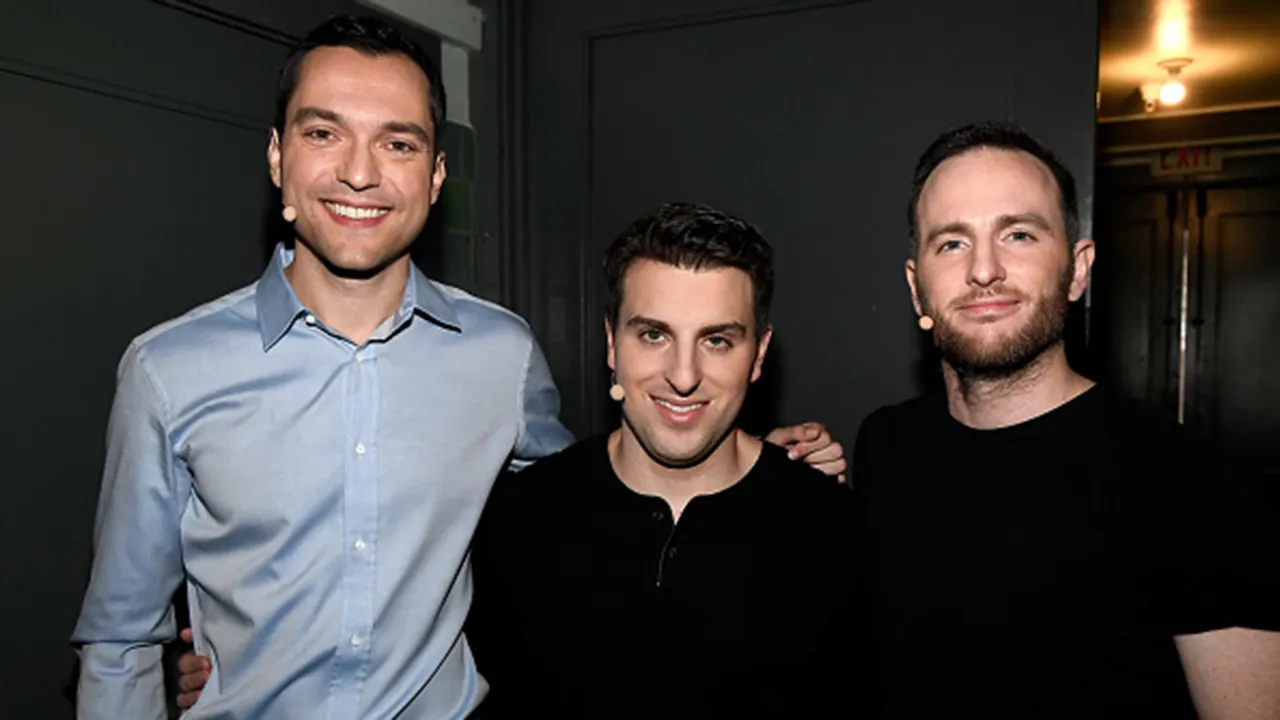
3. Jeff Raider & Andy Katz-Mayfield, Harry’s
Tactic: Pre-Launch Referral Waitlist
The spark: Entering the crowded men’s razor market meant facing Gillette’s advertising budgets. Jeff and Andy needed a splash something that would cut through noise.
Why a waitlist? Pre-launch buzz could turn a small startup into a global sensation overnight and signal to retailers that demand was real.
The obstacle: People hate “pre-order” scams. They’d sign up on one site and forget.
The breakthrough: They gamified the waitlist: each subscriber moved up the “queue” by inviting friends. Every 5 invites unlocked free high-end razor cartridges worth $20. They embedded live counters showing your current rank.
Execution: They built a sleek landing page with ultra-minimalist design, clear social-share buttons, and progress bars. They tested copy variants (“Refer 5 friends, get a free blade!” vs. “Be first in line!”) to optimize conversion. On Day 1, they hit 1 000 waitlist signups with zero ad spend.
Result: By launch, Harry’s had over 100 000 eager customers who immediately converted at $10+ AOV driving $1 million in revenue within 60 days of shipping.
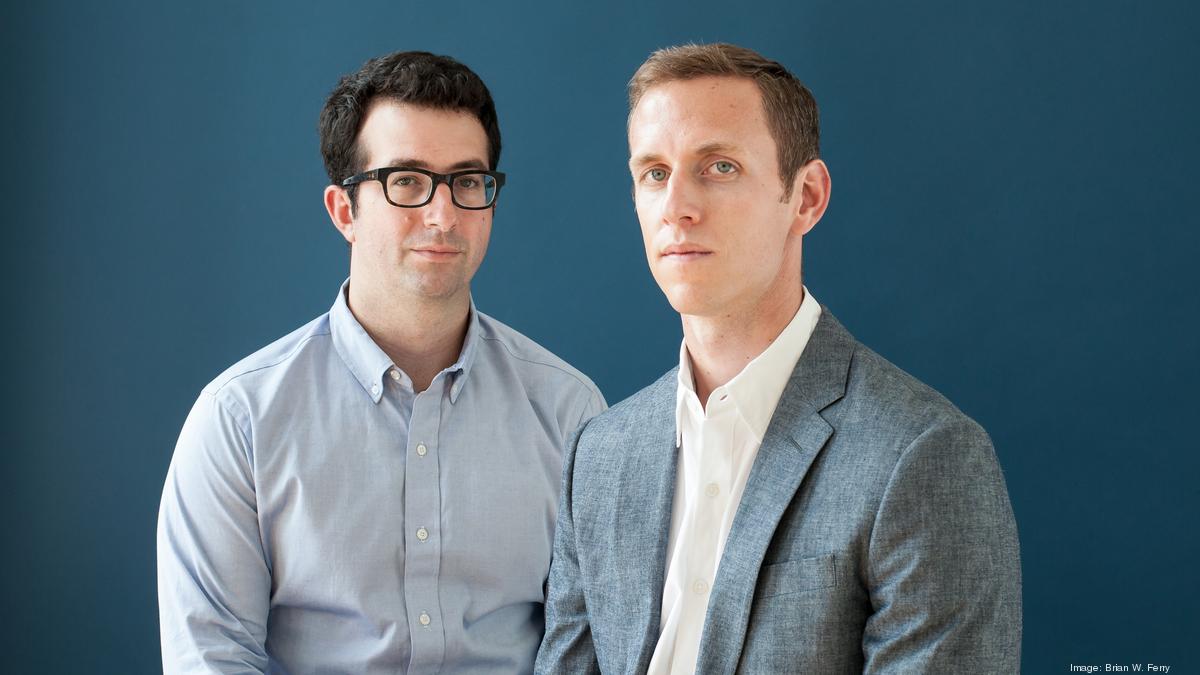
4. Michael Dubin, Dollar Shave Club
Tactic: Viral Launch Video
The spark: Michael hated overpaying for razors. He saw a chance to sell subscriptions online but needed massive awareness on a shoestring budget.
Why a video? A clever, irreverent video could cut through banner blindness and social-media noise if it truly entertained.
The obstacle: Producing a compelling video usually costs $50 000+. Plus, no guarantee it’d go viral.
The breakthrough: He wrote a brutally honest, funny script poking fun at razor companies (“Our blades are f***ing great”). He recruited a friend to shoot it in a single day for $4 500.
Execution: They launched on YouTube and emailed the link to “cool guy” blogs. They personally reached out to Reddit moderators in shaving and men’s lifestyle subreddits to seed the link. They A/B tested headlines and thumbnails to maximize click-through.
Result: The video hit 12 000 views in 48 hours, 7 000 signups in the first week converting at $3–$5 per subscription. By two months in, DSC had racked up $1 million in MRR and caught the eye of venture backers.
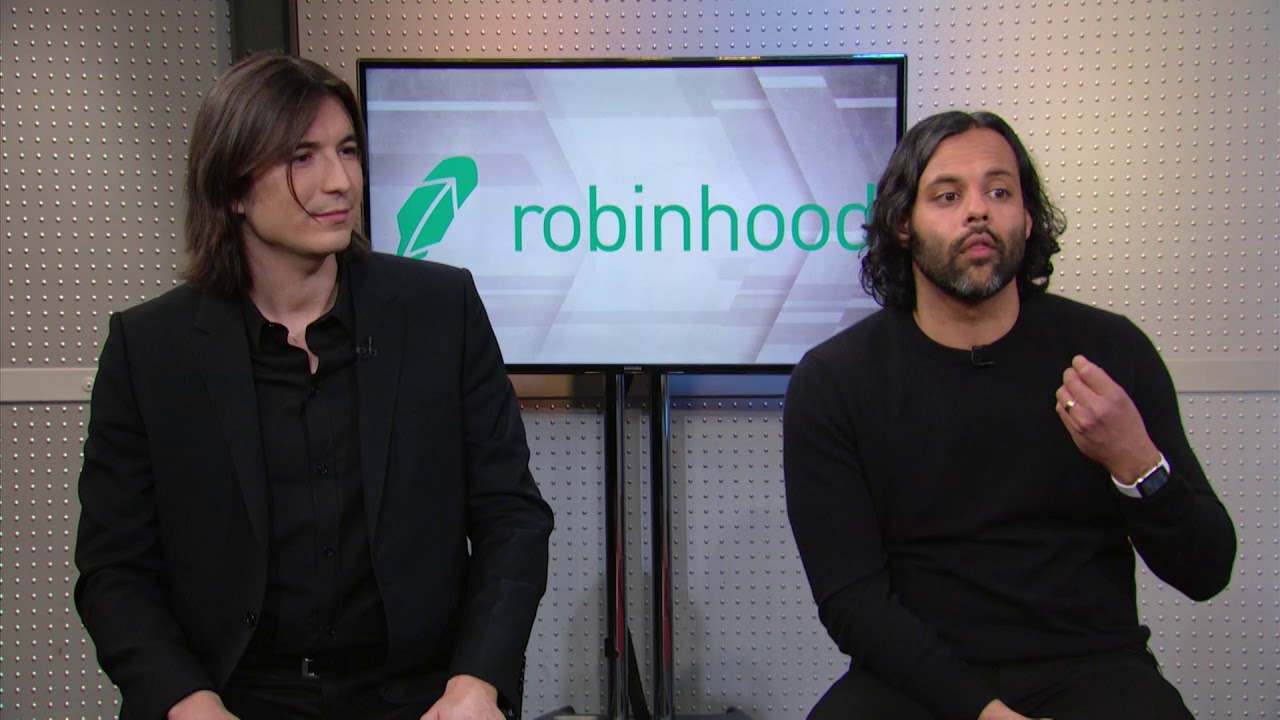
5. Vlad Tenev & Baiju Bhatt, Robinhood
Tactic: Free-To-Use Waitlist with Exclusive Invitations
The spark: Retail investors were paying $5–$10 per trade. Vlad and Baiju believed commission-free trading could democratize finance if they could get enough liquidity.
Why exclusive waitlist? Exclusivity creates desire. A small, controlled rollout would let them iron out kinks before opening the floodgates.
The obstacle: Without a steady pool of users, market makers wouldn’t provide quotes, and the app would be dead on arrival.
The breakthrough: They launched with a golden-ticket invite system. Every early sign-up got 1,000 invites to share thereby recruiting power users who’d bring more trades (and liquidity) to the platform. They capped invites per user to prevent abuse.
Execution: They built invite-tracking dashboards and used email-drip sequences to onboard new users, teaching them how to buy their first stock. Every invite triggered a push notification, reminding users to share.
Result: After two months, Robinhood had 100 000 funded accounts, generating enough order flow rebates to exceed $1 million in revenue all before a public launch.
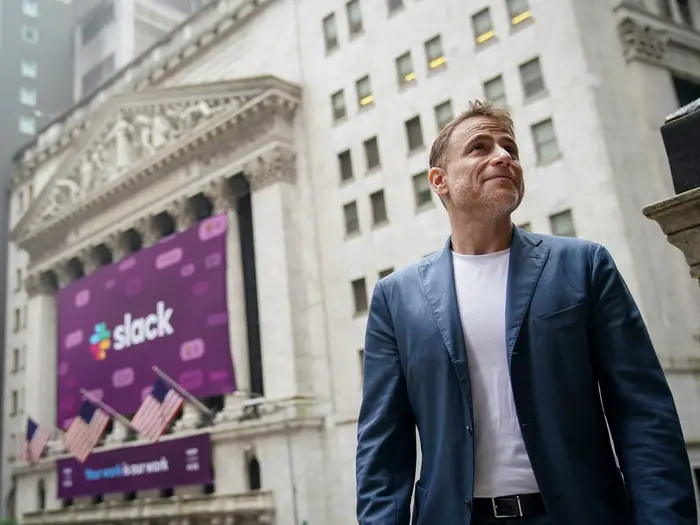
6. Stewart Butterfield, Slack
Tactic: “Dogfooding” through Private Beta Invitations
The spark: Originally a gaming company pivot, Slack’s founders knew the pain of juggling email and chat threads. They built an internal messaging tool for their own team and saw broader potential.
Why private beta “dogfood”? Real teams using real problems would evangelize the tool if it truly saved hours each week.
The obstacle: Getting external teams to trust a closed-door beta and commit to structured feedback.
The breakthrough: They invited 200 “friendly” companies (including early investors and media contacts) to a private Slack workspace. Each new beta team could invite up to 5 partner teams, spreading usage horizontally across organizations.
Execution: They hosted weekly “Office Hours” with the founders, personally onboarding new teams via Zoom. Each use case and pain point was logged in their product roadmap so every update was explicitly shaped by user feedback.
Result: In two months, Slack grew from zero to 8 000 daily active users, with upgrade revenue from paid seats crossing $1 million, all without a single banner ad or cold email.
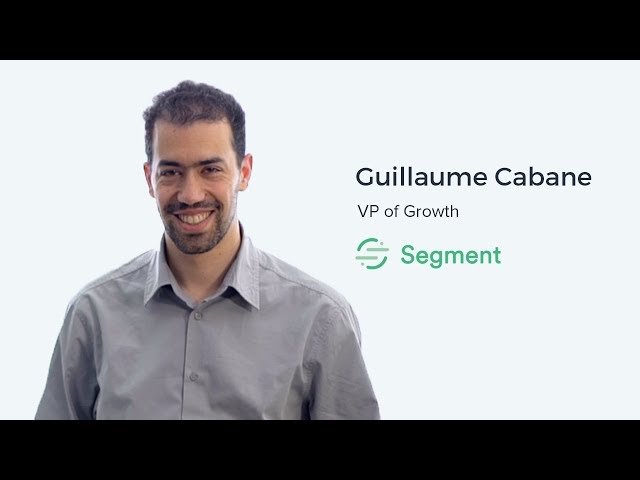
7. Guillaume Cabane, Segment
Tactic: Finger-in-the-Air Personalized Outreach
The spark: Segment’s product collecting and routing customer data felt abstract to cold prospects. Guillaume knew generic emails would be ignored.
Why hyper-personalization? When you speak directly to someone’s pain point by name, company, and context they can’t help but read on.
The obstacle: Personalizing at scale is labor-intensive. You can’t manually research 1000 companies a week.
The breakthrough: Guillaume built a tiny “research team” of interns who scoured LinkedIn and Crunchbase each morning, extracting one juicy nugget per prospect (e.g. “saw that you doubled MAUs last quarter after integrating Mixpanel”). Then Segment’s SDRs sent 1–2 sentence emails referencing that insight.
Execution: They templated the email, leaving placeholders for the personal fact and benefit statement. They used a lightweight mail-merge tool (built in-house) to send 500 highly-targeted emails per week at a cost of $30 per new customer.
Result: Within 60 days, Segment’s sales-driven channel booked $1 million in ARR, at a CAC 4× lower than their paid ad campaigns.
Every founder’s story here is different
Yet they share a common thread: focus. Instead of chasing every “growth hack” under the sun, they all zeroed in on one tactic that fit their product, audience, and resources.
They understood their users’ motivations (“extra space,” “cheap stay,” “exclusive access”).
They engineered incentives or experiences that made sharing irresistible.
They relentlessly tested and iterated, fixing breakages before scale.
In each case, that single marketing tactic and the unwavering discipline to execute it delivered $1 million in 60 days.
Your takeaway? Don’t spread yourself thin. Pick one high-leverage tactic that aligns with your product and audience. Master it. Then watch as momentum becomes a snowball and snowballs become avalanches of revenue.
Go build your $1 million story. Once they see that first $1M roll in, every next goal looks within reach.

Join Kishor on Peerlist!
Join amazing folks like Kishor and thousands of other builders on Peerlist.
0
3
0