

How These 7 Startups Got Their First 100 Users Without a Big Budget (Real Strategies You Can Copy Today)
Learn how These 7 little known real startups attracted their first 100 users, using creative, low-cost marketing and real customer pain points.

"The man who moves a mountain begins by carrying away small stones."
— Confucius
What separates a product that dies in silence from a startup that attracts its first 100 users and never looks back?
It's not luck.
It's not a huge budget.
It's not a fancy logo.
It's clarity of pain point, a story people can't unhear, and a methodical approach to user attraction.
In this article, we’re going deep into the untold beginnings of 7 startups you may not see on magazine covers but whose early hustle, grit, and razor-sharp strategies led them to their first 100 users. No fluff. No fairy tales.
You’ll learn:
How the founders uncovered burning pain points.
What exact moves they made to get their first believers.
And how you can reverse engineer their process to validate, attract, and grow your own tribe even if you're starting from zero.
These aren’t unicorns.
They’re underdogs.
And their first 100 users weren’t handed to them they were earned with action that you can apply today.
If you're building something or even thinking about it, this is the kind of story you can't afford to scroll past.
Let’s dive in.
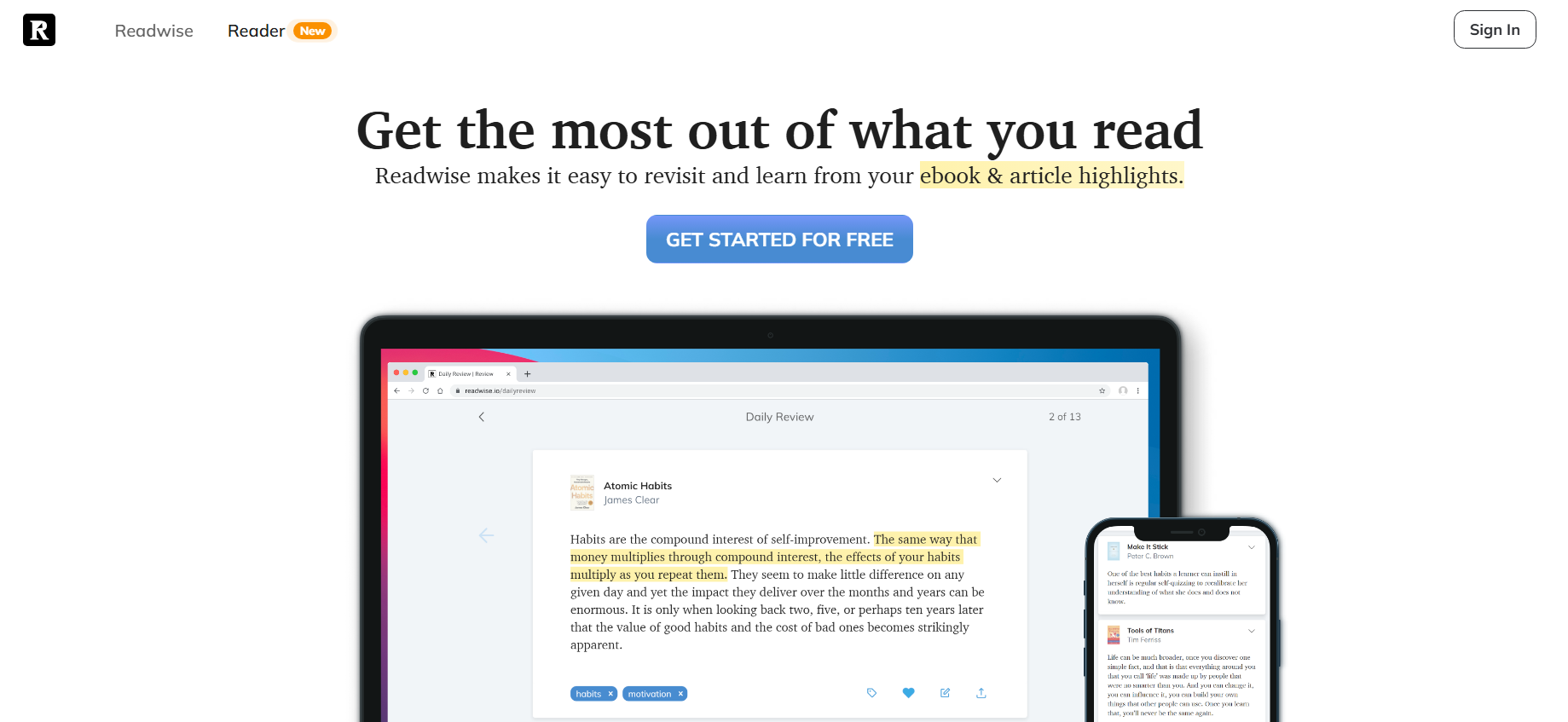
1. Readwise
Pain Point Discovered:
Co-founder Dan Doyon was a voracious reader. But there was a catch he kept forgetting what he read. He realized others were highlighting in Kindle or Instapaper but never reviewing them.
Idea Sparked:
A tool to resurface and retain what you read, automatically.
How They Got Their First 100 Users:
Dan posted in the r/Books subreddit and shared his prototype.
Joined small productivity communities and offered free onboarding.
Personalized email to Twitter creators in the reading/productivity niche.
One Tactic they used:
They created a private beta waitlist and gave people early access in exchange for feedback turning users into evangelists.
Takeaway:
They didn’t just build for readers. They built with readers.
2. Figma
Pain Point Discovered:
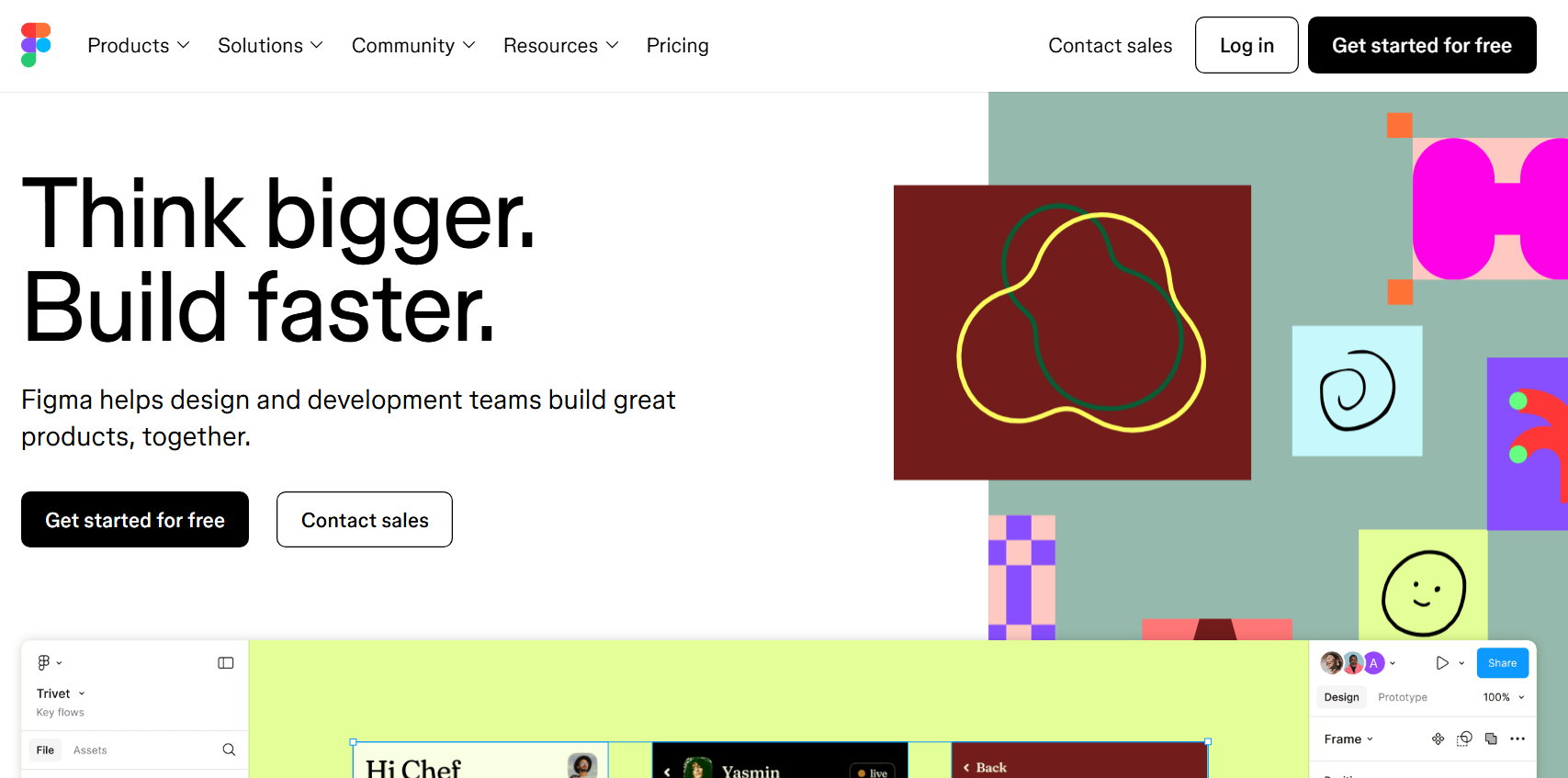
Designers hated passing files back and forth. Collaboration was painful. Real-time design didn’t exist.
Idea Sparked:
Why not bring design into the browser like Google Docs did for writing?
How They Got Their First 100 Users:
Targeted elite design schools and invited students to private beta.
Hosted Figma “Jam Sessions” where people could test the tool live.
Used design Twitter and Dribbble to show sneak peeks of the real-time experience.
One Tactic they used:
They built for collaboration, and used collaboration to market it.
Takeaway:
Instead of launching to the world, Figma launched to the most critical 100 and won them over.
3. Tella
Pain Point Discovered:
Founders hated editing videos. Tools like Loom were rigid. Zoom felt corporate.
Idea Sparked:
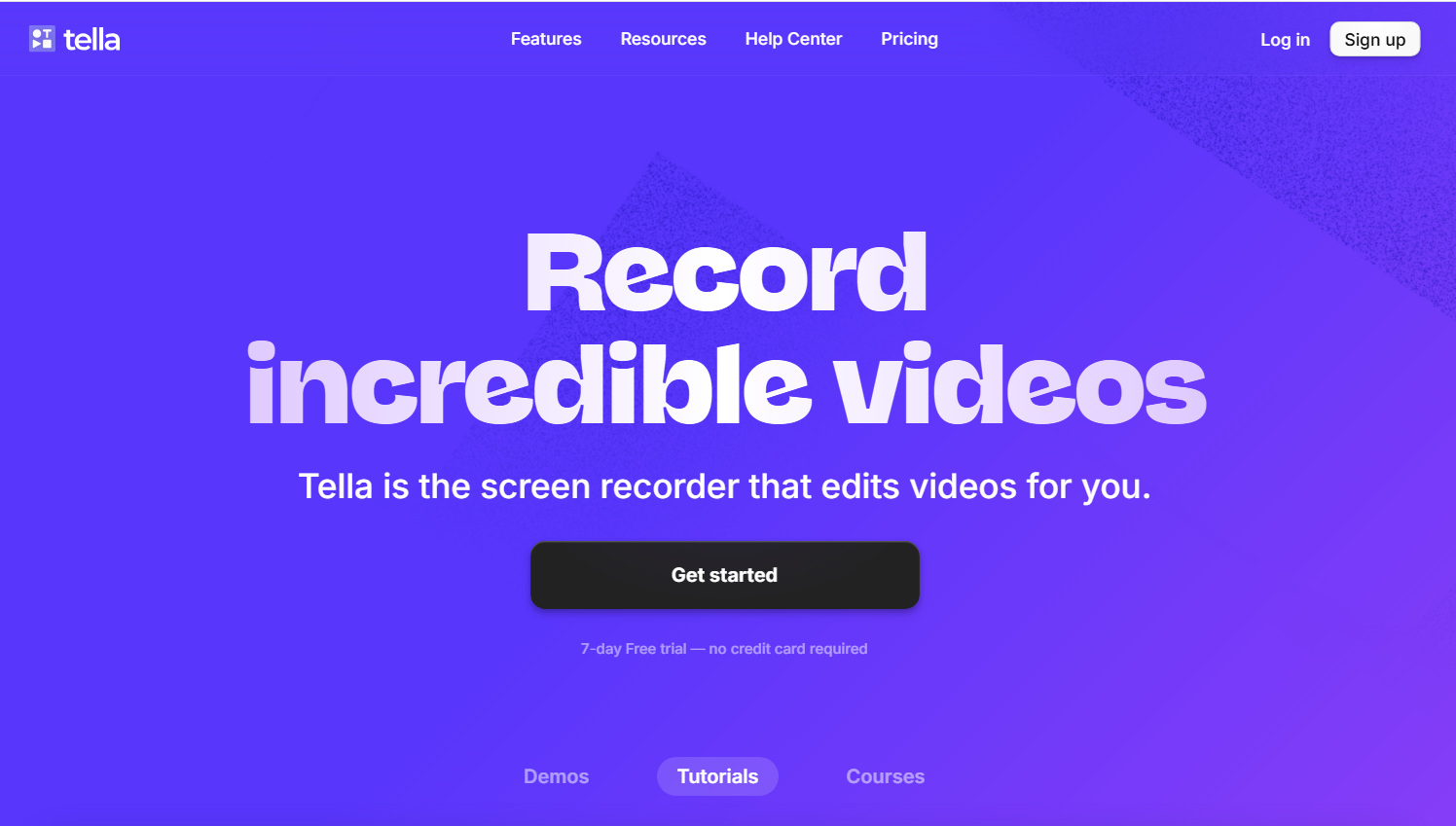
An async video tool that’s as easy as Loom but beautiful like a movie.
How They Got Their First 100 Users:
Made a stunning product demo and posted it on Product Hunt.
Used Twitter to talk about building in public.
DM’d indie hackers with personalized invites.
One Tactic they used:
They built a visually delightful product, so their marketing was baked into the tool itself.
Takeaway:
Designing something delightful reduces the cost of user acquisition.
4. Carrd
Pain Point Discovered:
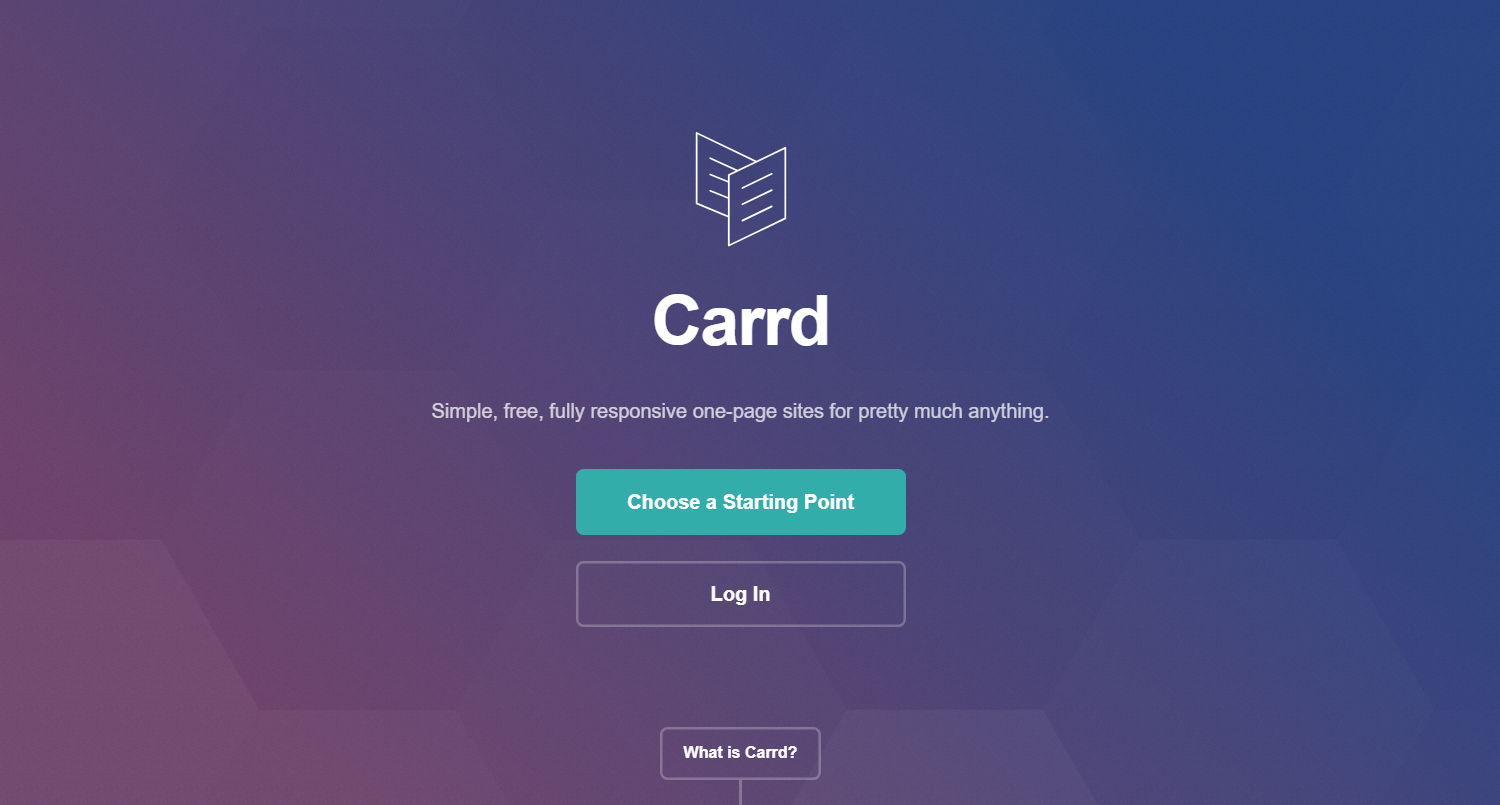
People needed a simple landing page, not a full website. Too many tools were bloated.
Idea Sparked:
One-page websites, dead simple, fast, and beautiful.
How They Got Their First 100 Users:
The founder posted examples of Carrd sites on Twitter every day.
Offered 3-month pro access for free if you shared feedback.
Tapped into indie hacker and solopreneur circles.
One Tactic they used:
Carrd didn’t market users shared what they made, and the product spread itself.
Takeaway:
If your users want to show off what they built, you’ve already won marketing.
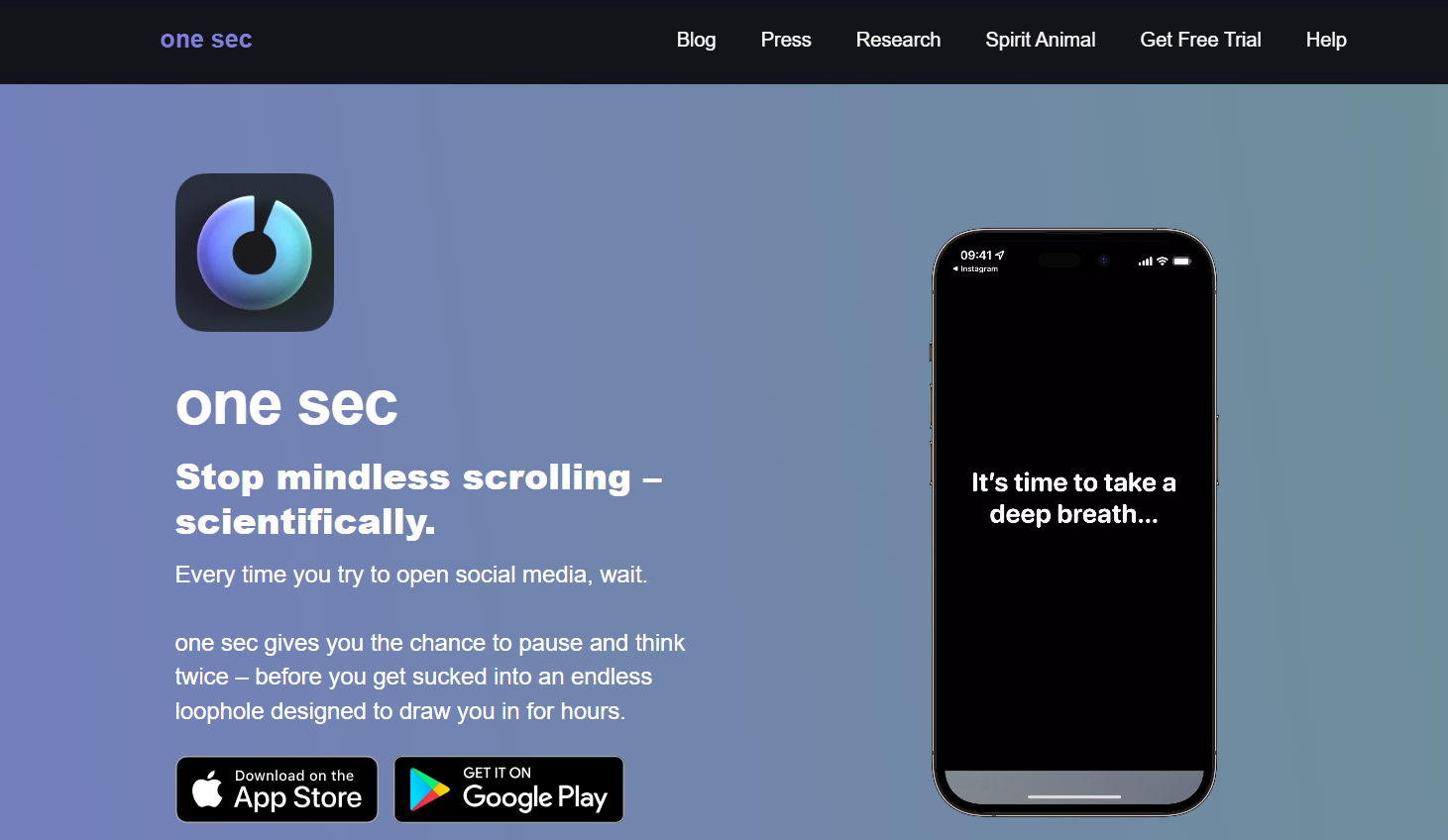
5. OneSec
Pain Point Discovered:
Social media addiction. People opened apps like Instagram or TikTok mindlessly.
Idea Sparked:
What if you inserted a 1-second delay to break the habit loop?
How They Got Their First 100 Users:
Founders used Twitter and YouTube to share how they were using it.
Encouraged testimonials like “OneSec saved my life.”
Partnered with mindful productivity creators.
One Tactic they used:
They marketed the tool as a mental health movement, not just an app.
Takeaway:
When your product solves a personal pain, show your own transformation.
6. SavvyCal
Pain Point Discovered:
Scheduling tools like Calendly felt cold and transactional.
Idea Sparked:
Make a scheduling tool that feels human. Empower the invitee, not just the sender.
How They Got Their First 100 Users:
Founder Derrick Reimer documented the pain of scheduling tools on his blog.
Shared weekly updates on IndieHackers and Twitter.
Offered free lifetime deals to early users for testimonials.
One Tactic they used:
He out-educated competitors by showing what great scheduling UX looks like.
Takeaway:
Be your first user. Then narrate that journey in public.
7. Uizard
Pain Point Discovered:
Non-designers struggled to create mockups and prototypes.
Idea Sparked:
A tool where you can turn a hand-drawn sketch into a wireframe with AI.
How They Got Their First 100 Users:
Went viral on Reddit with a video showing sketch-to-mockup magic.
Offered early access to startup founders building MVPs.
Partnered with startup accelerators for feedback loops.
One Tactic they used:
Their demo felt like magic, so it got shared as magic.
Takeaway:
If your demo makes jaws drop, let that do the work.

What Can You Steal From Them?
Every one of these 7 companies did three things:
Found a tiny pain point that mattered to a specific person.
Built in public or within communities where that pain point lived.
Made early users feel like insiders, not just customers.
You don’t need 1,000 followers or a big team.
You need to understand one real pain and commit to solving it better than anyone else.
This weekend, stop searching for startup ideas.
Start listening for pain.
Which Tactics you going to apply to your product?, Lets discuss...

Join Kishor on Peerlist!
Join amazing folks like Kishor and thousands of other builders on Peerlist.
0
12
0