

The world didn’t need another LinkedIn. Until "Peerlist" proved it wrong
Discover how Peerlist, the brainchild of Yogini Bende and Akash Bhadange, turned a simple idea into a global platform for professionals through grit, storytelling, and brilliant marketing.
Internet world cluttered with “another job board,” “another portfolio site,” and “yet another LinkedIn clone,” one product dared to ask a dangerous question:
“What if we built a platform where your work speaks louder than your resume?”
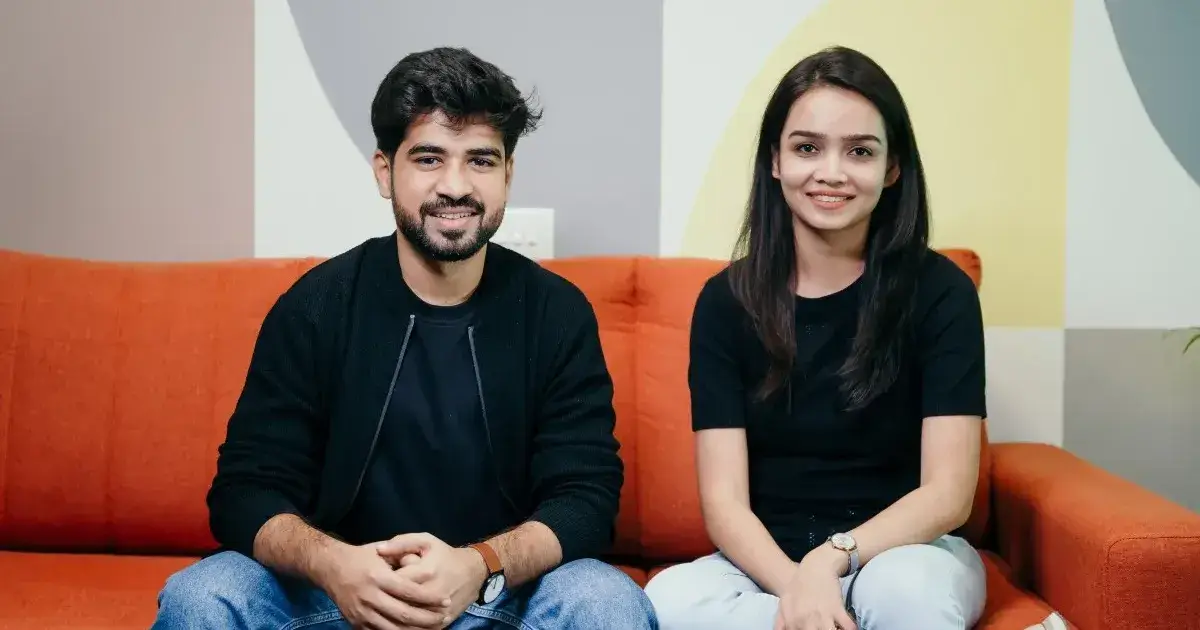
That's how we got Peerlist, a beautifully crafted professional network tailored specifically for developers, designers, product folks, and startup builders. Founded in 2021 by Yogini Bende and Akash Bhadange, Peerlist didn’t start with millions in funding. It didn’t start with a 100-person team. It started with a vision:
To showcase what you do, not just where you worked.
In just under three years, Peerlist didn’t just survive, it became a movement. From 0 to 100,000+ users, from side project to full-time company, from zero funding to making their first dollars, Peerlist is now being whispered as the next Indie Hacker success story to study.
But how did two builders a designer and a developer manage to crack into one of the toughest markets of all: the professional networking space?
The answer?
✨ Consistency.
📣 Community.
🎯 Marketing like hell.
And above all: Building in public like it’s a religion.
This article details their entire journey step-by-step so any indie maker, solo founder, or SaaS enthusiast can apply the same principles and strategies today.
The Problem No One Was Solving
In 2021, Akash and Yogini were like many builders.
Akash had spent over a decade working with startups, helping them grow through UX, product thinking, and hustle. Yogini, equally passionate, brought her design chops and empathy to the table. Both had worked in the trenches. They had seen brilliant engineers, designers, and indie hackers go unnoticed just because their resumes didn’t shout loud enough.
"Why is there no platform where I can show my actual work? Not just my job title?" someone tweeted.
And something clicked.
Not another portfolio site.
Not another job board.
Not another "here’s what I do" card.
But a trust layer for professionals where proof of work lived alongside reputation.
Thus began the quiet, focused, and deeply human journey of building Peerlist.
Building in Public (Before It Was Cool Again)
Peerlist wasn’t launched with a bang.
There were no billboards, no TechCrunch articles, no grand unveilings.
They started by tweeting their progress.
Tiny milestones. Honest questions. Early mockups.
People responded.
Not because the product was polished, but because it felt genuine.
Akash and Yogini didn’t sell the dream of a billion-dollar company.
They showed up, day after day, asking:
“Is this helpful for you as a developer?”
“What would make your professional profile feel more complete?”
“Would you trust someone more if you could see what they’ve actually built?”
And slowly, the right kind of people started noticing.
Indie founders.
Open-source contributors.
Designers with a voice.
Developers tired of traditional resumes.
Peerlist became a movement before it became a product.
The Power of Signal Over Noise
Most platforms want you to perform.
- To impress.
- To shout.
Peerlist took the opposite route.
It said:
“Here’s a space where your work can speak for itself.”
It wasn’t about collecting likes or connections.
It was about attaching your GitHub commits, your blog posts, your open-source contributions all to a living profile that reflected your actual impact.
This shift from who you know to what you’ve done was subtle, but profound.
And in a world where trust is currency, Peerlist gave professionals a wallet.
No Ads. No VC. Just Users.
Here's where it gets even more interesting.
Akash and Yogini didn’t rush to raise funding.
They believed in slow, sustainable growth.
In listening more than launching.
In conversations over campaigns.
Instead of chasing virality, they chased value.
Every feature came from feedback.
Every improvement was shipped to solve a real user’s problem.
Every decision was made with a single principle:
“Does this help someone showcase their work more clearly?”
This patient, human-first approach started paying off.
Professionals began sharing their Peerlist profiles.
Hiring managers started clicking on them.
Contributors began discovering each other through it.
Peerlist wasn’t just a product now.
It was becoming infrastructure for the modern builder.
From Side Project to Movement
By 2023, Peerlist was no longer a scrappy experiment.
It had grown into a trusted brand.
Without paid ads.
Without gimmicks.
Just through storytelling, authenticity, and the one thing every good product needs community.
What’s more impressive?
They started monetizing without losing their soul.
Peerlist offered Pro features, carefully chosen not to gate the core experience, but to elevate it for users who wanted more.
It wasn’t about taking it was about giving more to those who needed it.
Like a good indie product should.
The Real Lesson: You Don’t Need Hype. You Need Heart.
Peerlist didn’t "go viral" it went valuable.
Akash and Yogini didn’t chase trends, they built trust.
Their marketing wasn’t loud. It was layered:
They built in public.
They listened actively.
They tweeted stories, not slogans.
They gave users something to be proud of a profile that said, “Here’s what I’ve built. See for yourself.”
That’s marketing.
Not as a function, but as a philosophy.
Marketing Lessons for Every Founder
Peerlist’s journey is a masterclass in low-budget, high-impact marketing.
Here are 10 lessons every founder can learn:
Design is marketing. Clean UX = better word of mouth.
Community is the new SEO. Engage deeply, not widely.
Build in public. It creates loyalty and story.
Delay monetization. Win trust first, charge later.
Be your own audience. Build what you would use daily.
Amplify users. Their wins = your testimonials.
Small bets > big launches. Iterate. Don’t wait.
Pick a niche. Developers were their wedge market.
Embrace friction. They verified profiles manually early on.
Give more than you ask. Their free features were generous.
Where Peerlist is Now
🧑💻 100,000+ active users
🌍 Users from 50+ countries
💬 Organic buzz across Dev Twitter, Product Hunt, IndieHackers
💰 Revenue from premium and custom profiles
📈 Featured on Product Hunt, Hacker News, and countless newsletters
Still bootstrapped. Still consistent. Still focused.
The Prediction for Peerlist
Akash and Yogini aren’t done.
They’re not here for a quick exit.
They’re playing the long game building not just a company, but a culture where trust becomes discoverable, and work becomes your loudest voice.
And if you’ve ever felt unseen, unheard, or overlooked in the noisy world of tech…
You should know:
There’s a quiet place being built for you.
It’s called Peerlist.

Join Kishor on Peerlist!
Join amazing folks like Kishor and thousands of other builders on Peerlist.
0
7
0