

Zara Marketing Strategy: Lessons Every Founder Should Steal
Zara spends almost nothing on ads, yet dominates fast fashion. Here's their playbook.
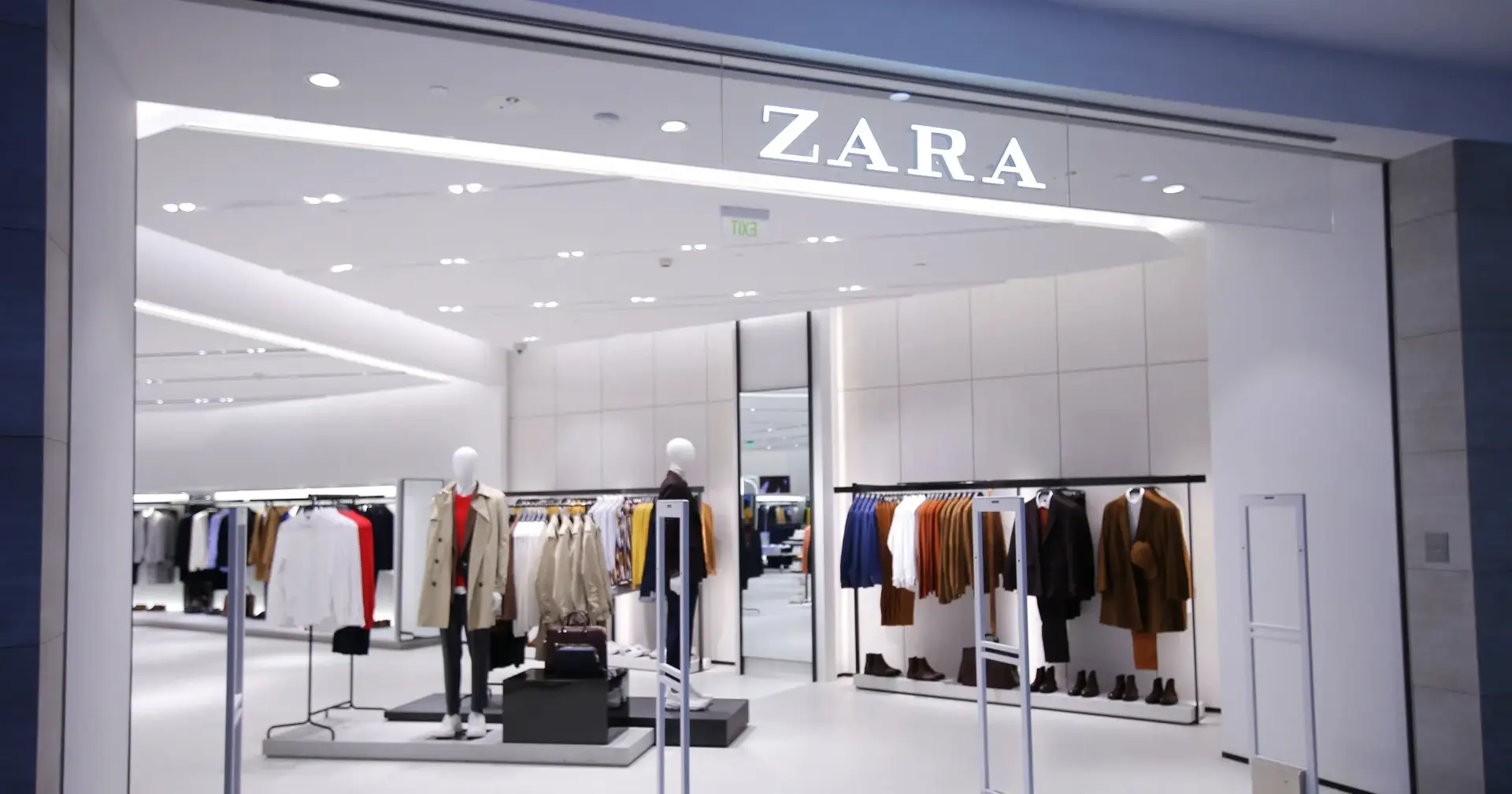
In 1975, Zara entered the fashion market with a single store in Spain. Its promise was simple: stylish clothing inspired by luxury fashion, but affordable and fast to market.
In a fashion industry where brands took months (even years) to launch new collections, Zara flipped the script. It promised:
“We’ll bring the latest trends to you in weeks, not seasons.”
That single idea cut through the noise. But Zara didn’t stop there.
Fast forward to today, Zara isn’t just selling clothes. It’s selling a movement: instant access to fashion trends, aligned with culture, powered by speed. A movement that turned ordinary shoppers into loyal fans who feel like they’re always ahead of the curve.
Zara didn’t just market apparel. It marketed a feeling. A vibe. A belief.
And that’s why today, Zara is more than a retail brand. It’s a global fashion icon with 2,000+ stores worldwide.
The question is: How did Zara do it?
The answer lies in what I call Vibe Marketing, the art of aligning your brand with emotions, culture, and consumer desires so strongly that people don’t just buy your product, they buy into your philosophy.
From Zara’s journey, we can extract 5 powerful lessons that every founder, marketer, and storyteller can use to build not just a business, but a brand movement.
Let’s dive in.
Lesson 1: Sell Speed, Not Just Clothes
Most brands sold collections.
Zara sold immediacy.
While competitors were saying:
“Our clothes are timeless.”
“Our designs are seasonal.”
Zara asked a deeper question:
“Why should fashion wait for the runway calendar?”
By designing, producing, and delivering collections in a matter of weeks, Zara built the world’s first true fast fashion model. New arrivals weren’t occasional. They were constant.
It wasn’t just retail. It was urgency. A sense of, “If I don’t buy today, it’ll be gone tomorrow.”
And this was revolutionary. Zara shifted from being a clothing brand to being a trend engine.
👉 The lesson here?
Don’t just sell what your product is. Sell the urgency it creates. When customers feel the clock ticking, they don’t hesitate, they buy.

Lesson 2: Listen Closely, Move Quickly
Most brands relied on designers’ intuition.
Zara relied on the customer’s voice.
While competitors were saying:
“We decide the trends.”
“We create the designs.”
Zara asked a sharper question:
“What are customers asking for today?”
Store managers fed real-time feedback from shoppers back to designers. Data on what sold (and what didn’t) was immediately turned into next-week’s collection.
It wasn’t just production. It was responsiveness.
And this was disruptive. Zara blurred the line between designer and consumer, giving shoppers a hand in shaping the brand’s offering.
👉 The lesson here?
Don’t just design for your customers. Design with them. When people feel heard, they don’t just buy. They return again and again.
Lesson 3: Create Scarcity, Spark Desire
Most brands tried to impress with abundance.
Zara thrived on scarcity.
While competitors were saying:
“We stock for months.”
“We keep inventory available.”
Zara asked a deeper question:
“What if fewer items actually made us more desirable?”
By producing smaller batches and rotating them quickly, Zara made every visit to its stores feel like treasure hunting. What you saw today might be gone tomorrow.
It wasn’t inconvenience. It was allure. Scarcity fueled urgency and excitement.
And this was magnetic. Zara trained customers to visit stores often and buy instantly.
👉 The lesson here?
Don’t just make products available. Make them feel rare. Scarcity turns browsing into buying.

Lesson 4: Sell Experience, Not Just Outfits
Most fashion brands built stores to sell.
Zara built stores to inspire.
While competitors were saying:
“Our stores are showrooms.”
“Our stores are inventory.”
Zara asked a stronger question:
“How do we make every store feel like a fashion capital?”
Stores were always in prime locations. Interiors mirrored luxury boutiques. Collections were displayed like curated art. Shopping Zara wasn’t just retail it was aspiration.
It wasn’t an outlet. It was a runway.
And this was iconic. Zara gave middle-class shoppers the feeling of stepping into high fashion without the luxury price tag.
👉 The lesson here?
Don’t just design places to buy. Design places to belong. Experience elevates a product into a memory.

Lesson 5: Global Brand, Local Relevance
Most brands went global by copying and pasting.
Zara went global by listening and adapting.
While competitors were saying:
“One design fits all markets.”
“Fashion is universal.”
Zara asked a wiser question:
“How do we keep our global identity but stay locally relevant?”
By tailoring collections to cultural preferences and even climate, Zara blended international appeal with local flavor. A shopper in Tokyo, Paris, and Mumbai could all say: “This feels like Zara but it feels like it’s for me.”
It wasn’t expansion. It was integration.
And this was scalable. Zara became a global powerhouse without losing cultural connection.
👉 The lesson here?
Don’t just expand. Adapt. The fastest way to win new markets is to make people feel like you already belong there.
Building a Brand That Lasts
David Ogilvy once said: “The consumer isn’t a moron; she is your wife.”
He meant: people don’t just buy products. They buy meaning. They buy trust. They buy a piece of the story they want to live in.
Zara understood this better than most.
By selling speed, listening closely, creating scarcity, building experiences, and adapting globally Zara didn’t just sell clothes. It built a brand that made people feel fashionable, current, and included.
And when people feel that, they don’t just shop. They believe.
👉 The real lesson?
If you want your brand to grow, stop asking “How do I sell more clothes?” and start asking “How do I make people feel part of something bigger?”
Because in the end, the most iconic brands aren’t built on ads. They’re built on impact and belonging.
What Marketing Strategy made you fall in love with Zara? lets discuss..

Join Kishor on Peerlist!
Join amazing folks like Kishor and thousands of other builders on Peerlist.
0
6
0