

Beyond IT: Why Math, Physics, and Engineering Are the Future
(And Why Quantum Computing Won’t Be in Your Home Soon)
Introduction
For years, I’ve argued that IT is not the end goal—it’s a tool. Now, even visionaries like Jensen Huang and Elon Musk are urging students to shift their focus from IT to math, physics, and engineering. But why? Because the real breakthroughs—faster cars, safer infrastructure, life-saving medicines—come from understanding the fundamentals, not just coding.
Meanwhile, quantum computing, often hyped as the "next big thing," faces a harsh reality: it can’t survive outside a lab. Let’s explore why foundational sciences matter more than ever and why quantum computing won’t be in your pocket anytime soon.
1. IT Is the Middleware, Not the Goal
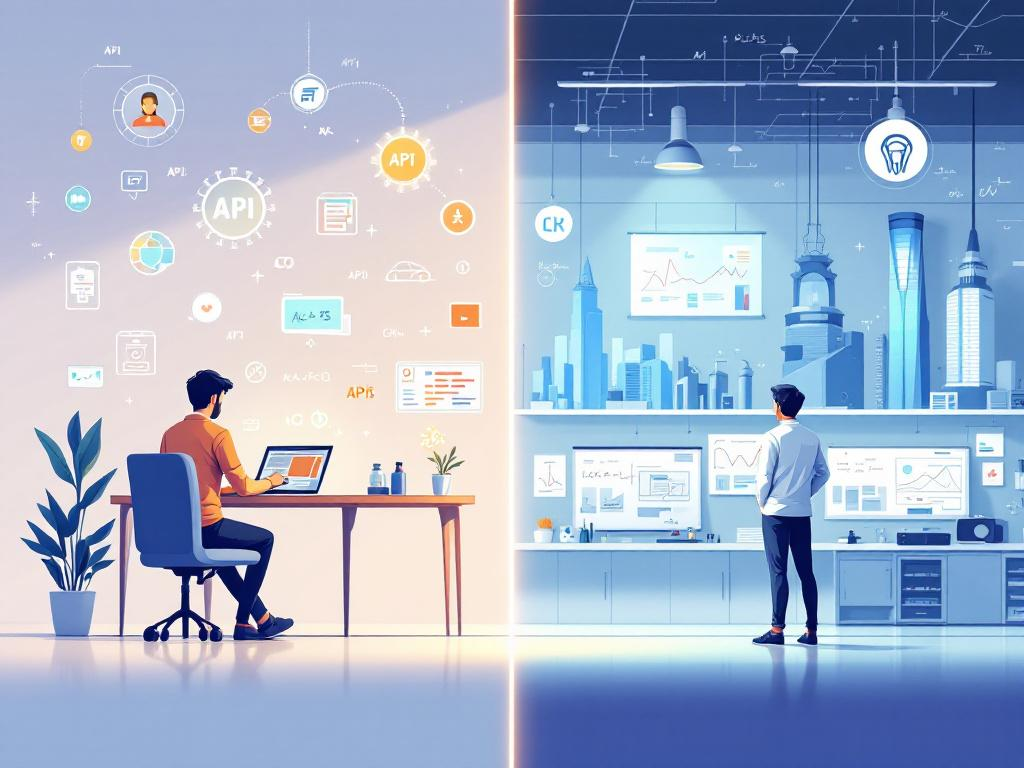
IT is like an API between knowledge fields. It helps us build, automate, and connect, but it’s not the end product. The real goals are tangible innovations:
Faster, safer cars
Taller, smarter buildings
Cheaper, sustainable food
New medicines and treatments
When AI gives an answer, who verifies it? When math contradicts physics, who resolves it? You need a deep understanding of engineering, physics, and math to validate, innovate, and lead.
IT is a helper, not the destination.
2. Quantum Computing: The Isolation Problem
Quantum computers are incredibly powerful—but they’re also incredibly fragile. They require:
Absolute isolation from vibrations
No radiation interference (Wi-Fi, light, mobile signals)
Stable temperatures (near absolute zero)
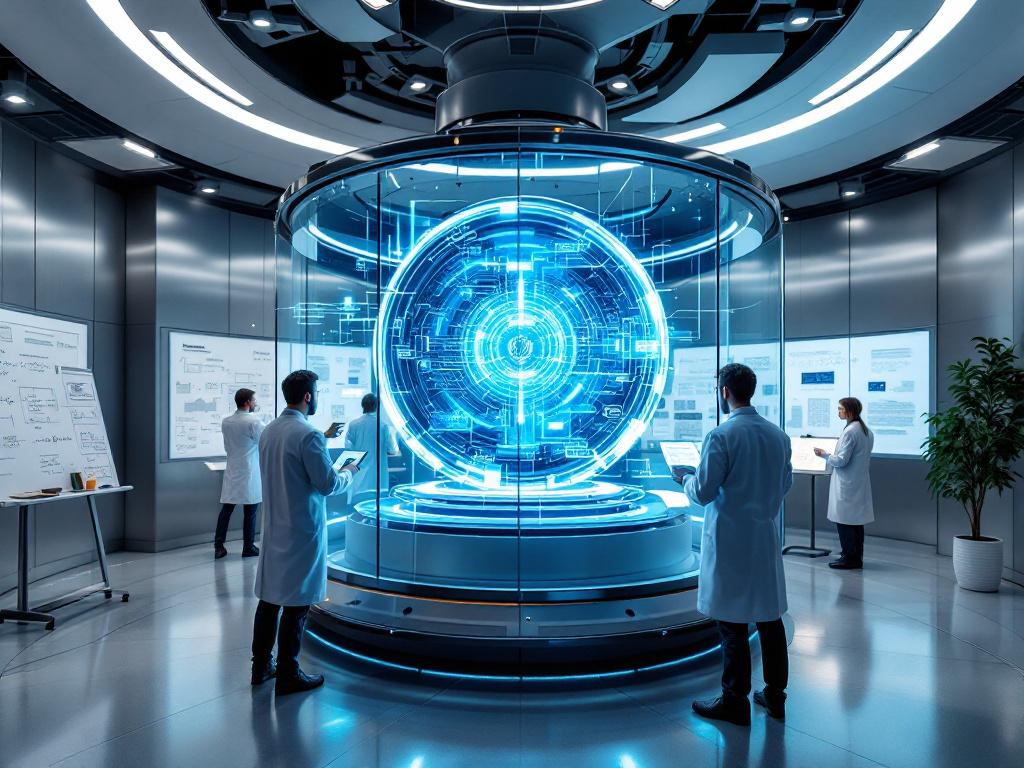
Your home, office, or even a data center is a hostile environment for quantum computers. Unless we invent a way to shield them from the real world, quantum computing will remain confined to labs, solving specialized problems for years to come.
3. Study Math and Physics to Solve Real Problems
Don’t study physics and math just for quantum’s sake. Study them to think critically, model the world, and apply technology to real challenges.
The future belongs to those who can bridge theory and practice—who see quantum, AI, or IT as tools to build, not just buzzwords to chase.
Conclusion: Focus on the Fundamentals
The next generation of innovators won’t just write code—they’ll design the systems that change how we live. If you want to lead, focus on math, physics, and engineering. The rest will follow.
What do you think? Are we overhyping IT and quantum computing, or is the shift to core sciences the right call? Share your thoughts in the comments!

Join Mohammad ASAAD on Peerlist!
Join amazing folks like Mohammad ASAAD and thousands of other builders on Peerlist.
0
7
0