

Why Your SEO Isn't Working - And How Backlinks Fix It
Most SEO guides teach you how to optimize your site. Nobody teaches you how to get the internet to notice it.

Rohan sat in his small rented room. One tab open on Google, another on his analytics dashboard. Chai going cold.
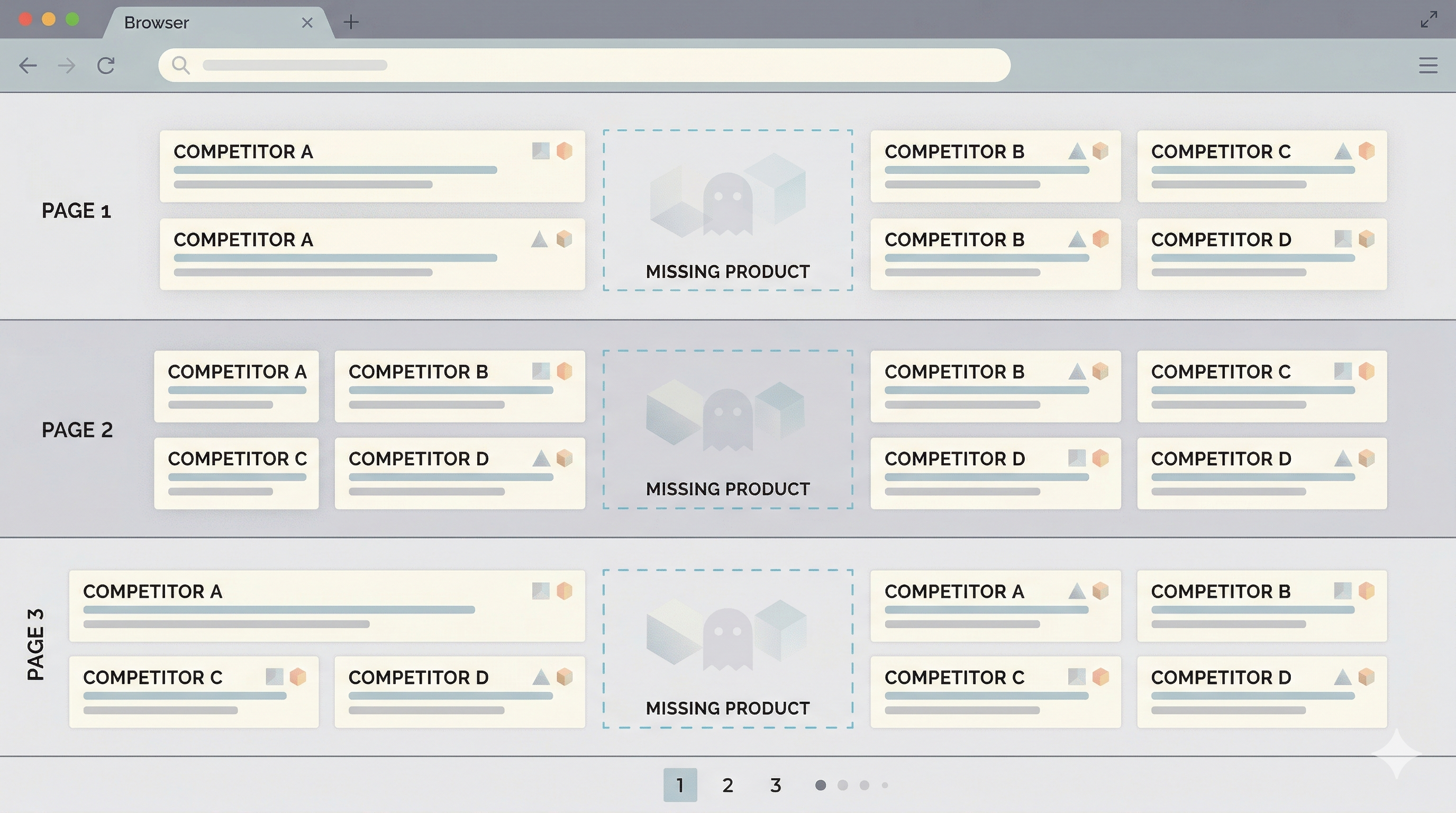
He typed his product name into search. Page one. Page two. Page three.
Nothing.
Seven months of work. Clean product. Real problem solved. But on the internet — he didn’t exist.
“Maybe building isn’t the hard part. Getting found is.”
If you’ve ever shipped something and felt that silence, this is for you.
Why Your “SEO-Ready” Site Still Isn’t Ranking
Like most founders, Rohan did everything the guides told him to do:
(✓) Fixed page speed and Core Web Vitals
(✓) Added target keywords to titles and meta descriptions
(✓) Published SEO blog posts regularly
(✓) Cleaned up heading structure and internal links
Everything looked right. Yet: no rankings. No organic traffic. No movement.
The core problem: SEO is not just about optimizing your website. It’s about earning trust and attention from the rest of the internet.
On-page SEO is table stakes — necessary, but nowhere near sufficient. Google doesn’t rank websites in isolation. It ranks them in the context of everything pointing at them.
What a Backlink Is — and Why Google Treats It Like a Vote of Trust

A backlink is simply another website linking to yours. That's it. But the signal it sends? That's where the power lies.
When a relevant, credible website links to your product, it's essentially casting a vote: this thing exists, and it's worth knowing about. Google's original PageRank algorithm was built entirely on this insight - that links between pages are a proxy for trust and relevance.
Rohan's problem wasn't his on-page SEO. It was that nobody on the internet had vouched for him yet.
Think of backlinks as digital word-of-mouth - signals of credibility that prove you're part of a larger conversation, not just a page sitting alone on a server.
The Common Mistakes Founders Make When Building Backlinks

Once Rohan understood what backlinks were, he did what most people do: he tried to get as many as possible, as fast as possible.
(✗) Mass cold emails to bloggers with zero response rate
(✗) Guest post pitches sent to irrelevant sites
(✗) Directory submissions to low-quality, generic link farms
The result? Either nothing happened, or things got worse. Some of those links were nofollow — meaning they pass no SEO value. Others were from spammy or unrelated domains, which can actively harm your rankings.
This is where most early-stage founders quit. Because the first few backlinks are genuinely the hardest to earn — and doing it wrong makes them feel impossible.
Why Backlink Quality Always Beats Quantity

At one point, Rohan had collected dozens of links. Directories, comment sections, random blogs that would accept anything. And nothing changed in his rankings.
That's because Google doesn't just count links. It understands context. A link from a SaaS review blog is worth exponentially more than a link from an unrelated lifestyle site — even if the lifestyle site has more traffic.
High-value backlinks
Tech & startup publications
SaaS review platforms
Product launch sites (dofollow)
Niche newsletters with a website
Tools/resource pages in your category
Low-value / harmful links
Generic link directories
Unrelated niche blogs
Comment spam links
PBNs (private blog networks)
Sites with no organic traffic
The rule is simple: relevance over quantity, always. Three backlinks from the right places will outperform three hundred from the wrong ones.
A Practical Strategy to Get Your First Real Backlinks
Here's what actually started moving Rohan's rankings — and what you can replicate today.
List your product on launch platforms
Sites like Product Hunt, BetaList, and product directories give you a clean dofollow backlink from a high-authority domain. It's free, it's relevant, and it works.
Find "tools" or "resources" pages in your niche
Search: "best tools for [your category]" site:*.com. Email the site owners with a short, genuine pitch. These pages exist to be updated — you're doing them a favor.
Write content other sites want to link to
Original data, case studies, or genuinely useful guides attract natural backlinks. "We analyzed 100 SaaS landing pages" gets cited. "5 tips for better SEO" does not.
Get listed in product databases and directories
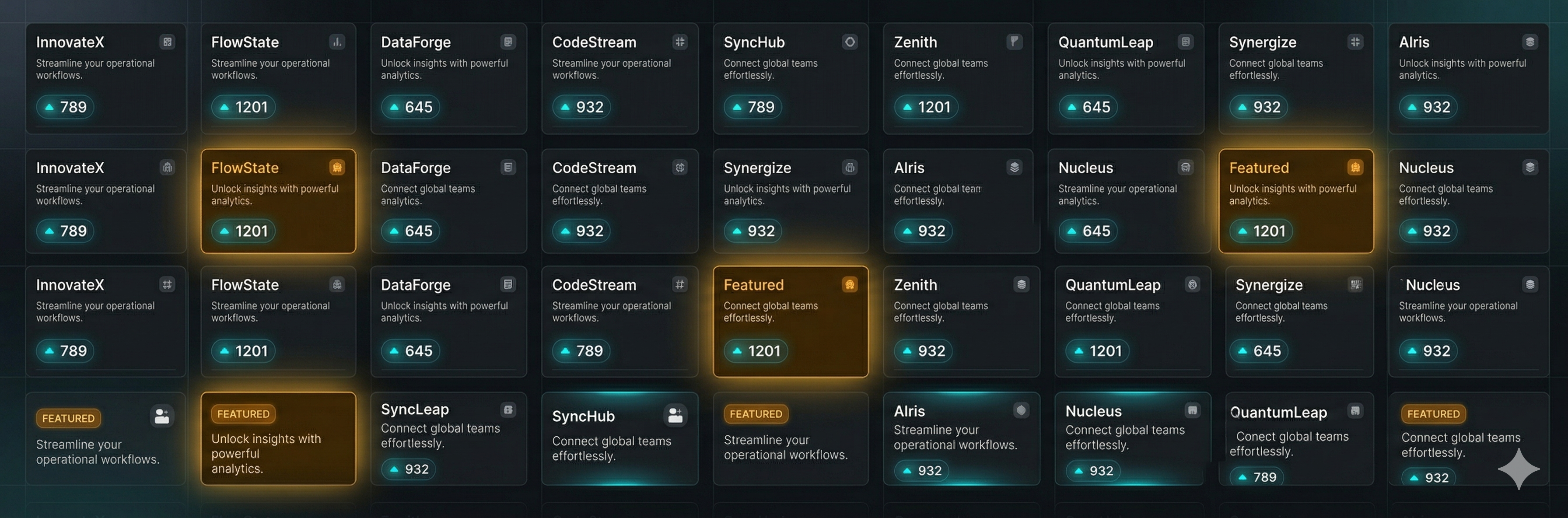
There are curated product discovery platforms — like marketingdb.live — that exist specifically to help new products get found. A listing gets you visibility, user feedback, and a contextually relevant backlink in one move.
Build relationships before you need them
Comment thoughtfully on blogs in your niche. Be genuinely helpful in communities. When you eventually reach out for a link or mention, you're not a stranger.
How SEO Compounds — And When It Finally Clicks
Rohan didn't suddenly get hundreds of backlinks. He got a few real ones — relevant, clean, dofollow, from places where his product actually made sense to be.
And slowly, something shifted:
→ Google started indexing his pages properly
→ Rankings crept up, a few positions at a time
→ Real users started discovering the product organically
→ Some of those users shared it — creating new backlinks naturally
That's the compounding effect of SEO people talk about. It doesn't feel like much at the start. But once the flywheel starts turning, each link makes the next one easier to earn.
SEO is slow - until it isn't. The founders who win aren't the ones who found a shortcut. They're the ones who kept building consistently while everyone else gave up.
Rohan didn't go viral. No overnight spike. No sudden burst. Just slow, deliberate, compounding growth that started the moment he stopped asking "how do I optimize my site?" and started asking "where does my site belong on the internet?"
That’s why i build a healthy platform for builders
List your product on marketingdb.live and get visibility, honest feedback, and a relevant SEO backlink from a growing product discovery platform.

Join Mohd on Peerlist!
Join amazing folks like Mohd and thousands of other builders on Peerlist.
1
4
0