

What is Musculoskeletal Health?
Musculoskeletal Health?
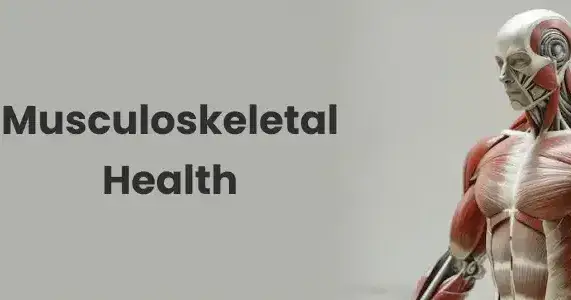
Musculoskeletal health refers to the proper functioning and overall well-being of the body, which includes muscles, bones, joints, tendons, ligaments, and connective tissues that make up the human body. This not only provides structural support but also enables movement and protects vital organs. When the musculoskeletal system is strong and healthy, one can enjoy free movement, independence, confidence, and a high quality of life to live. Conversely, when it is ignored, it could make the simple daily activities - such as walking, lifting, sitting, or bending even more painful.
The World Health Organization (WHO) recognizes musculoskeletal conditions as one of the leading contributors to disability worldwide, affecting hundreds of millions of people across the globe. Understanding musculoskeletal health is therefore very crucial for not only prevention but also management and long-term well-being.
Components of the Musculoskeletal System
To appreciate musculoskeletal health, you should understand the key components that would make up this system:
Bones
The skeleton of the body consists of 206 bones in adults.
They not only provide the structure but also protect internal organs and act as a reservoir for minerals such as calcium and phosphorus.
Bone health is very important to prevent fractures, osteoporosis, and deformities.
Muscles
More than 600 skeletal muscles allow voluntary movement.
They also help maintain posture, generate heat, and support blood circulation.
Muscle strength and flexibility play a major role in injury prevention.
Joints
Points where bones meet, allowing motion and flexibility.
They could be immovable (skull sutures), some of them could be slightly movable (spine), or they could be freely movable (knee, shoulder, hip).
Healthy joints ensure you have smooth, pain-free mobility.
Tendons and Ligaments
Tendons connect muscles to bones, transmitting the force needed for movement.
Ligaments connect bones to other bones, stabilizing joints.
Tissues are fragile; injuries to these connective tissues can severely limit mobility.
Cartilage
A smooth, flexible tissue that cushions joints and absorbs shock more smoothly.
It prevents bones from connecting directly against each other, which prevents the bones from rubbing.
Damage to cartilage can lead to osteoarthritis and chronic pain.
Together, these components form a healthy system that allows humans to move, work, and perform daily tasks.
Why Musculoskeletal Health Matters
Maintaining musculoskeletal health is not just about preventing injury. It influences multiple dimensions of life, including:
Mobility and independence: Healthy individuals can maintain an active lifestyle well into old age.
Work capacity: Many professions require physical strength, endurance, and flexibility. Poor musculoskeletal health may have a detrimental effect on one's productivity, which can also result in subpar performance at work.
Chronic illness prevention: Having strong bones and muscles improves cardiovascular health, reduces the chance of obesity, and regulates metabolism.
Mental health: Exercise, which is closely linked to reduced levels of stress, anxiety, and depression, requires a healthy musculoskeletal system.
Healthy aging: Preventing conditions like osteoporosis and sarcopenia, or age-related muscle loss, ensures a higher quality of life in later years.
Common Musculoskeletal Conditions
Musculoskeletal health can be compromised due to many factors. Some of the most prevalent include:
Osteoarthritis
A degenerative joint disease caused by the breakdown of cartilage.
Leads to stiffness, swelling, and pain in joints such as the knees, hips, and hands.
Risk factors include age, obesity, previous joint injuries, and genetics.
Osteoporosis
A condition characterized by reduced bone density eventually makes the bones fragile and prone to fractures.
It is common in women post-menopause due to hormonal changes.
Prevention includes adequate calcium, vitamin D, and weight-bearing exercises.
Back and Neck Pain
Back and neck pain are among the most common causes of disability globally.
Often caused bypoor posture, sedentary lifestyles, or occupational strain.
It could even result from herniated discs, spinal degeneration, or muscular imbalances.
Rheumatoid Arthritis (RA)
An autoimmune condition where the immune system attacks joint tissues.
Causes pain, swelling, and potential deformities.
Requires medical management and lifestyle modifications.
Tendonitis and Bursitis
Inflammation of tendons or bursae (small fluid-filled sacs near joints).
Often caused by repetitive movements or overuse.
Common in athletes and workers with repetitive tasks.
Sports and Occupational Injuries
Sprains, strains, fractures, and dislocations can result from accidents or overexertion.
Proper training, ergonomics, and safety precautions can minimize risk.
Risk Factors Affecting Musculoskeletal Health
Several factors influence musculoskeletal health, either positively or negatively:
Age – Bone density peaks in early adulthood and declines with age, increasing the chances for getting injured.
Physical inactivity – Sedentary lifestyles weaken muscles and reduce joint flexibility.
Poor nutrition – Lack of calcium, vitamin D, and protein undermines bone and muscle strength.
Obesity – Extra body weight puts pressure on joints, particularly knees and hips.
Occupation – Jobs involving heavy lifting, repetitive motion, or sitting for long hours can lead to chronic musculoskeletal disorders.
Genetics – Family history can predispose individuals to conditions like osteoporosis and arthritis.
Injuries – Previous injuries can increase susceptibility to future musculoskeletal issues that are very harmful.
How to Maintain Musculoskeletal Health
Promoting musculoskeletal health involves adopting lifestyle habits, preventive care, and medical management when necessary. Below are key strategies:
1. Nutrition for Strong Bones and Muscles
Calcium
Vitamin D
Protein
Magnesium, phosphorus, and vitamin K
Balanced diet
2. Regular Physical Activity
Weight-bearing exercises
Resistance training
Flexibility and balance training
3. Proper Posture and Ergonomics
Maintain correct posture while sitting, standing, or lifting.
Use ergonomic chairs, desks, and supportive footwear.
Take frequent breaks to stretch if working long hours at a desk.
4. Injury Prevention
Warm up before exercise and cool down afterward.
Use protective equipment in sports.
Avoid overtraining by allowing adequate recovery time.
Practice safe lifting techniques to protect the back.
5. Regular Health Check-Ups
Bone density screenings (DEXA scans) for osteoporosis risk.
Medical evaluation for persistent joint or muscle pain.
Early intervention for conditions like arthritis can slow progression.
6. Weight Management
Maintaining a healthy body weight reduces stress on load-bearing joints.
Prevents obesity-related inflammation that contributes to musculoskeletal conditions.
Musculoskeletal Health Across the Lifespan
Children and Adolescents
Childhood is crucial for building strong bones and developing muscle mass.
Adequate calcium, vitamin D, and physical activity are key.
Adults
Adults should be focusing on maintaining bone density and muscle strength through exercise and nutrition.
Address work-related risk factors like poor posture or repetitive strain.
Older Adults
Prioritize fall prevention, joint care, and maintaining independence.
Activities like walking, swimming, and strength training help slow age-related decline.
The Role of Mental Health in Musculoskeletal Wellness
Interestingly, musculoskeletal health and mental health are deeply dependent on each other. Sudden chronic pain from musculoskeletal conditions can lead to anxiety, depression, and reduced social engagement. On the other hand, stress and poor mental health can worsen pain perception and limit physical activity, creating a vicious cycle. Practices such as mindfulness, relaxation techniques, and social support can complement physical care.
The Future of Musculoskeletal Health
As time goes on, with an aging global population and more sedentary lifestyles, musculoskeletal conditions are expected to rise. However, many advances in medical research, including regenerative medicine, stem cell therapy, minimally invasive surgeries, and smart wearable devices, not only offer you hope for improved prevention but also treatment. Many public health initiatives promote physical activity, and workplace ergonomics and early screening will also play a critical role in reducing the burden and the pain.
Conclusion
Musculoskeletal health is the keystone of physical independence, productivity, health, and overall well-being. It has a hold of the bones, muscles, joints, and connective tissues that allow us to move, work, and go on with basic daily activities. By prioritizing oneself with nutrition, exercise, avoiding injuries, and early medical checkups, individuals can maintain a strong musculoskeletal system throughout their life by keeping a few points in mind. As awareness grows, so too will opportunities to prevent and manage musculoskeletal disorders, ensuring healthier and more active populations worldwide.

Join Gulshan on Peerlist!
Join amazing folks like Gulshan and thousands of other builders on Peerlist.
0
0
0