

AI Ethics in the Software Development Lifecycle: From Code to Consequence

Artificial Intelligence is reshaping our world. It powers tools that recommend what we watch, detect fraud before it happens, accelerate medical research, and even write code.
But AI does not just solve problems. It can also create them.
When AI systems make decisions, they affect real lives.
A hiring algorithm could silently filter out a qualified candidate.
A predictive policing tool could focus attention unfairly on certain communities.
A credit scoring model could reinforce financial exclusion.
If AI is the engine of the future, ethics is the steering wheel.
Without ethical guidance, innovation risks heading in the wrong direction.
Why AI Ethics Cannot Be Optional
Ethics shapes outcomes by influencing every decision in AI development.
AI ethics is not simply about compliance. It is about fairness, transparency, accountability, and respect for human dignity.
UNESCO’s (United Nations Educational, Scientific and Cultural Organization) Recommendation on the Ethics of Artificial Intelligence urges that these principles be part of AI design from the start. That means asking tough questions before development begins:
Who will benefit from this system?
Who might be harmed?
Can its decision-making be explained to people without technical expertise?
These questions set the tone for everything that follows.
Principles of AI Ethics
Core values: fairness, privacy, transparency, accountability, sustainability.
Ethics in AI involves guiding principles such as fairness, privacy protection, transparent decision-making, accountability for outcomes, and considering long-term impacts.
Bringing Ethics into the SDLC
Ethical considerations should begin at requirements gathering, not after deployment.
Ethics should live in every phase of the Software Development Lifecycle, not as an afterthought but as a constant guide.
1. Planning
This is the moment to identify risks and define the ethical framework. The UK Government’s Understanding AI Ethics and Safety guidance recommends impact assessments to explore possible harms or unintended consequences.
Ask:
Will this system reinforce existing biases?
Could it be misused in harmful ways?
Include ethical success criteria alongside technical performance goals.
2. Design

Design should prioritize human well-being, inclusivity, accessibility, transparency, and privacy.
Design choices shape inclusivity and transparency. An inclusive design process involves diverse stakeholders to avoid blind spots.
Transparency features could include:
Clear explanations of AI decisions
Data provenance tracking
Model interpretability tools
3. Development
Data practices influence fairness, security, and user trust.
During development, the choice of datasets and algorithms can make or break fairness.
Use representative data
Apply bias detection tools
Document every decision for accountability
UNESCO highlights traceability as key concept to maintain an audit trail from concept to code.
4. Testing
Bias must be detected, measured, and mitigated throughout the lifecycle.
Testing should evaluate more than accuracy. Ethical testing involves:
Fairness and bias checks
Privacy compliance
stress-test the system against potential misuse
5. Deployment
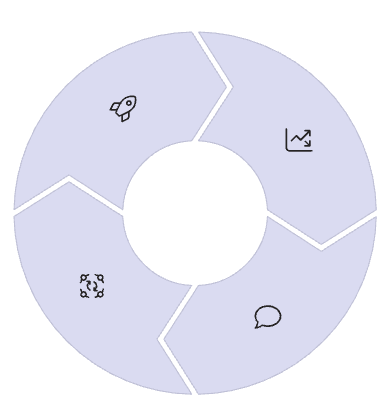
Scenario-based testing can reveal ethical risks before deployment.
Deployment is where AI meets reality. Consider:
Who gets access
Safeguards against misuse
How users are informed and give consent
Prepare for quick interventions if ethical issues arise after launch.
6. Maintenance
Ethics is a continuous process of monitoring, feedback, and improvement.
AI models can drift over time, losing accuracy or fairness. Ongoing monitoring and regular audits are essential. Be willing to update or even retire systems if they no longer meet ethical standards.
Beyond Compliance
Accountability structures ensure ethical principles are upheld.
Ethical AI is not just about following rules. It requires a culture where ethics is valued as much as speed or accuracy. It calls for collaboration between engineers, designers, ethicists, policy experts, and the communities impacted by AI.
Building an Ethical AI Culture
An ethical culture requires leadership, training, open communication, and recognition.
This involves leadership commitment, regular training, open channels for raising concerns, and rewarding ethical decisions.
Tools for AI Ethics in SDLC
Tools like IBMs AI Fairness 360 and Google’s What-If Tool help identify and reduce bias. LIME and SHAP help developers understand and explain AI decision-making processes to stakeholders. Differential privacy tools and federated learning protect sensitive data while enabling effective model training.
These tools can help teams put ethics into practice, from bias detection to explainability and privacy protection.
Final Thought
Technology reflects the values of its creators. Every decision in the AI lifecycle, from planning to maintenance is a chance to protect trust, reduce harm, and ensure technology works for everyone.
As AI becomes embedded in our systems, embedding ethics into the SDLC is not just best practice. It is essential for building a future worth having.
References

Join Olawale on Peerlist!
Join amazing folks like Olawale and thousands of other builders on Peerlist.
2
8
0