

Governance Without Humans? The Ethical Debate Around Diella, the AI Minister
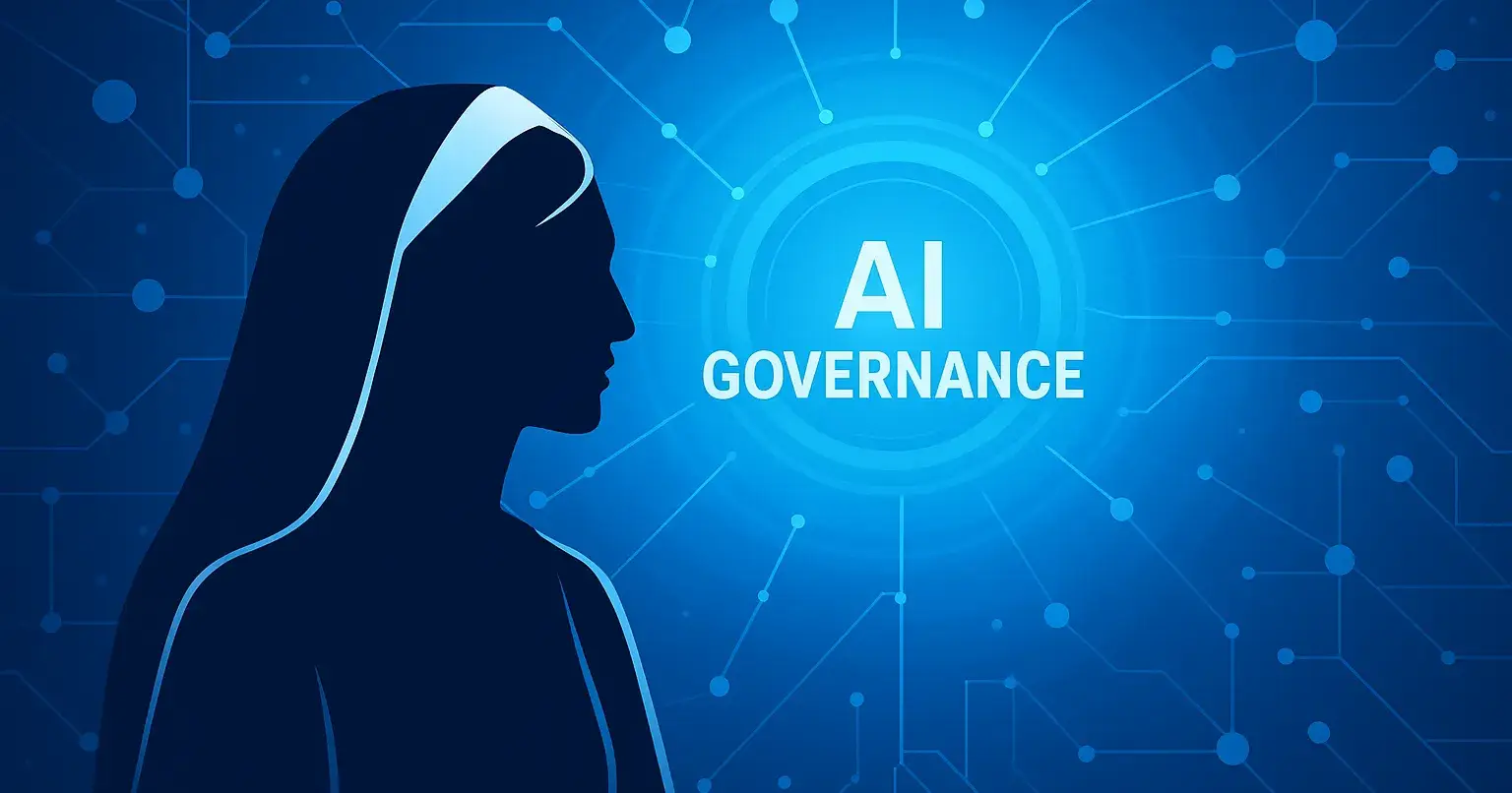
Albania has just made history. Prime Minister Edi Rama recently appointed Diella (the female form of the word for sun in the Albanian language), an AI-powered virtual minister, to oversee public procurement, a sector long plagued by inefficiencies and corruption. The stated ambition: to make procurement “100% corruption-free.”
On paper, this is a bold stroke of digital transformation. In practice, it raises urgent questions about AI ethics, accountability, and the future of governance.
The Promise of Diella
There are compelling reasons why this experiment captures global attention:
A chance at cleaner governance: Procurement scandals often dominate headlines in both developed and developing nations. An incorruptible digital administrator, designed to enforce transparent rules, could in theory remove much of the human discretion that breeds abuse.
Efficiency gains: Diella began life as a virtual assistant, issuing government documents and helping citizens navigate online services. Extending her capabilities into procurement is consistent with Albania’s push to cut red tape, reduce delays, and modernize public administration.
Global first-mover advantage: By branding Diella as the world’s “first AI minister,” Albania positions itself as a trailblazer. Symbolically, this is powerful: it reframes how we imagine digital government, and forces other states to ask what role AI should play in national decision-making.
The Ethical Minefield
But with innovation comes complexity. AI in governance is not neutral; it introduces a new class of risks.
Accountability: When an AI makes or advises on procurement decisions, who carries responsibility for mistakes? If a supplier is unfairly excluded or a decision turns out flawed, is it the prime minister, the AI designers, or the AI itself be held responsible?
Transparency and trust: Without transparency into the algorithm, citizens cannot know how decisions are reached. If Diella operates as a black box, the initiative may erode trust rather than build it.
Bias: AI learns from data. If historical procurement data contains bias, inefficiency, or hidden corruption patterns, the system risks reproducing them, only faster and at scale.
Manipulation and cyber risk: While Diella cannot be bribed, systems can be hacked, influenced, or subtly “trained” in ways that serve hidden interests. In fact, AI ministers may create new vectors for corruption in digital form.
Cultural and political legitimacy: Democracies are built on the principle of human accountability. Even if Diella outperforms human ministers in fairness and efficiency, will citizens feel comfortable being governed even partly by a machine?
Could AI One Day Be Elected?
The boldness of Albania’s prime minister’s move forces us to consider an even bigger question:
Could an AI system one day be elected as a Prime Minister or President?
While this may sound far-fetched, the trajectory is worth pondering. If citizens trust AI to deliver corruption-free governance, efficient administration, and impartial decision-making, some may advocate for AI candidates in democratic contests.
But this raises profound issues:
• Can non-human entities hold democratic legitimacy?
• Who writes the “campaign promises” or “manifesto”? The algorithm, the engineers, or the political parties backing them?
• What happens when the electorate disagrees with an AI’s purely rational decision?
This is no longer a purely technical debate, it touches on the soul of democracy itself.
Closing Thoughts
The prime minister of Albania’s appointment of Diella is more than a headline, it’s a global test case. It could inspire a new generation of AI-powered governance tools that genuinely curb corruption and streamline bureaucracy in many nations across the globe plagued by these issues. Or it could become a cautionary tale about outsourcing political responsibility to machines without adequate safeguards.
Either way, it pushes us to confront difficult questions: What decisions should we entrust to machines? What must remain in human hands? And could we ever ethically, politically, or legally imagine electing an AI leader?
References
Join Olawale on Peerlist!
Join amazing folks like Olawale and thousands of other builders on Peerlist.
0
4
0