

How to open an online ecommerce store
A clear roadmap for businesses planning to start an online store and build long-term digital sales.
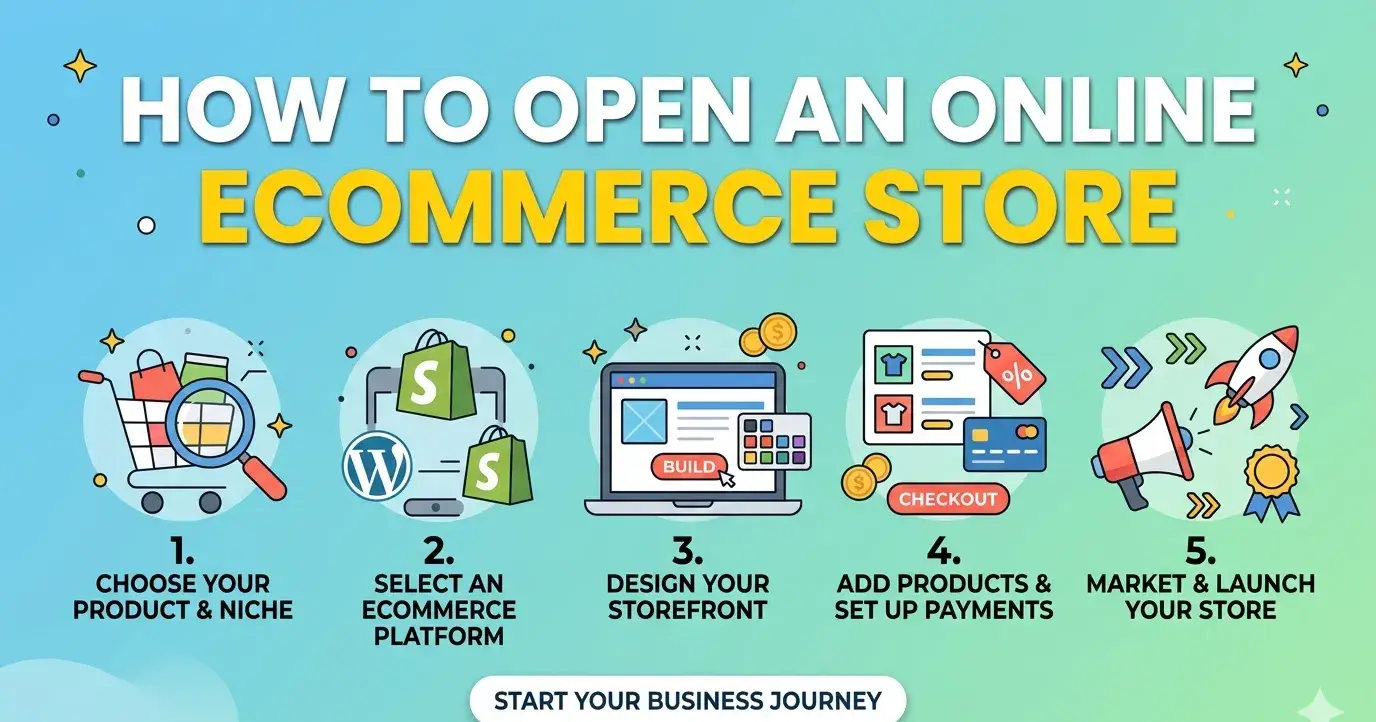
Content Summary: The article provides a detailed guide on launching an online ecommerce store, covering planning, setup steps, essential features, business benefits via a comparison table, marketing advice, and ongoing maintenance strategies for sustained growth.
Many businesses now sell products directly to customers through websites. An online store removes limits of physical shops and opens doors to buyers around the world. Owners can work from any location and keep sales active day and night. This setup fits small teams as well as growing companies in different industries.
A Clear Beginning
The process starts with clear planning. Define the product offerings and the target market. The features that customers desire the most can be found through research. Define your pricing strategy as a way to ensure that you have enough to cover your costs while also making a profit. Your business plan serves as a roadmap for all the other decisions in your business, and it helps you avoid many of the common pitfalls in running an online store.
Take time to think about the characteristics that make your products unique compared to others already available online. These factors will influence each of your future choices.
Registering A Catchy Name
Next, you will need to pick a business name that is easy to remember. Then, register a domain name with your company name. The domain name will be the primary link that all of your customers will enter in their web browser. First check if the name is available.
Second, ensure the name is flexible enough to accommodate your company's future growth needs. Some generic names like .com are often recognized by a wider audience.
Once registered, set up basic email addresses that match the domain. Professional emails build trust right away.
List Your Product
Build a list of products with clear details. Take good photos and write short descriptions that explain features and benefits. Organize your products by category so it is easier for visitors to locate them quickly. It will help buyers make informed purchasing decisions when they have accurate information about your product.
Provide as much information as possible to your buyer such as a size chart for clothing or fabric notes or how best to take care of your item. These extras reduce returns and increase satisfaction.
Many new owners look for simple tools that handle the technical side. The Easiest ecommerce builder lets you create pages, add items, and connect payments with basic clicks.
Steps to Set Up Your Store
Several key actions turn a basic idea into a working site. Follow them in order to keep everything smooth.
Pick a platform that matches your skill level and budget.
Add your products with photos and clear prices.
Connect payment options that customers trust.
Set up shipping rules based on weight and location.
Test the full buying process from start to finish.
These steps form the base of a smooth launch. Complete each one before moving to the next. After setup, add pages for about us, contact, and policies. These build credibility and answer common questions early.
Forbes Advisor reports that the global e-commerce market reached 6.3 trillion dollars in 2024. This growth shows strong demand for new online stores across many sectors.
A digital storefront creates the first impression for every visitor. Clean design and fast loading keep people browsing longer. Simple menus guide users to the right items without confusion. Use high-resolution images that load quickly on all devices. Mobile views matter most since many shoppers use phones.
Next, focus on safe transactions. A secure payment gateway protects card details and builds buyer confidence.
Select options which promote the use of popular card and digital wallet services. Using this method will reduce the number of cart abandonment and increase completed sales. Display trust badges near your checkout area to show customers you are trustworthy.
Keep track of items in stock with good tools. Product catalog management helps update prices, add new lines, and remove sold-out goods quickly. Regular checks prevent mistakes that frustrate customers. Set low-stock alerts so you restock before items disappear from the site.
Handle deliveries without delays. A strong order fulfillment process includes clear tracking links and fair return rules. Customers stay happy when packages arrive on time and in good condition. Partner with reliable carriers and offer multiple shipping speeds. Clear communication about timelines cuts complaints.
Forbes notes that by 2027 mobile commerce will make up 62 percent of all online transactions. This trend means stores must work well on phones to capture most sales.
How Your Business Benefits
Opening an online store brings clear gains that show in daily operations and long-term results. The table below lists main parameters, how each one works, and the direct advantages for any business.
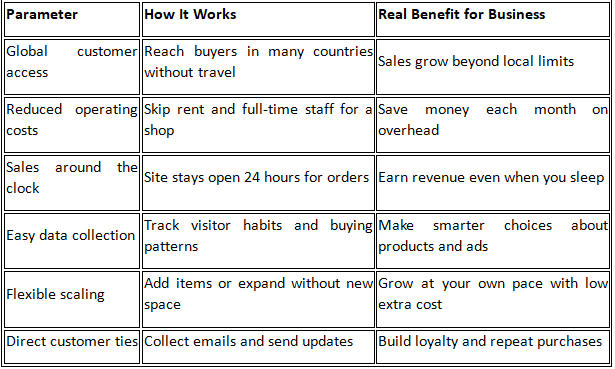
This table shows why many teams move online. Each parameter turns into measurable gains that support steady progress. For example, lower costs let owners invest more in product quality or marketing. Data from site visits reveals popular items and slow sellers. This insight guides inventory decisions and reduces waste.
Use Of Social Media
Use social media postings, email marketing lists, and search tools to attract traffic to your site.Track which methods bring the most orders and adjust as needed. Small product tests allow to figure out which strategies work best for your products. Use free sharing through social media prior to paying for an advertisement.Create a customer email list early so you can inform them about new products arriving or special sales promotions.
Adhering to Laws
Verify the tax and shipping laws in your area before launching your store. Most platforms do the standard math needed to calculate tax and shipping costs.However, make sure you have verified all local laws early to avoid being surprised with higher-than-expected costs at the time of launch. Set fair policies on returns and refunds to match customer expectations.
Constant Sale Monitoring
Monitor site performance each month. Look at visitor numbers, cart abandonment, and sales totals. The little things like faster loading images, clearer call-to-action buttons, etc., can make a big difference in your conversion rates. Look for patterns using the platform's native metrics tools or use one of the many free analytics tools available to you.
Enhance Productivity of Human Resource
Use the resources provided by each platform to train you or your staff on how to keep making those easy, incremental updates to your online store. This will also keep your store looking new and exciting without having to rely on someone else to do it for you. Add promotional offers, swap out banners, and respond to reviews as soon as they come in.
Gradual Approach
A lot of owners begin with just the most important items/products and then continue to add them in as their sales increase.This careful approach reduces risk and builds confidence. Add customer reviews as they come in to show social proof.
Try out the whole purchasing process yourself. Order a test item and measure the time for every part of the process. Before you get too many live customers, make sure that all the slow or unclear parts are fixed. Have some friends test it, take notes on what they say about it, and give you some general ideas about how you can fix it.
Update Product Information
Change the product information frequently. The fresher content you have on your website, the more interesting it will be for your customers and the higher you will rank in search engines over time. Make plans for when you will get slammed by traffic. For example, plan to stock up more items around holidays. Before you begin selling, plan ahead so that you avoid losing customers due to a misunderstanding about how long it takes to receive their order.
Conclusions
The well-planned on-line store is a proven means of growth in your business. Services from providers such as Originate Soft have supported many teams through smooth setups and steady support, according to general industry observations. Follow the steps, use the table as a guide, and watch your store turn visitors into regular buyers. The process takes effort but opens lasting opportunities in the ecommerce industry.
Be patient. Track your progress and keep improving. Over many months, you can grow your success as more people become aware of and trust your website.

Join Asim on Peerlist!
Join amazing folks like Asim and thousands of other builders on Peerlist.
0
4
0