

The Cold Start Problem: Why Most Classified Websites Don’t Get Users
Launching is easy, but without real activity, even the best platforms stay invisible
The Real Challenge Starts after Launch
Building a classified website is no longer a difficult task. With today’s tools and frameworks, almost any founder can launch a platform within weeks. The real challenge, however, begins after the website goes live. This is the stage where expectations and reality start to differ.
Most founders assume that once the platform is available online, users will gradually discover it, listings will increase, and the system will start working on its own. But in practice, this does not happen. The website remains inactive, user engagement is almost zero, and even the initial traffic fails to convert into meaningful activity.
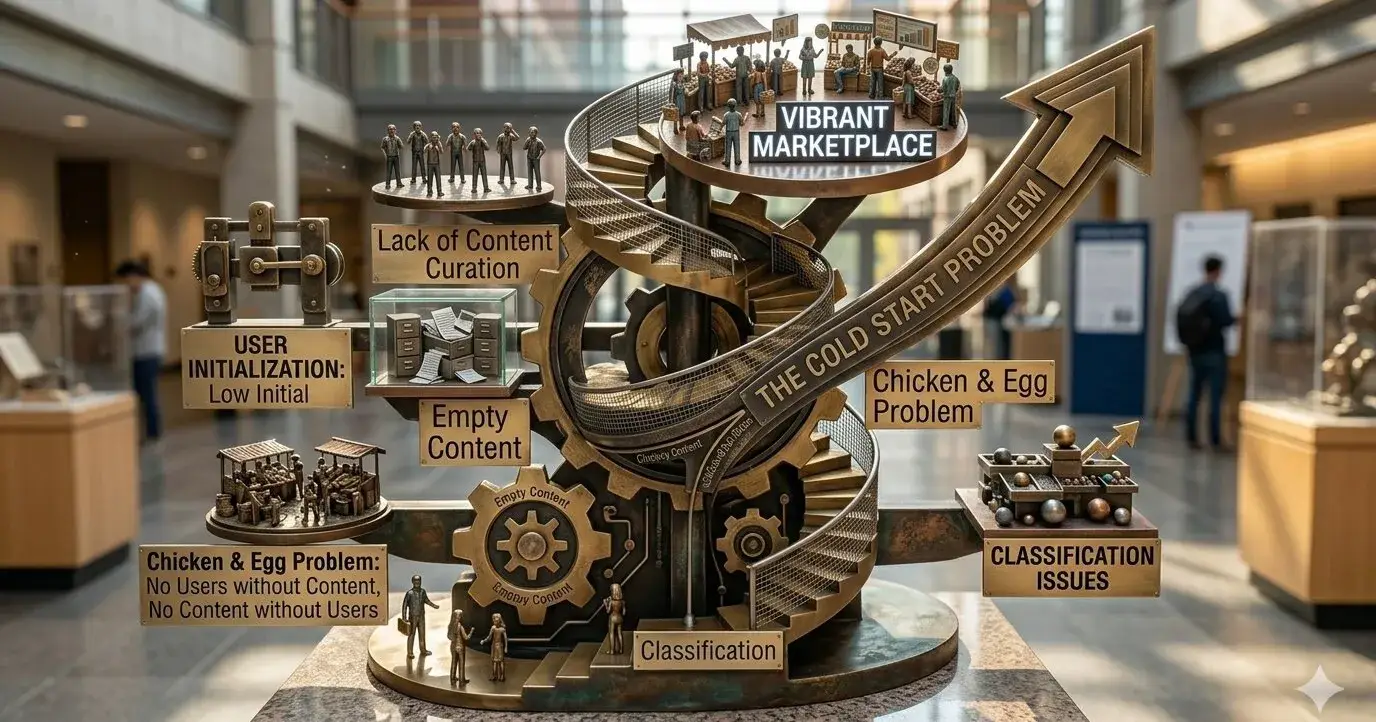
This gap between launching a platform and getting real users is not accidental. It is a structural issue known as the cold start problem, and it is one of the main reasons why classified websites struggle to grow in their early stage.
Why a Classified Website without Activity Fails Immediately
A classified platform is entirely dependent on user-generated content. Unlike blogs or service websites, where the owner can create value through content or offerings, a classified website depends on continuous interaction between users. If that interaction is missing, the platform loses its purpose.
When a new visitor lands on a classified website and sees only a handful of listings, the platform appears inactive. From a user’s perspective, an inactive platform is not worth exploring further. This decision happens within seconds and does not depend on how well the website is built.
The key issue here is perception. Even if the platform is technically sound, users judge it based on visible activity. If the activity is low, they assume the platform is not useful, and they leave without engaging.
The Core Reason: No One Wants to Be the First User
One of the most important behavioral factors behind this problem is user hesitation. People generally prefer platforms where others are already active. They want proof that the system works before they invest their time or effort.
For a seller, posting a listing on a new platform feels risky if there are no buyers. It raises questions about visibility and response. For a buyer, browsing a platform with very few listings feels like a waste of time. It creates doubt about whether they will find anything useful.
This creates a situation where both sides wait for the other. Sellers wait for buyers, and buyers wait for listings. As a result, the platform fails to generate momentum.
Why Early Traffic Does Not Translate Into Users
Many founders try to solve this problem by bringing traffic through SEO or paid ads. While this can increase the number of visitors, it does not guarantee engagement.
When users arrive on a classified website, they are not looking for information. They are looking for options. If they do not find enough listings or relevant choices, they leave immediately. This means that traffic without content does not create value.
From a practical standpoint, this is why many platforms show decent visitor numbers but still fail to generate enquiries or listings. The issue is not traffic volume, but the lack of meaningful interaction once users arrive.
Why Technology Is Often Overestimated
There is a common belief that using advanced tools or launching with a ready-made Classified website solution will give a strong advantage in the early stage. While such solutions help in building and managing the platform efficiently, they do not address the core challenge of user behavior. Yes, it is obvious a good classified script always address the challenge of user behavior.
A classified website is not a product that succeeds purely on features. It is an ecosystem that depends on participation. No matter how well the platform is built, it cannot function without active users.
This is why many technically strong platforms fail while simpler ones succeed. The difference is not in the code, but in how effectively they generate early activity.
The Problem with Broad and Unfocused Platforms
Another major reason classified websites fail to attract users is the lack of focus. Many founders attempt to build a general platform that covers multiple categories from the beginning. While this approach seems scalable, it creates a weak starting point.
When listings are spread across too many categories, each category ends up looking empty. This reduces user confidence and makes the platform appear underdeveloped.
From a user’s perspective, it is better to see a platform with strong activity in one category than weak activity across many. Focus creates depth, and depth creates engagement.
Why Initial Content Must Be Created Manually
In the early stage, expecting users to populate the platform on their own is unrealistic. Without visible activity, there is no incentive for them to contribute.
This is why successful platforms often begin by adding listings manually or through direct partnerships. This approach helps create the initial layer of content that makes the platform look functional.
From an operational point of view, this step is not just about filling the site with listings. It is about setting a standard for quality, structure, and relevance. When new users see well-presented listings, they are more likely to trust the platform and participate.
The Importance of Local Relevance in User Decision Making
Classified platforms are inherently local in nature. Users typically search for products or services within a specific geographic area. If a platform fails to reflect this, it loses its practical value.
When users encounter listings from unrelated locations, it creates confusion and reduces engagement. On the other hand, a platform that focuses on a specific city or region feels more relevant and usable.
Local relevance also strengthens trust. It gives users the impression that the platform is active within their community, which increases the likelihood of interaction.
Why Trust Is a Deciding Factor in Early Growth
Trust is one of the most overlooked aspects of classified platforms. In the absence of brand recognition, users rely on visible signals to decide whether a platform is reliable.
These signals include:
The quality of listings
The presence of real images
Clear and complete information
Signs of recent activity
Without these elements, users hesitate to engage. Even if they are interested, they may avoid taking action due to uncertainty.
Building trust is not a one-time effort. It is a gradual process that starts with creating a platform that feels active and genuine.
Why Growth Requires Manual Effort in the Beginning
One of the biggest misconceptions is that growth will happen automatically once the website is live. In reality, early growth requires consistent manual effort.
This includes reaching out to initial users, promoting listings in local communities, and actively encouraging participation. These actions may not scale, but they are essential in creating the first layer of activity.
From experience, platforms that invest time in this stage are more likely to overcome the cold start problem. Those that rely only on passive growth methods often remain stagnant.
Key Takeaways
The reasons why classified websites fail to get users are practical and predictable:
The platform appears empty due to lack of listings
Users hesitate to engage without visible activity
Traffic does not convert without meaningful content
Technology alone cannot drive user adoption
Lack of focus reduces perceived value
Trust is missing in the early stage
Understanding these factors helps in approaching the problem more realistically.
Conclusion: Activity Is the Real Starting Point
A classified website does not succeed because it is launched. It succeeds when it becomes active.
The cold start problem is not a temporary issue; it is a fundamental challenge that needs to be addressed deliberately. Founders who recognize this early can focus on building activity, trust, and relevance instead of relying only on features or traffic.
The key shift in thinking is simple but important. Instead of asking how to build a platform, the better question is how to make it useful from the first day.
That is what ultimately determines whether a classified website grows or remains unnoticed.

Join Asim on Peerlist!
Join amazing folks like Asim and thousands of other builders on Peerlist.
0
3
0